
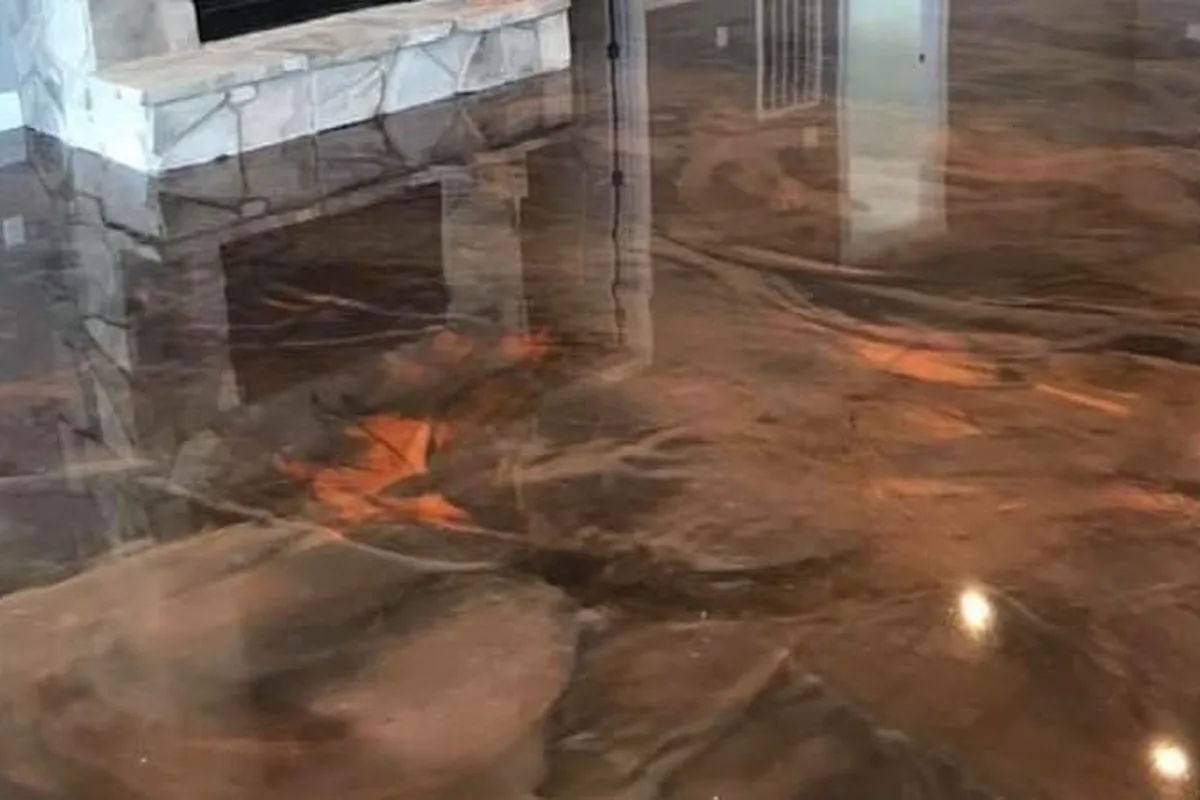
Decorative interior focus
Metallic Epoxy Flooring
Use for selected interiors where one-off colour movement is wanted and natural pattern variation is accepted.
Review the full service scope →Metallic Epoxy Flooring and epoxy flooring in Maribyrnong 3032, with grinding, repairs and system selection matched to the floor’s actual use.
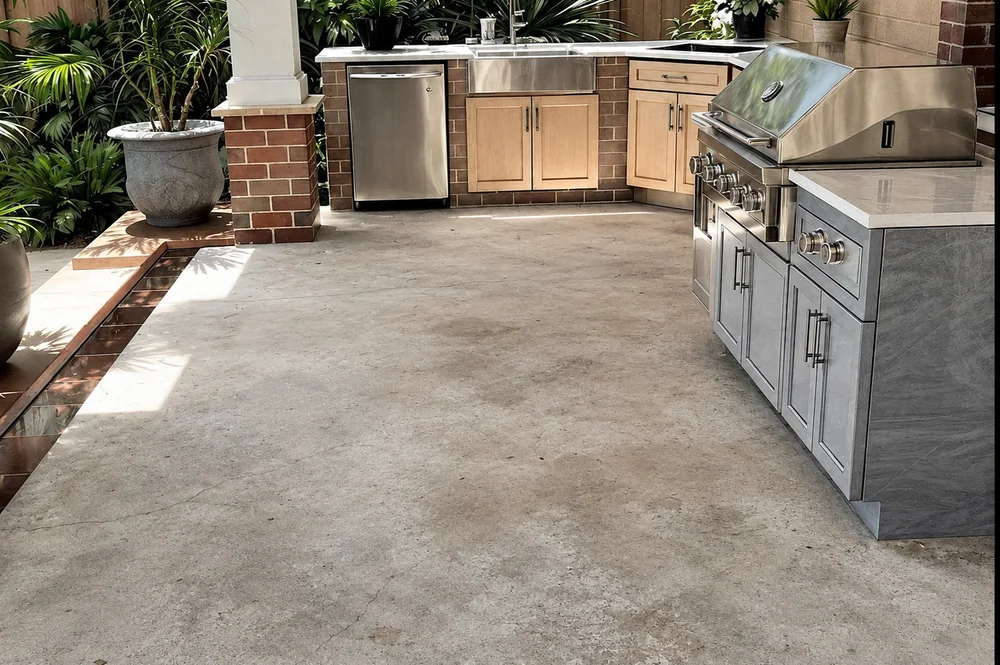
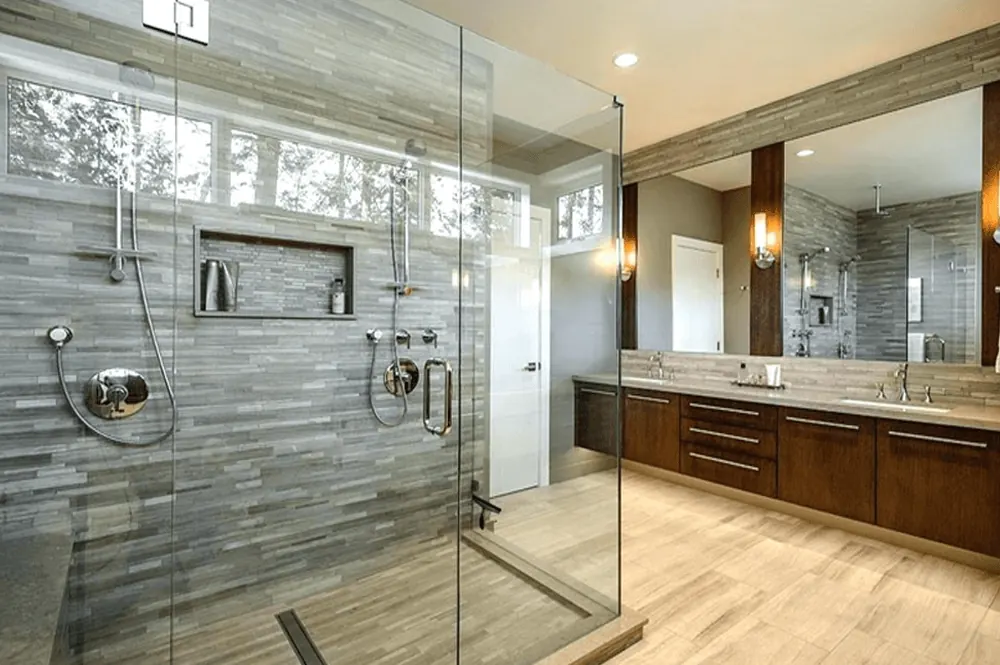
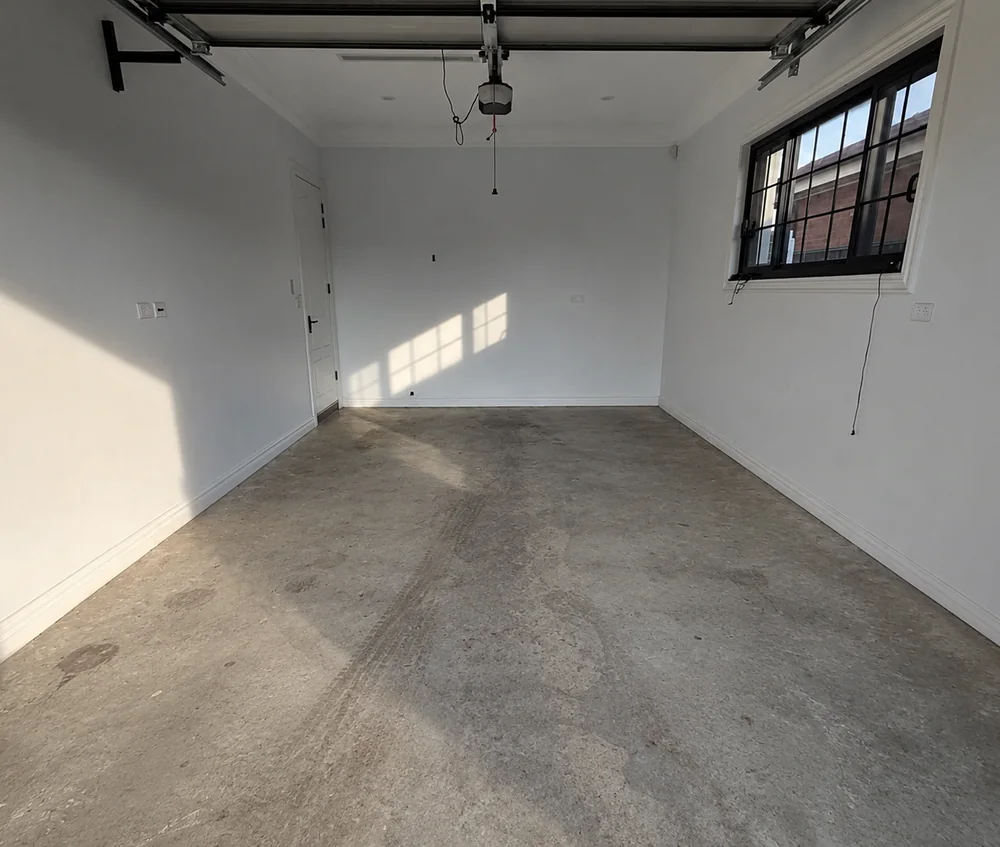

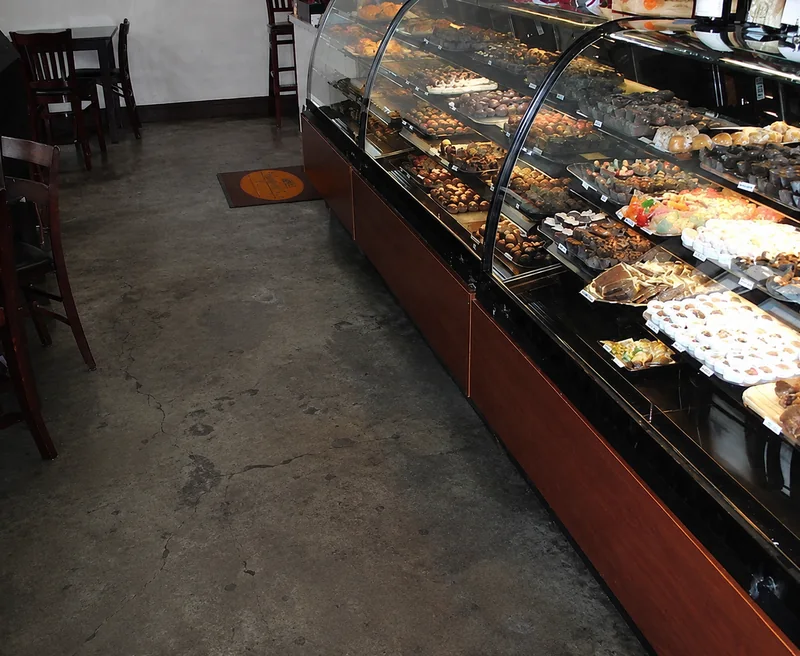


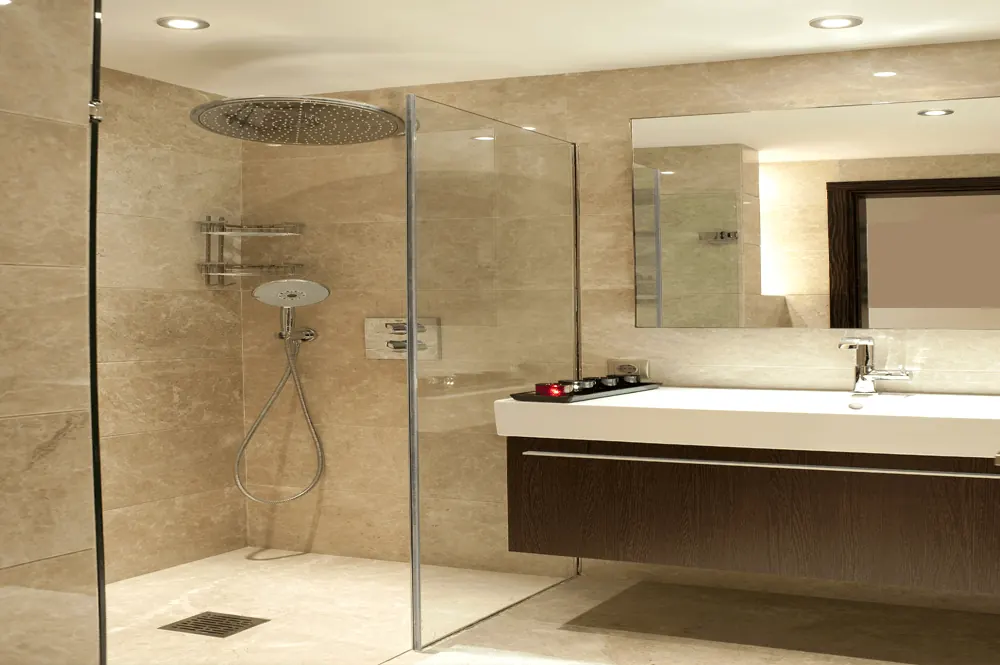
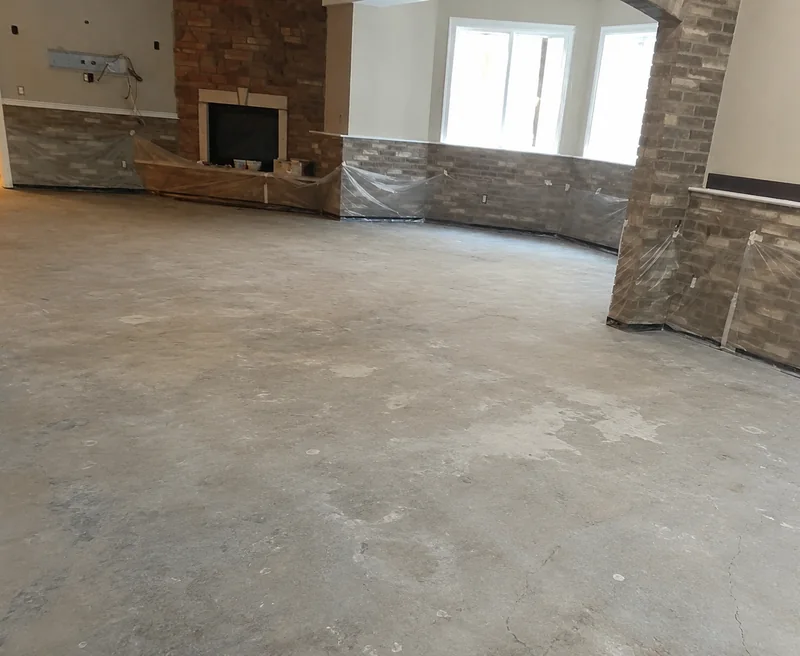

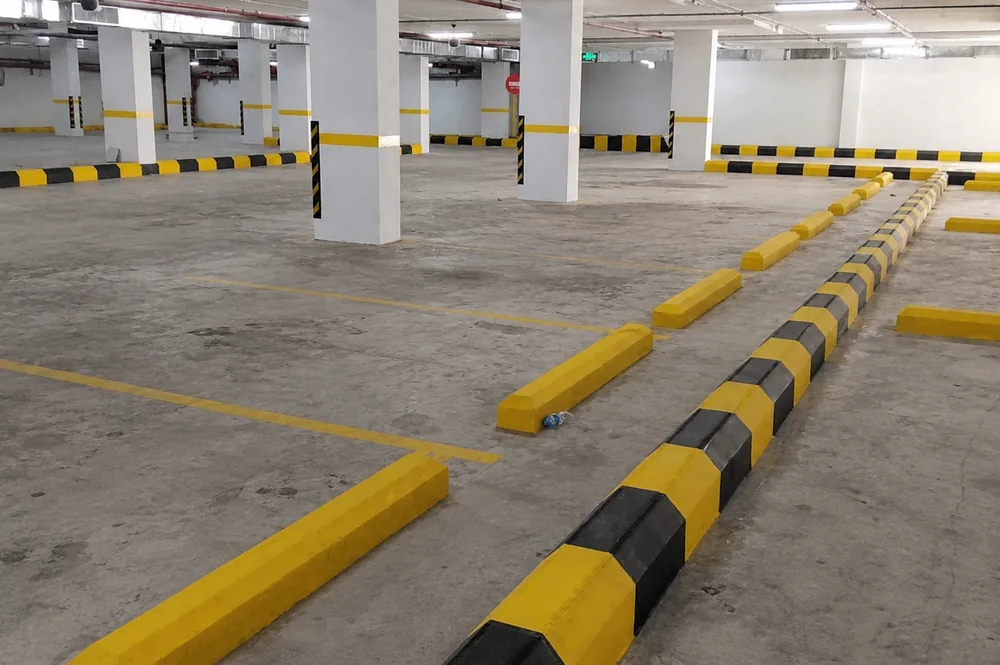

The specification emphasis is appearance, lighting, colour movement, surface flatness, gloss level and day-to-day marking.
The service area covers Maribyrnong 3032, positioned about 8 km north-west of Melbourne’s centre within Inner Melbourne. Within the inner-city band, planning commonly centres on restricted access, shared buildings, ventilation and short operating windows.
The closest surrounding service areas are Maidstone, Aberfeldie and Ascot Vale, allowing nearby inspections to be grouped where scheduling permits.
| Postcode | 3032 |
|---|---|
| Melbourne position | Approximately 8 km north-west of the CBD |
| Regional group | Inner Melbourne |
| Primary scope | Decorative interior focus |
| Nearest linked areas | Maidstone, Aberfeldie, Ascot Vale |
For this location profile, the initial comparison centres on Metallic Epoxy Flooring, Residential Epoxy Flooring and Flake Epoxy Flooring.
Use for selected interiors where one-off colour movement is wanted and natural pattern variation is accepted.
Review the full service scope →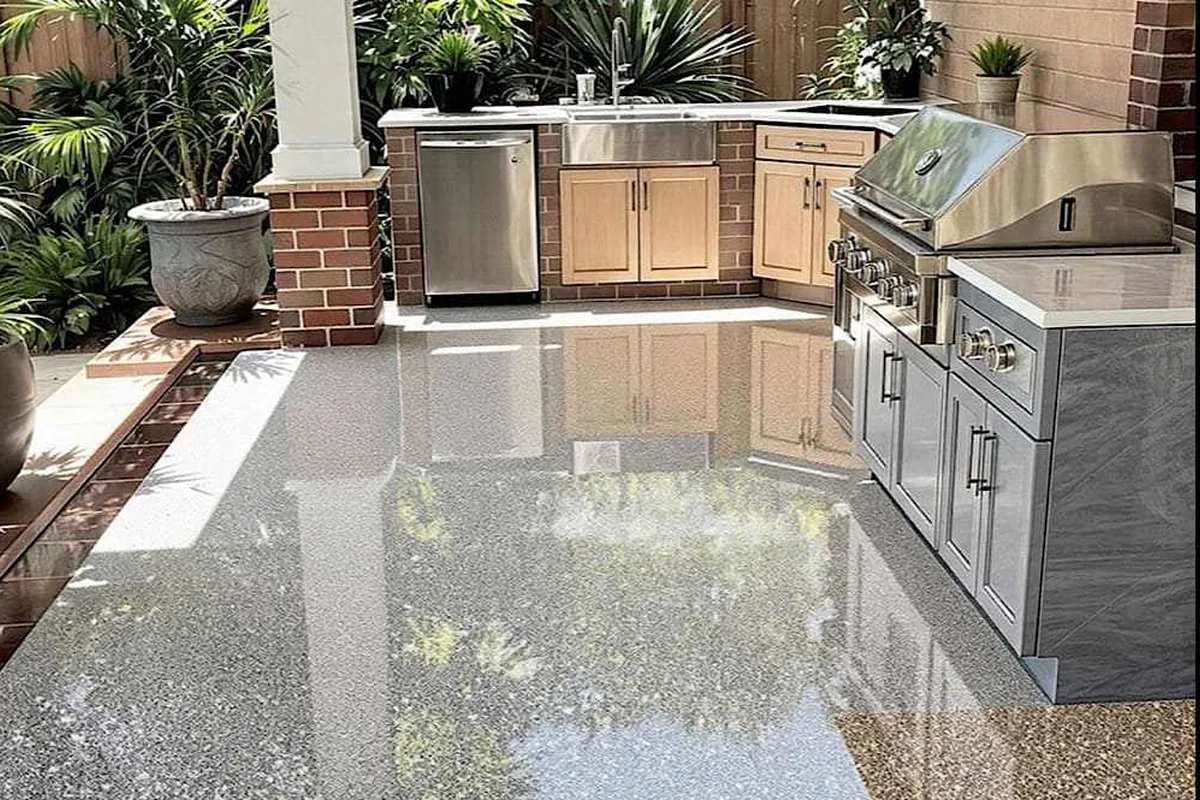
Match decorative appearance to indoor use, surface flatness, furniture movement and the required sheen.
Review the full service scope →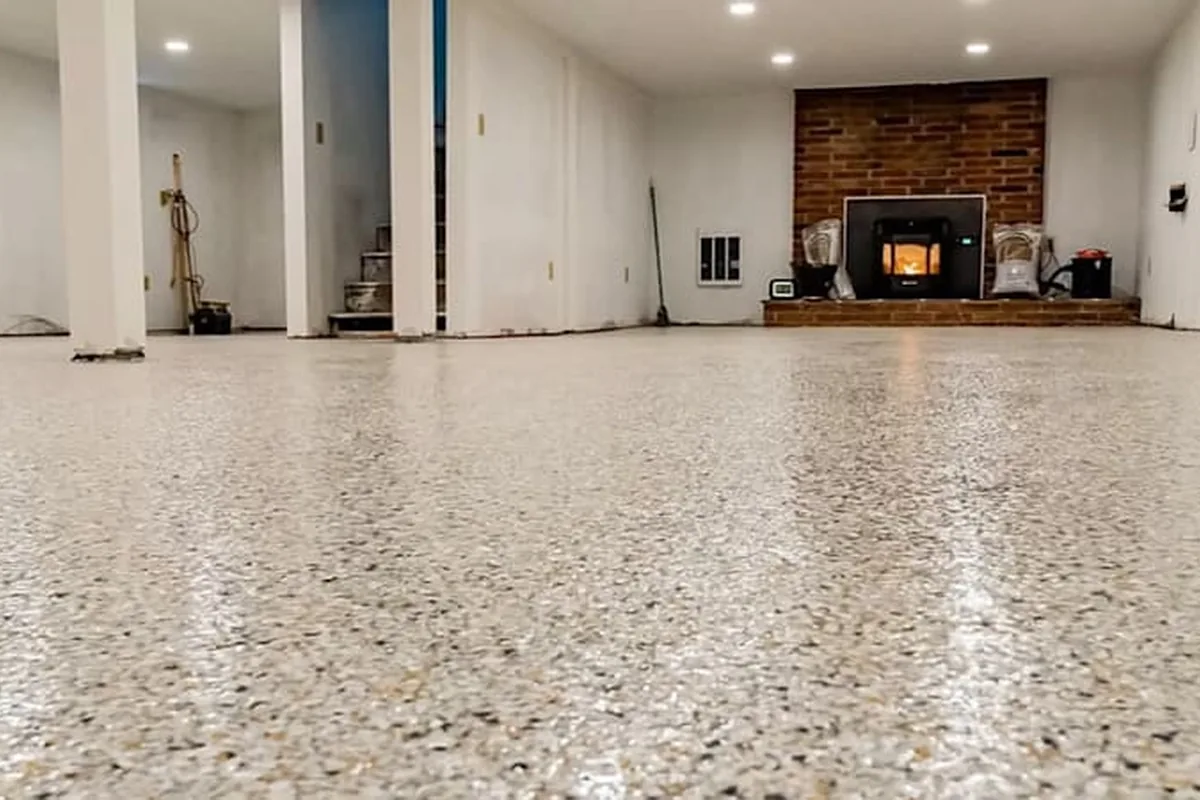
Choose blend, flake coverage, texture and topcoat around the way dust, marks and vehicle use need to be managed.
Review the full service scope →A technically correct quote separates normal mechanical preparation from contamination treatment, defect repair and additional levelling.
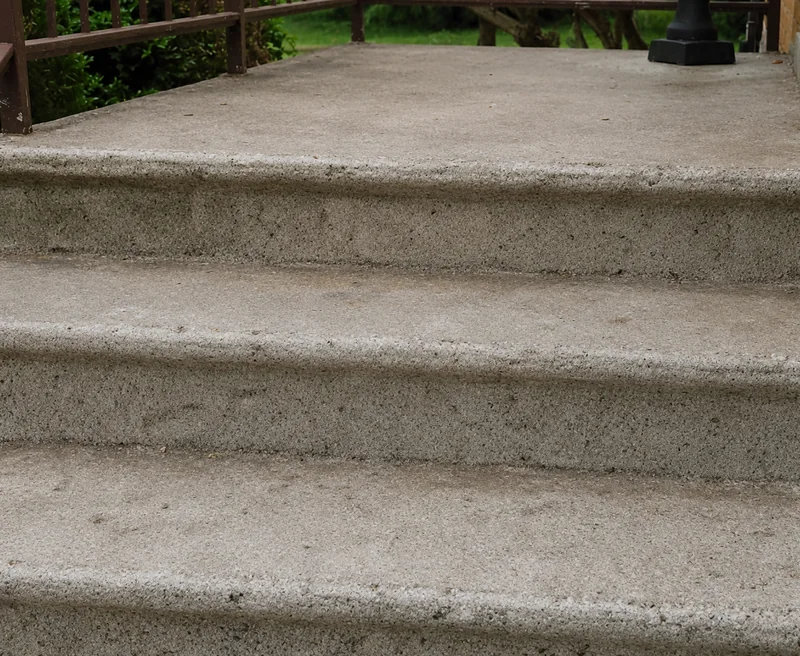
Static cracks, construction joints and moving defects require different treatment; a rigid coating cannot stop structural movement.
Quote cue: Send close-ups with a ruler or coin for scale.
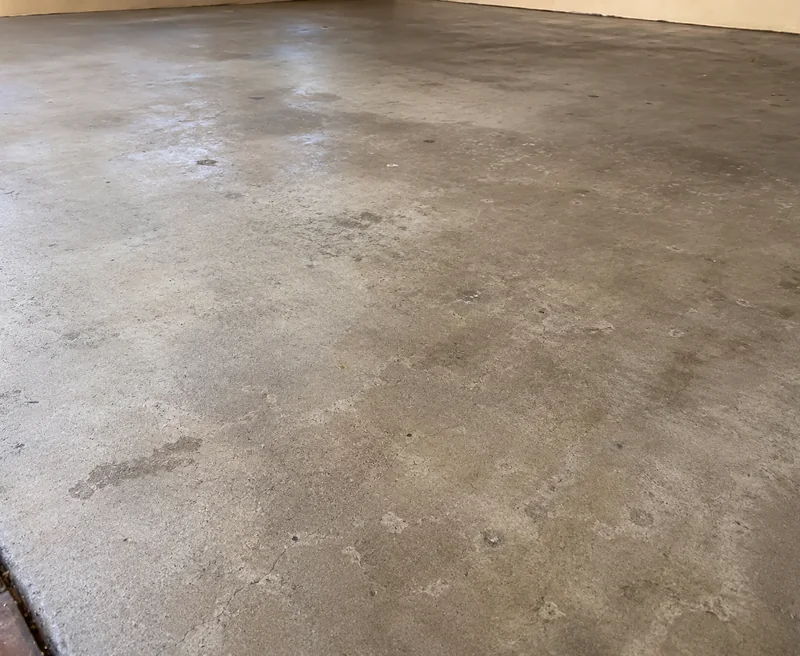
Dark patches, efflorescence, damp edges or below-grade concrete can indicate moisture conditions that affect adhesion and coating choice.
Quote cue: Mention any history of dampness, flooding or water entry.
Hollows, high spots, damaged edges and spalled concrete may require work beyond standard coating preparation.
Quote cue: Use side-lighting photos to reveal uneven areas and edge damage.
Paint, acrylic sealer, old epoxy or adhesive can change the grinding effort and may conceal weak adhesion beneath the visible surface.
Quote cue: Photograph peeling edges and identify any previous coating if known.
The matrix sets out the difference between a decorative request and the technical work required to support it.
| Application or inspection focus | Information required | Specification response |
|---|---|---|
| Studio or display area | Appearance, furniture and cleaning | Levelness review, selected sheen and maintenance planning |
| Residential utility room | Household traffic, wetness and edges | Practical system, detail work and cleanability |
| Feature interior | Colour movement, gloss and lighting | Smooth substrate, decorative installation and clear topcoat |
| Inspection priority: Cracks, joints and movement | Send close-ups with a ruler or coin for scale. | Confirm alongside moisture and vapour risk before fixing the metallic epoxy flooring build |
The work programme must account for cracks, joints and movement, equipment access and the time needed to protect each coating stage.
Static cracks, construction joints and moving defects require different treatment; a rigid coating cannot stop structural movement. Hollows, high spots, damaged edges and spalled concrete may require work beyond standard coating preparation.
The agreed sequence covers substrate verification, removal and repairs, mechanical profiling, cleaning, coating stages and protected cure. Pedestrian, storage, vehicle and operational handover times are stated separately where the system requires them.
The decision starts with the slab, existing coatings, moisture, traffic, cleaning, sunlight and shutdown window. The decorative finish is selected after those requirements are clear.
Not automatically. Existing material should be tested and usually mechanically prepared or removed until the substrate is suitable for the specified system.
Cracks and joints are assessed by type. Static defects may be repairable within the coating scope, while moving or structural cracks can reappear and need clearly stated limitations.
Use a method suited to the chosen texture and topcoat. Smooth finishes are easier to mop, while textured floors may require scrubbing to release dirt.
Yes. They are scoped separately because preparation, traffic, texture, operating hours and return-to-service requirements can differ considerably.
Neighbouring areas share the service network, but preparation priorities and coating specifications remain site-specific.
View the full Inner Melbourne service region →
The map confirms the suburb reference only. Pricing is based on the actual address, access route, measurements, floor condition and inspection findings.