
Mixed residential and business focus
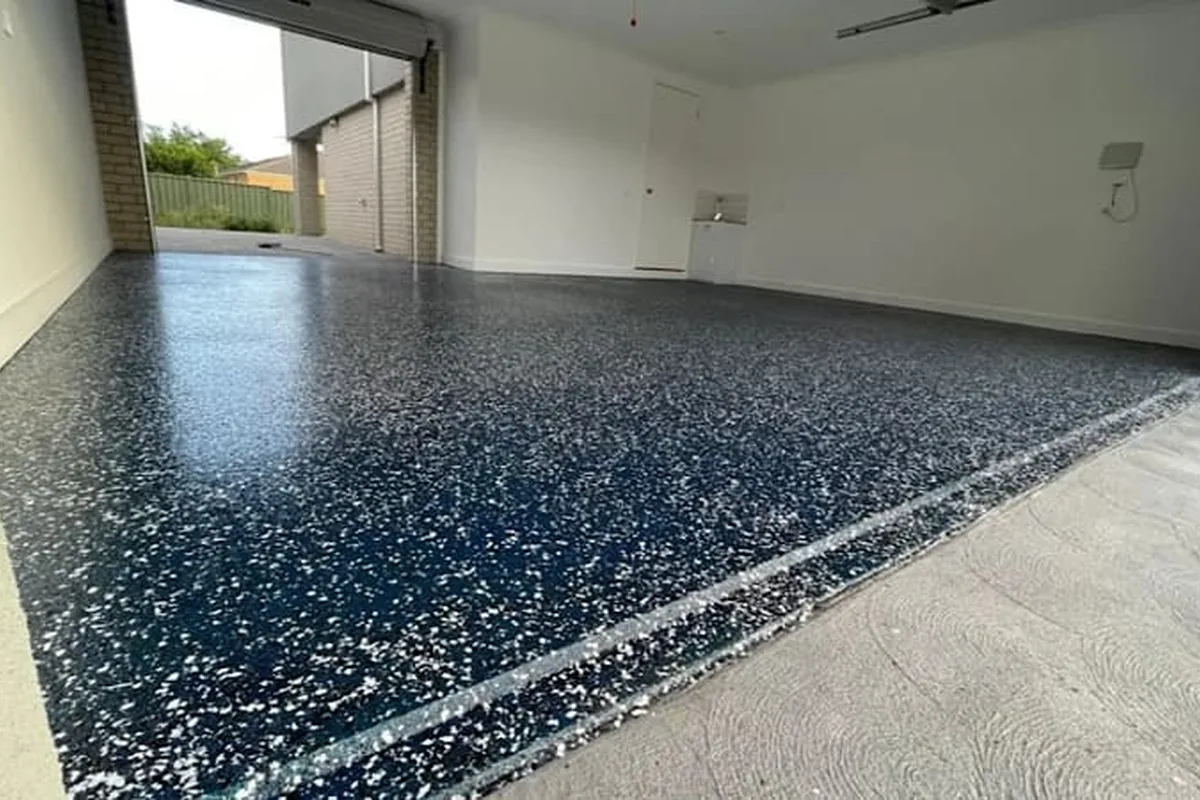
Garage Epoxy Flooring
Compare flake and solid systems against tyre use, doorway light, storage and the desired cleaning routine.
Review the full service scope →Epoxy flooring Footscray 3011: Garage Epoxy Flooring, Commercial Epoxy Flooring and preparation scoped to traffic, slab condition and cure time.
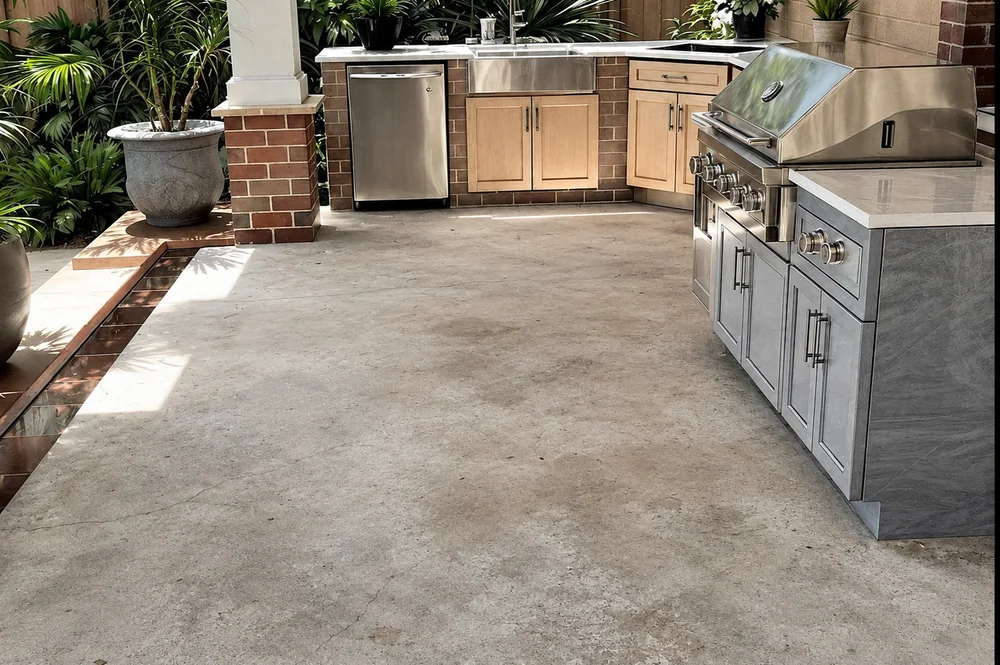

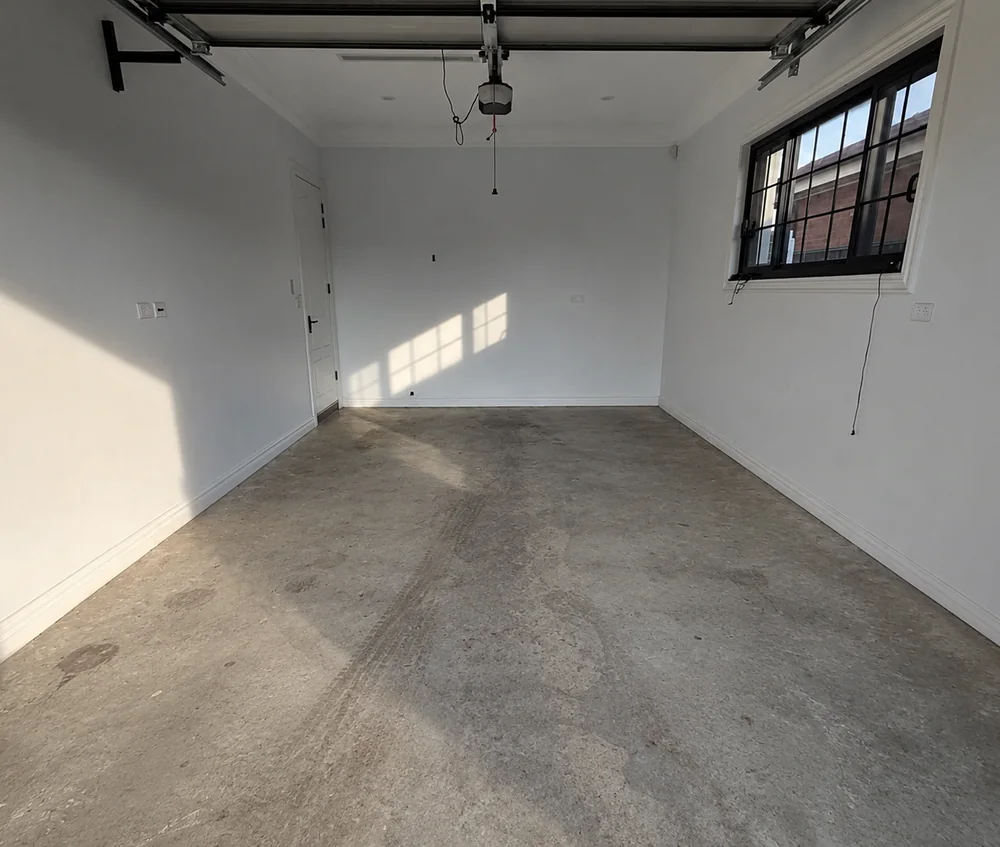

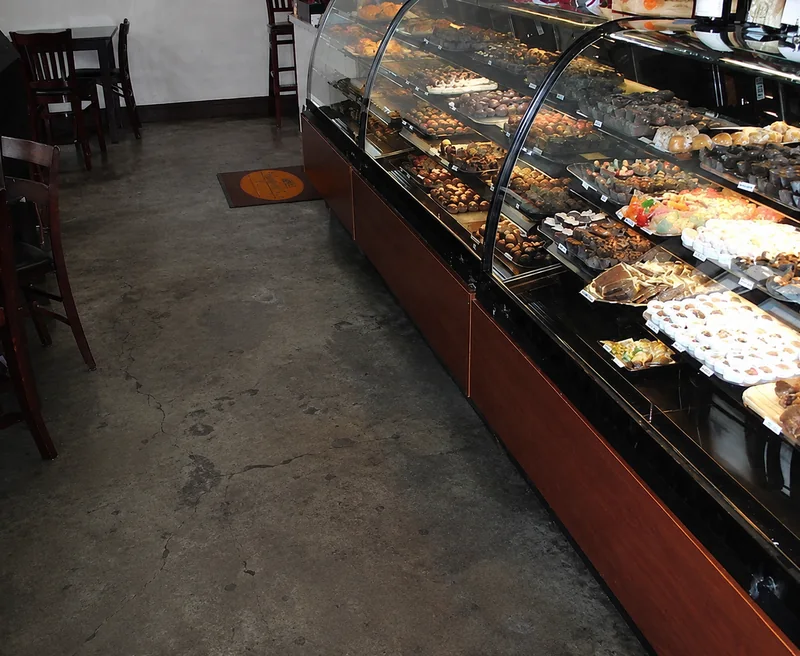

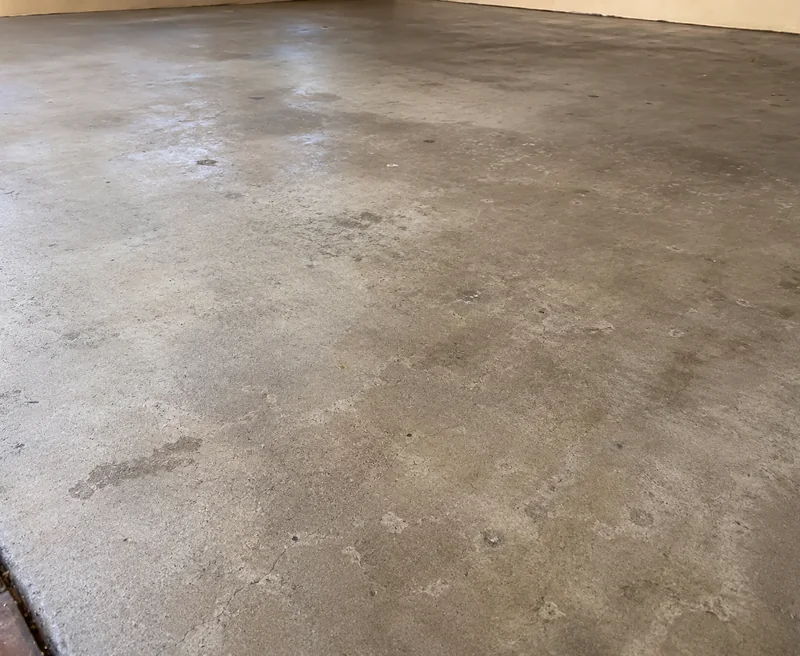



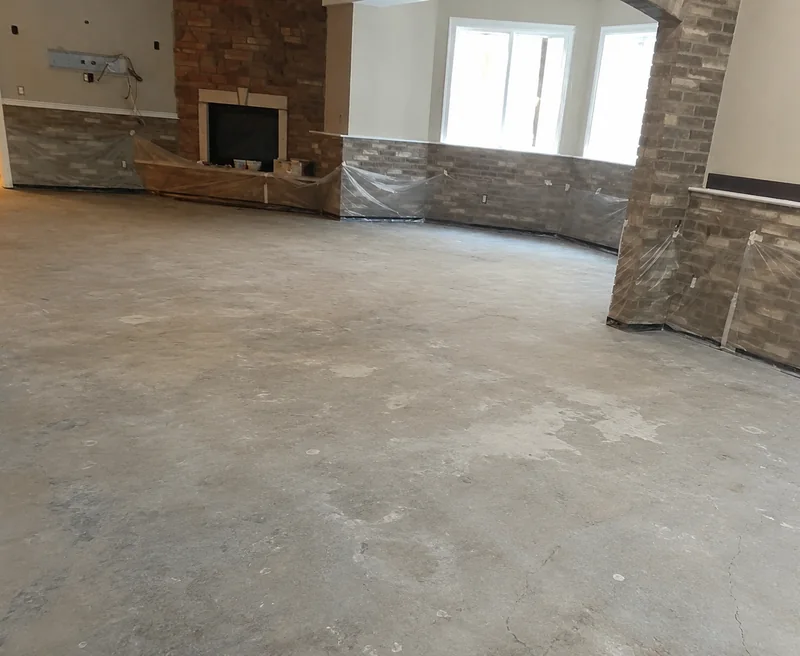

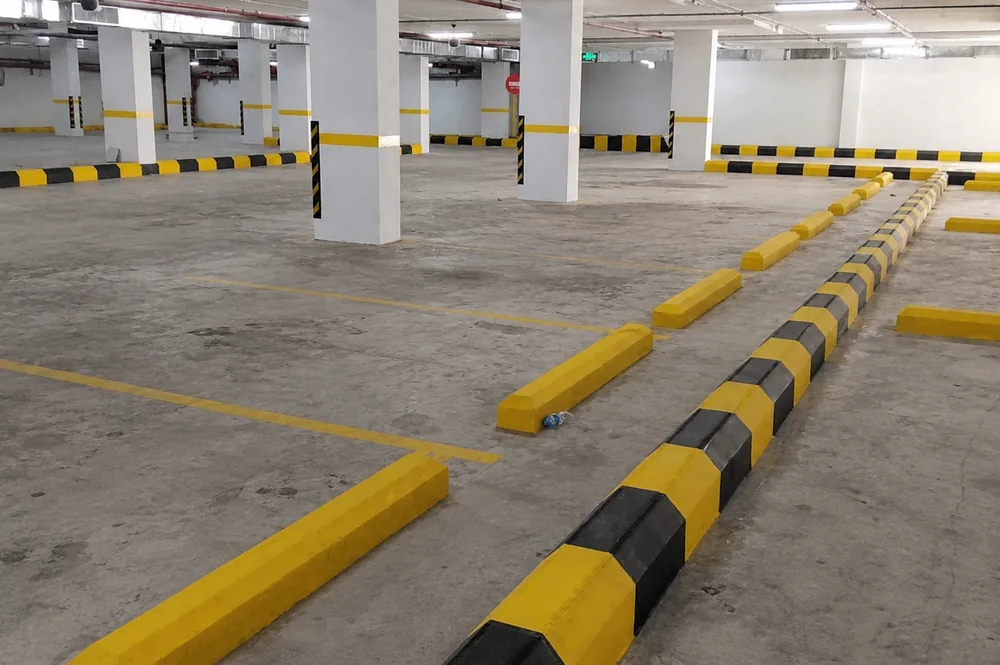

The specification emphasis is the contrast between residential presentation, commercial cleaning, vehicle traffic and substrate condition.
Mr Epoxying groups Footscray 3011 with Inner Melbourne service work, approximately 6 km west from central Melbourne. Within the inner-city band, planning commonly centres on restricted access, shared buildings, ventilation and short operating windows.
The surrounding service cluster connects Footscray with Seddon, Yarraville and Kensington, while every floor receives a site-specific scope.
| Postcode | 3011 |
|---|---|
| Melbourne position | Approximately 6 km west of the CBD |
| Regional group | Inner Melbourne |
| Primary scope | Mixed residential and business focus |
| Nearest linked areas | Seddon, Yarraville, Kensington |
The local scope gives priority to mixed residential and business focus rather than forcing every floor into the same generic coating package.
Compare flake and solid systems against tyre use, doorway light, storage and the desired cleaning routine.
Review the full service scope →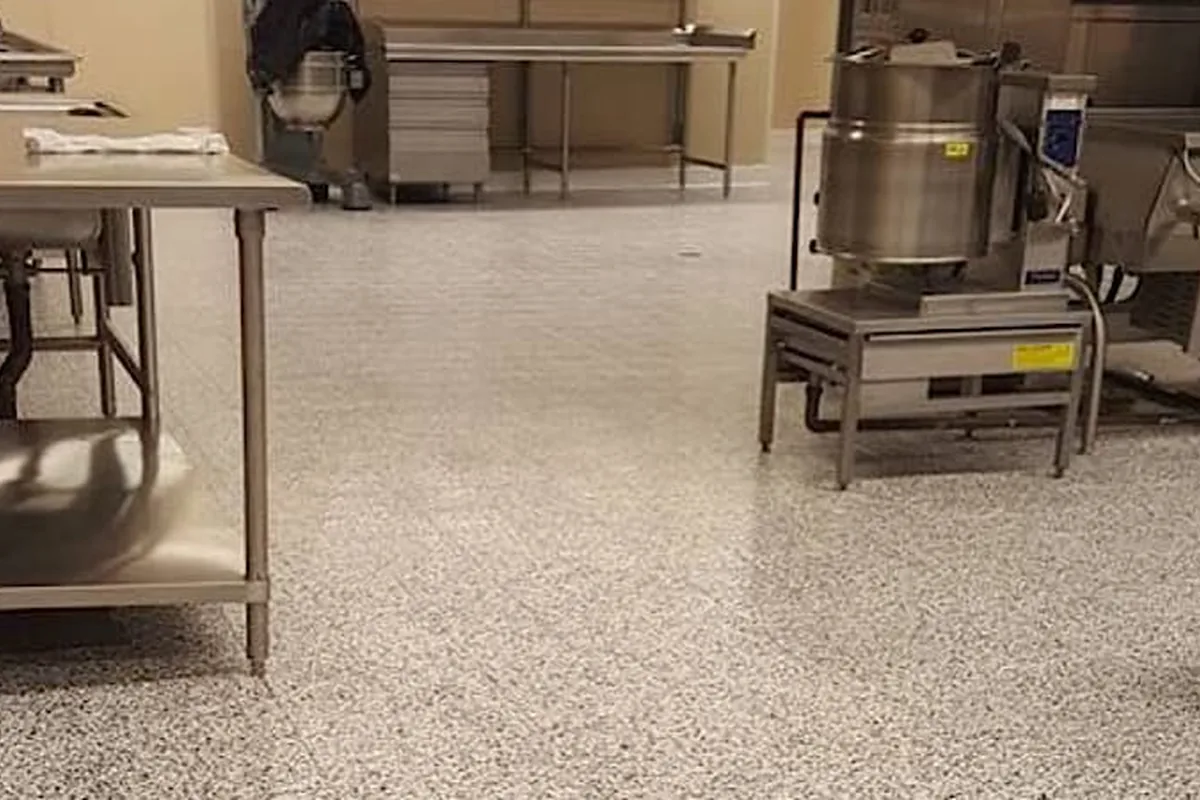
Define public access, cleaning, wetness, presentation and the maximum shutdown period before selecting the build.
Review the full service scope →
Establish how much paint, sealer, adhesive, contamination or weak surface material must be removed before coating.
Review the full service scope →The inspection should resolve these points early so the written scope does not rely on assumptions hidden beneath the coating.
Foot traffic, vehicle turns, pallet jacks, forklifts and dropped tools create different loading patterns and system requirements.
Quote cue: Describe the heaviest normal use and how often it occurs.
Vehicle bays and workshops can hold oil, tyre residue or silicone contamination that must be assessed before a coating system is selected.
Quote cue: Mark the darkest or most frequently parked areas in the photos.
Static cracks, construction joints and moving defects require different treatment; a rigid coating cannot stop structural movement.
Quote cue: Send close-ups with a ruler or coin for scale.
Dark patches, efflorescence, damp edges or below-grade concrete can indicate moisture conditions that affect adhesion and coating choice.
Quote cue: Mention any history of dampness, flooding or water entry.
The specification changes when traffic, contamination, wetness or cure timing changes; the rows show where those decisions enter the scope.
| Application or inspection focus | Information required | Specification response |
|---|---|---|
| Residential garage | Vehicles, storage and appearance | Grinding, repairs and practical finish selection |
| Commercial unit | Cleaning, foot traffic and shutdown | System build and texture matched to operations |
| Workshop or storage | Impact, oils and equipment movement | Preparation depth, durable coating and staged access |
| Inspection priority: Traffic, turning and impact | Describe the heaviest normal use and how often it occurs. | Confirm alongside oil and tyre contamination before fixing the garage epoxy flooring build |
The installation route should be settled before colour selection, particularly where traffic, turning and impact or oil and tyre contamination affects staging.
Foot traffic, vehicle turns, pallet jacks, forklifts and dropped tools create different loading patterns and system requirements. Static cracks, construction joints and moving defects require different treatment; a rigid coating cannot stop structural movement.
The agreed sequence covers substrate verification, removal and repairs, mechanical profiling, cleaning, coating stages and protected cure. Pedestrian, storage, vehicle and operational handover times are stated separately where the system requires them.
Not automatically. Existing material should be tested and usually mechanically prepared or removed until the substrate is suitable for the specified system.
Vehicle access depends on the complete coating system, temperature and site conditions. The written scope should distinguish pedestrian cure from vehicle cure.
Common causes include insufficient preparation, moisture, contamination, weak concrete, incompatible existing coatings and returning the floor to service too early.
A coating follows the substrate. Standard grinding is not the same as levelling, so hollows, high spots and damaged edges may need separate correction.
Yes. They are scoped separately because preparation, traffic, texture, operating hours and return-to-service requirements can differ considerably.
Grouping nearby inspections can improve scheduling, although floor area, equipment requirements and cure windows remain the main job-planning factors.
View the full Inner Melbourne service region →
The location establishes travel planning, while preparation and coating requirements come from the physical floor.