
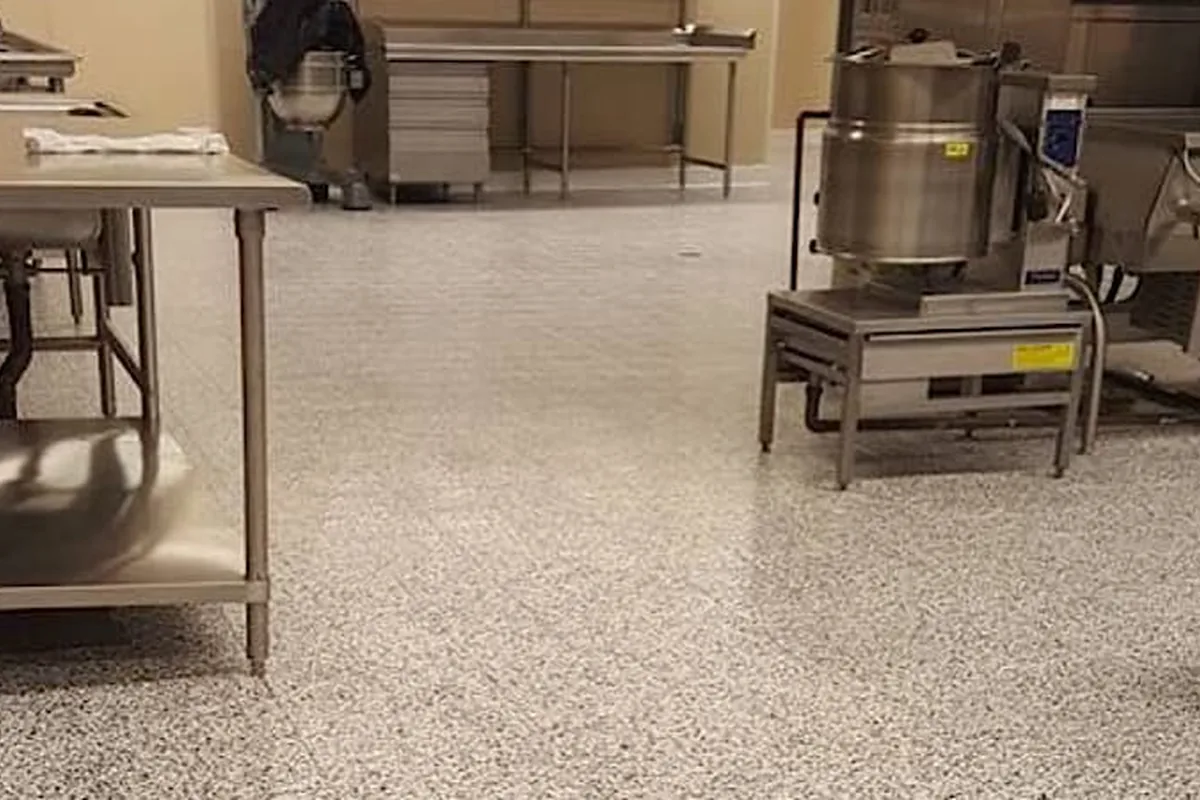
Access and staged installation focus
Commercial Epoxy Flooring
Define public access, cleaning, wetness, presentation and the maximum shutdown period before selecting the build.
Review the full service scope →Quote epoxy flooring in Fairfield 3078: compare commercial epoxy flooring, residential epoxy flooring and substrate preparation.
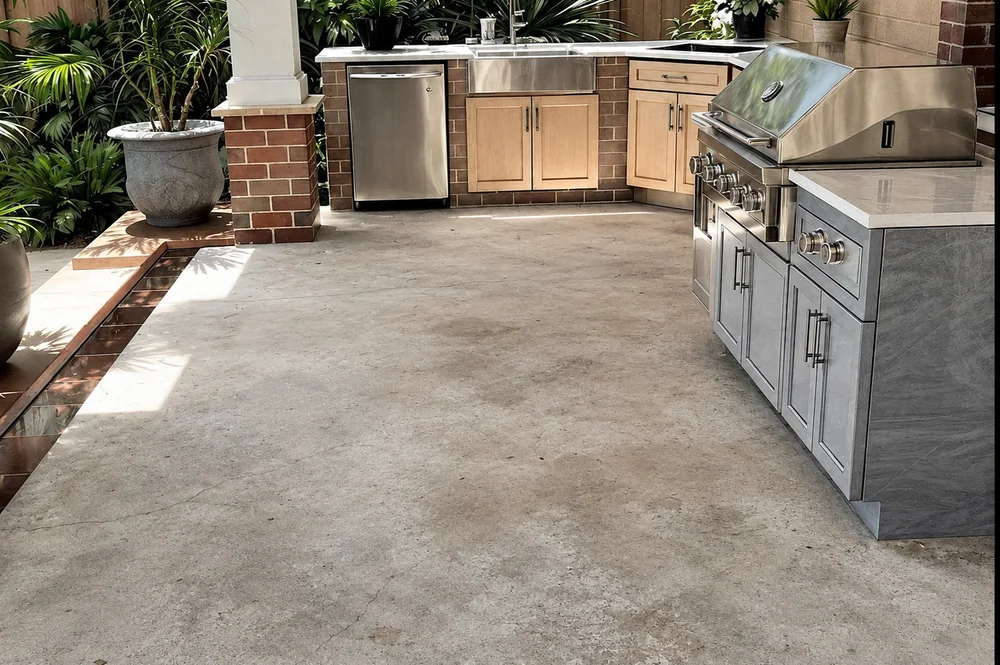

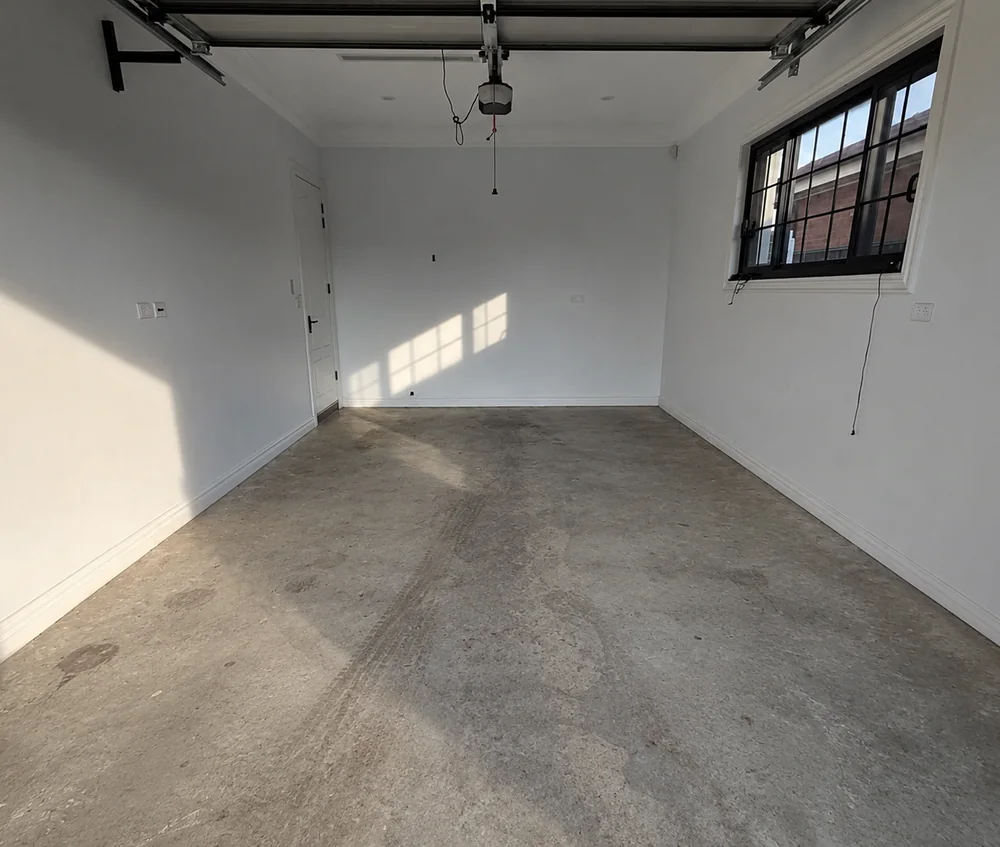

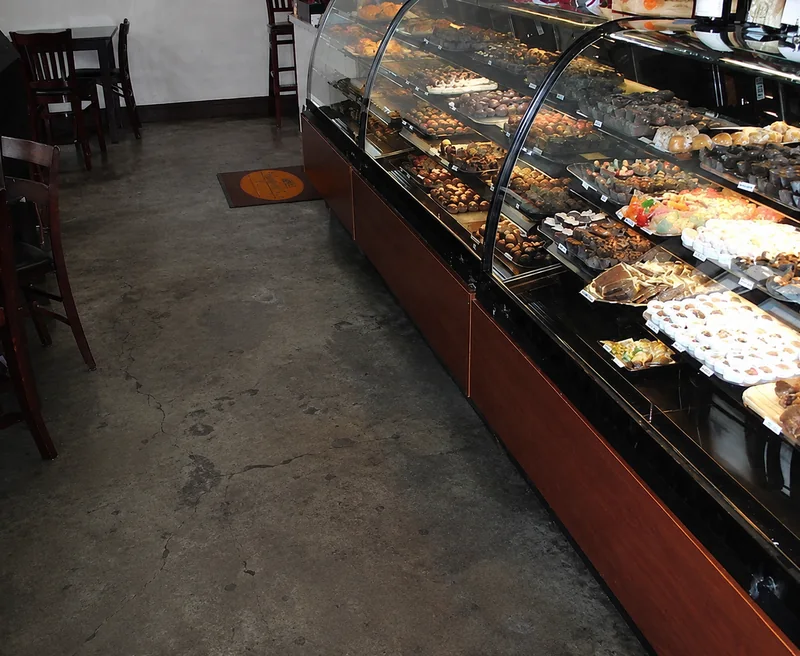

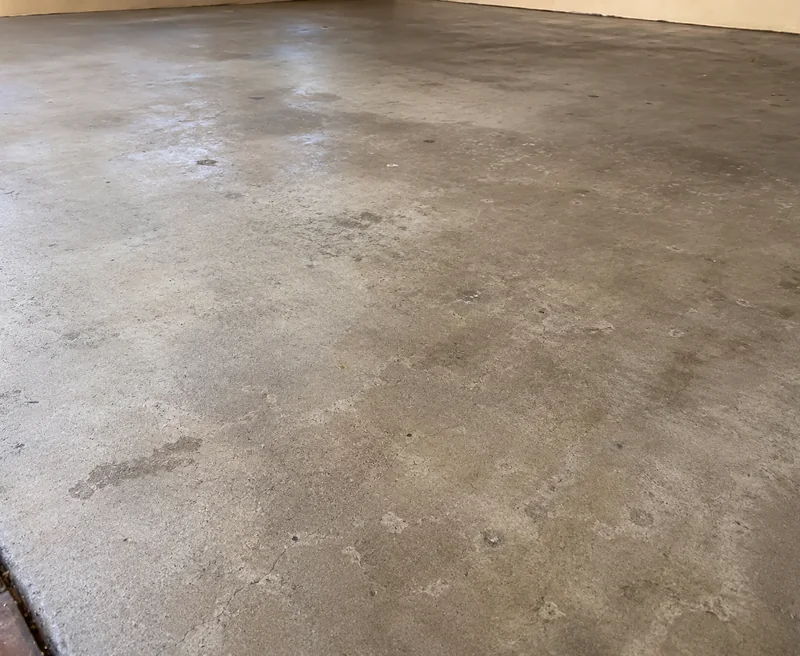


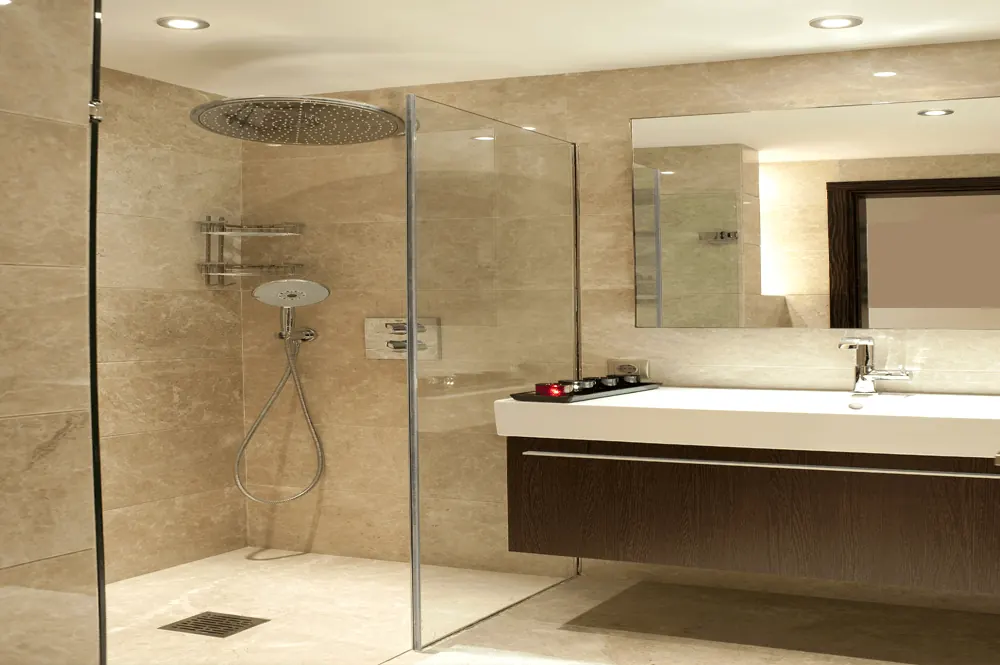
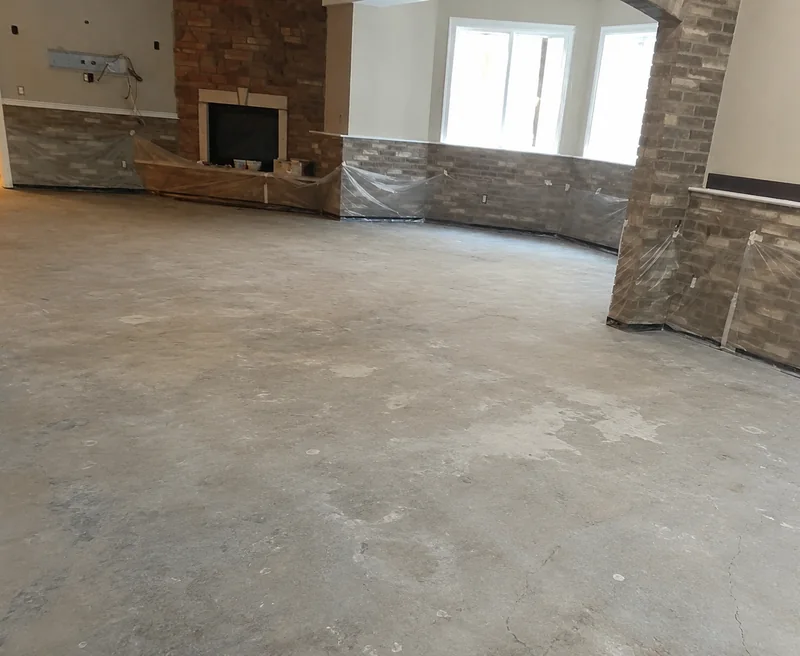

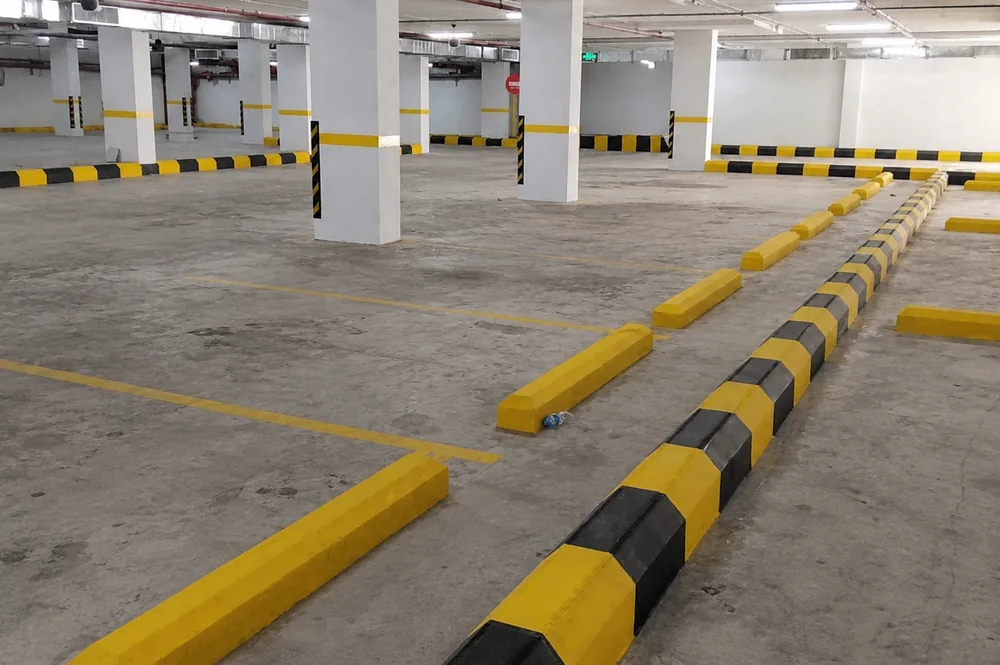

The specification emphasis is parking, equipment movement, shared access, ventilation, noise control and a realistic staging plan.
For service planning, Fairfield sits in the Inner Melbourne group, roughly 6 km north-east of the CBD. Within the inner-city band, planning commonly centres on restricted access, shared buildings, ventilation and short operating windows.
The surrounding service cluster connects Fairfield with Alphington, Northcote and Thornbury, while every floor receives a site-specific scope.
| Postcode | 3078 |
|---|---|
| Melbourne position | Approximately 6 km north-east of the CBD |
| Regional group | Inner Melbourne |
| Primary scope | Access and staged installation focus |
| Nearest linked areas | Alphington, Northcote, Thornbury |
These services address parking, equipment movement, shared access, ventilation, noise control and a realistic staging plan. Selection is confirmed after existing coatings, defects and exposure have been checked.
Define public access, cleaning, wetness, presentation and the maximum shutdown period before selecting the build.
Review the full service scope →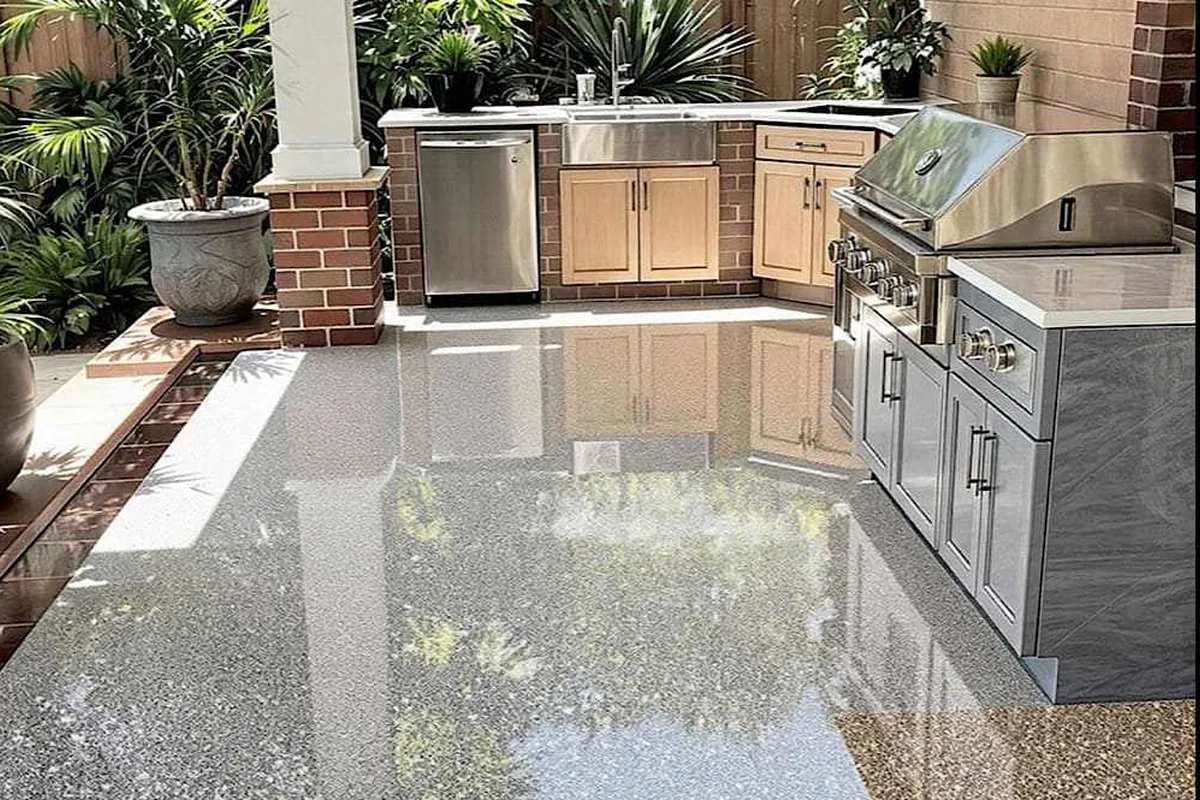
Match decorative appearance to indoor use, surface flatness, furniture movement and the required sheen.
Review the full service scope →
Establish how much paint, sealer, adhesive, contamination or weak surface material must be removed before coating.
Review the full service scope →A technically correct quote separates normal mechanical preparation from contamination treatment, defect repair and additional levelling.
Vehicle bays and workshops can hold oil, tyre residue or silicone contamination that must be assessed before a coating system is selected.
Quote cue: Mark the darkest or most frequently parked areas in the photos.
Hollows, high spots, damaged edges and spalled concrete may require work beyond standard coating preparation.
Quote cue: Use side-lighting photos to reveal uneven areas and edge damage.
Grinding and coating require equipment access, power, dust extraction and a clear route into the work area.
Quote cue: Explain stairs, lifts, shared driveways, parking or restricted access.
Preparation, coating stages and cure time need to fit the date when vehicles, staff, stock or equipment must return.
Quote cue: Provide the latest acceptable handover time, not only the preferred start date.
The specification changes when traffic, contamination, wetness or cure timing changes; the rows show where those decisions enter the scope.
| Application or inspection focus | Information required | Specification response |
|---|---|---|
| Compact garage | Equipment route, storage and doorway clearance | Efficient preparation sequence and practical coating build |
| Operating business | Customer access, stock and reopening deadline | Sectioned work, clear shutdown plan and handover controls |
| Shared-building floor | Access booking, neighbours and ventilation | Staged grinding, isolation and controlled cure window |
| Inspection priority: Oil and tyre contamination | Mark the darkest or most frequently parked areas in the photos. | Confirm alongside flatness, chips and surface repairs before fixing the commercial epoxy flooring build |
For this access and staged installation focus scope, the critical programme variables are oil and tyre contamination, flatness, chips and surface repairs and the final handover deadline.
Vehicle bays and workshops can hold oil, tyre residue or silicone contamination that must be assessed before a coating system is selected. Grinding and coating require equipment access, power, dust extraction and a clear route into the work area.
The agreed sequence covers substrate verification, removal and repairs, mechanical profiling, cleaning, coating stages and protected cure. Pedestrian, storage, vehicle and operational handover times are stated separately where the system requires them.
Not automatically. Existing material should be tested and usually mechanically prepared or removed until the substrate is suitable for the specified system.
Cracks and joints are assessed by type. Static defects may be repairable within the coating scope, while moving or structural cracks can reappear and need clearly stated limitations.
No. Metallic movement is created during installation, so samples guide the palette and style rather than guarantee an identical pattern.
It can be when the system is selected for traffic, cleaning, wetness, public access and downtime. A garage-grade package should not automatically be used for a business floor.
Yes. They are scoped separately because preparation, traffic, texture, operating hours and return-to-service requirements can differ considerably.
Grouping nearby inspections can improve scheduling, although floor area, equipment requirements and cure windows remain the main job-planning factors.
View the full Inner Melbourne service region →
The location establishes travel planning, while preparation and coating requirements come from the physical floor.