
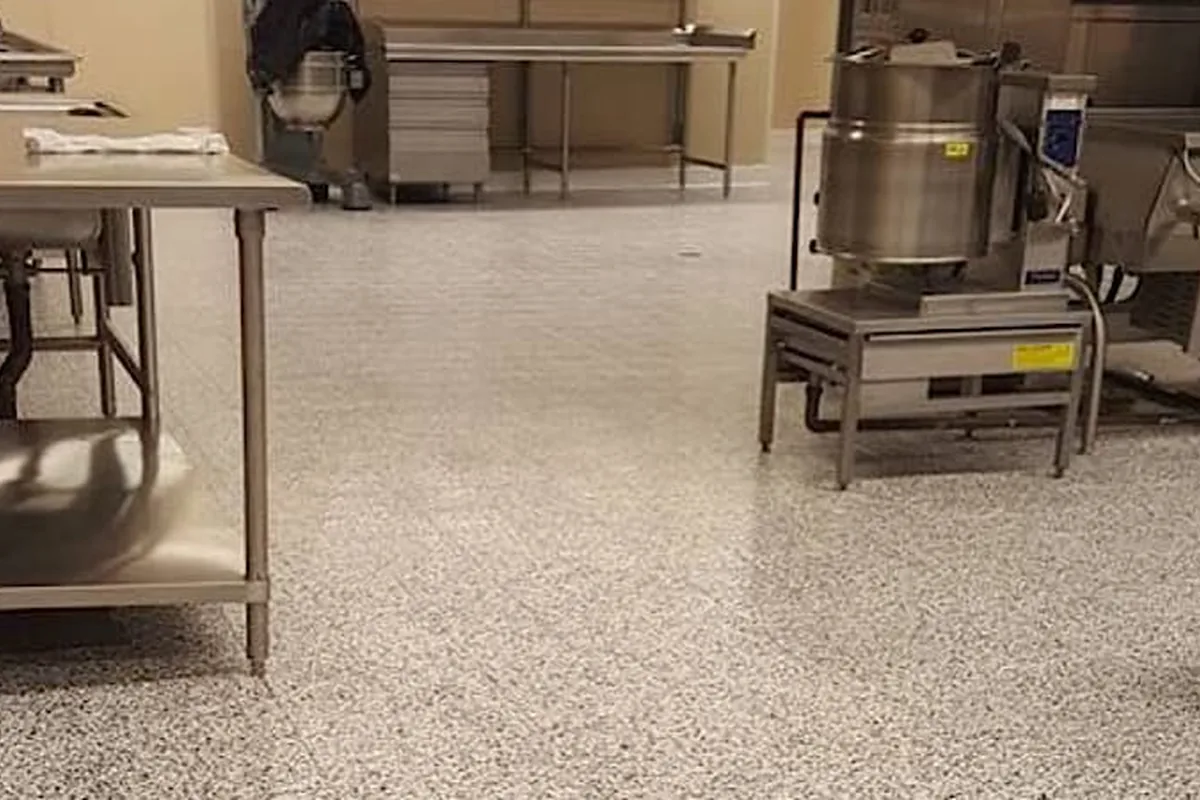
Commercial floor focus
Commercial Epoxy Flooring
Define public access, cleaning, wetness, presentation and the maximum shutdown period before selecting the build.
Review the full service scope →Epoxy flooring Waterways 3195: Commercial Epoxy Flooring, Non-Slip Epoxy Flooring and preparation scoped to traffic, slab condition and cure time.
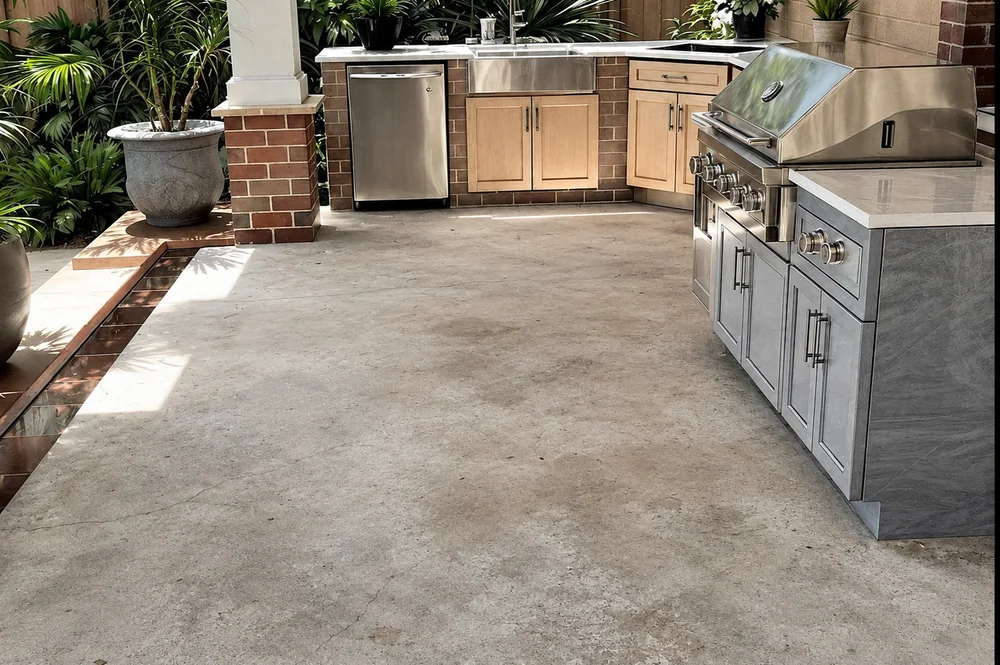

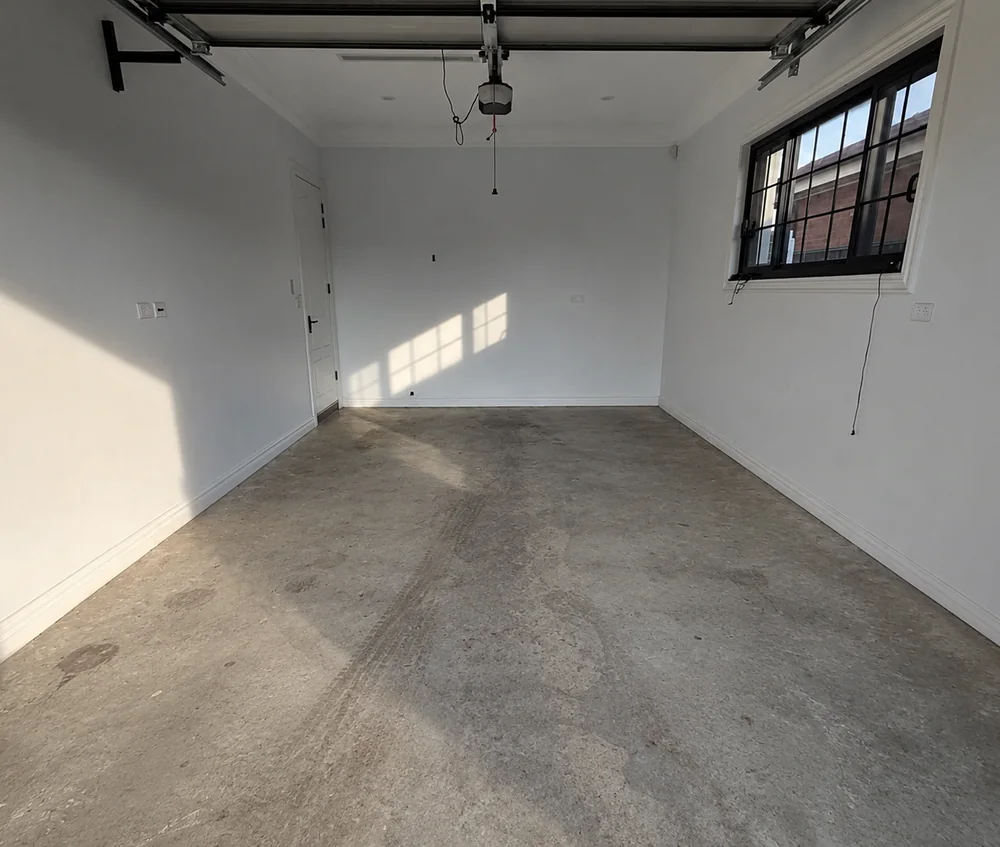

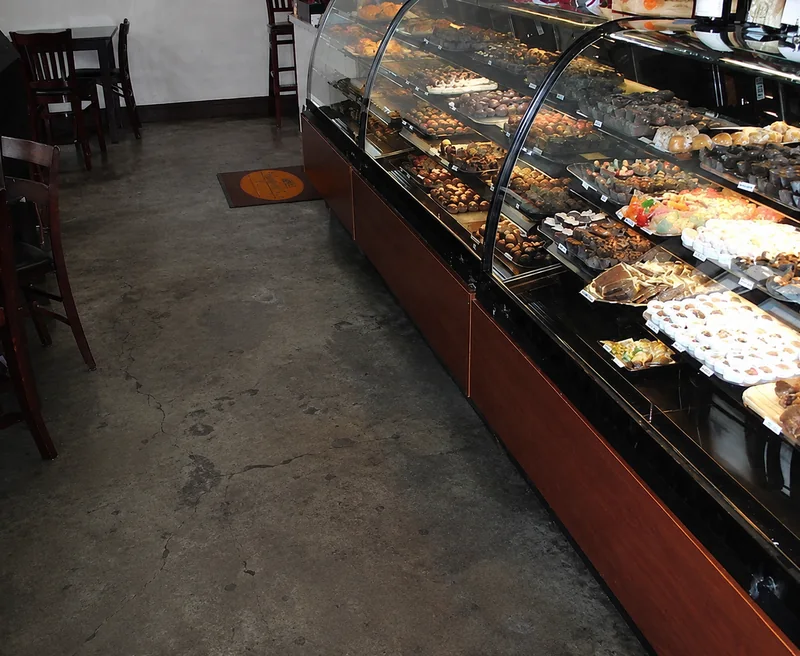

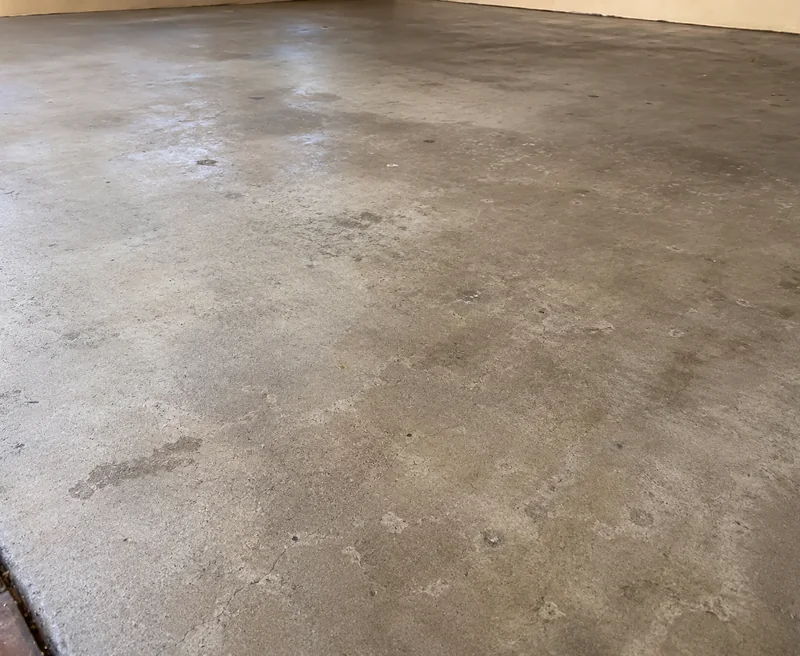

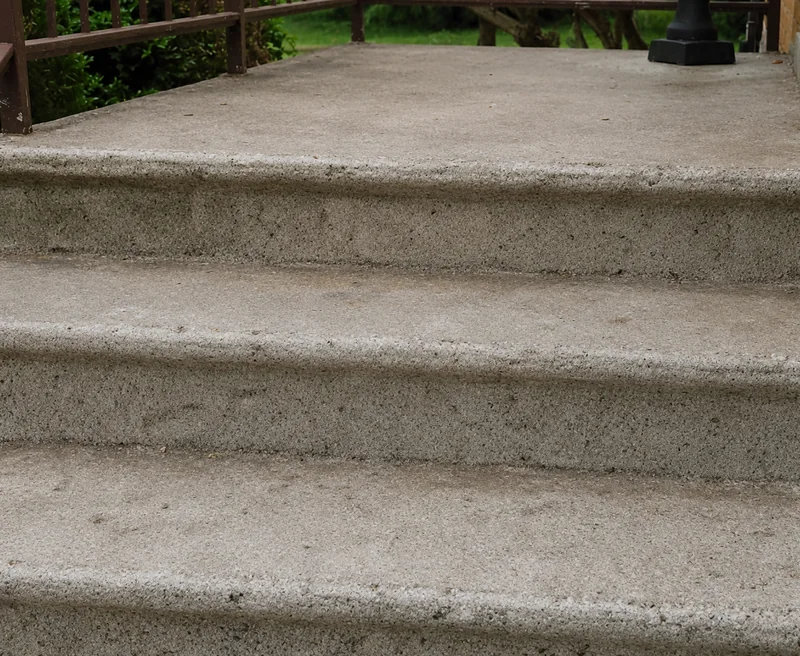
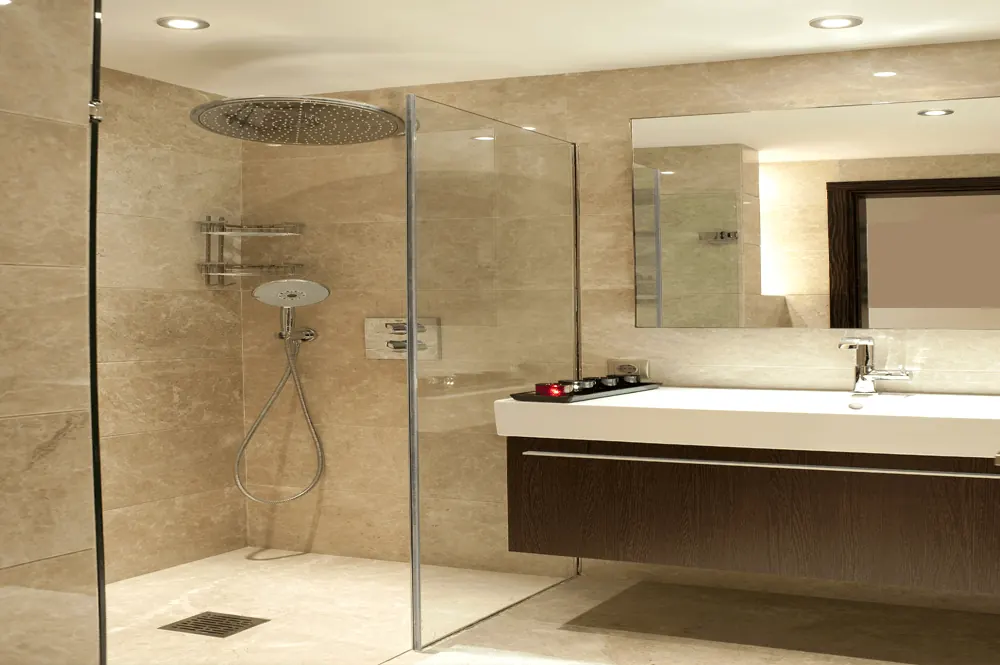
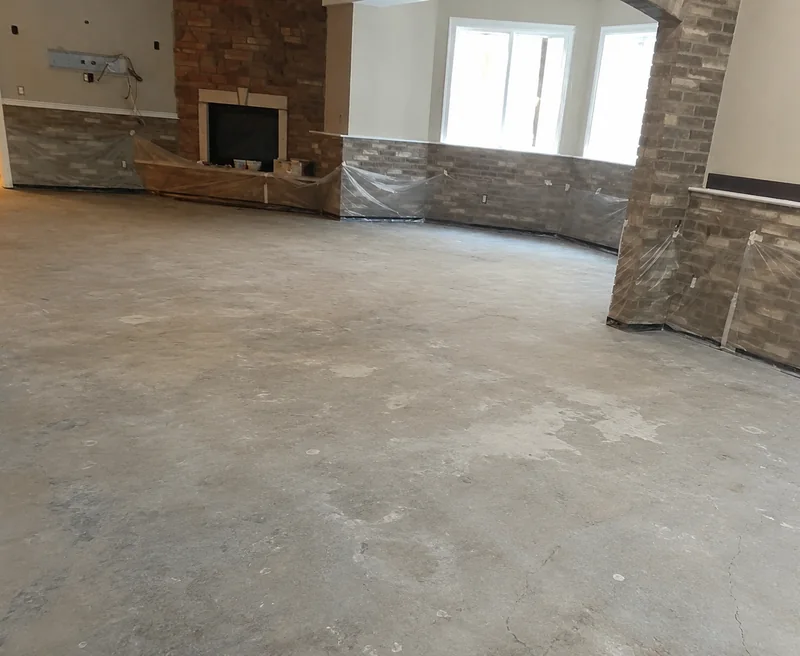

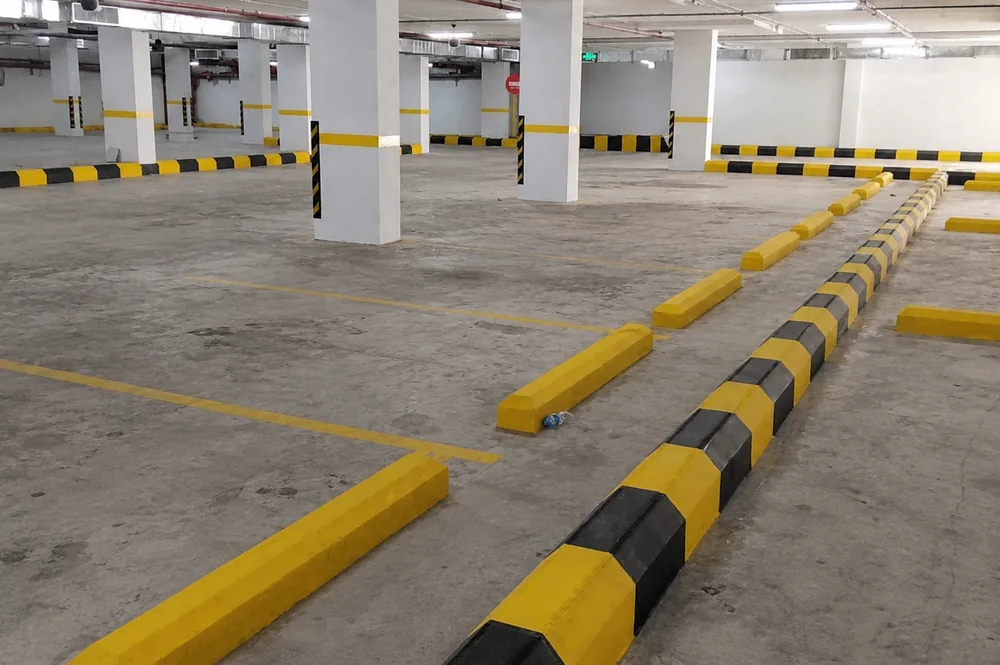

The specification emphasis is public access, cleaning frequency, wetness, slip profile, presentation and return-to-service timing.
For service planning, Waterways sits in the South-East Melbourne group, roughly 27 km south-east of the CBD. Across the middle-metropolitan band, enquiries can range from family garages to workshops and business units, so the floor use should lead the specification.
The surrounding service cluster connects Waterways with Aspendale, Edithvale and Keysborough, while every floor receives a site-specific scope.
| Postcode | 3195 |
|---|---|
| Melbourne position | Approximately 27 km south-east of the CBD |
| Regional group | South-East Melbourne |
| Primary scope | Commercial floor focus |
| Nearest linked areas | Aspendale, Edithvale, Keysborough |
For this location profile, the initial comparison centres on Commercial Epoxy Flooring, Non-Slip Epoxy Flooring and Concrete Grinding & Preparation.
Define public access, cleaning, wetness, presentation and the maximum shutdown period before selecting the build.
Review the full service scope →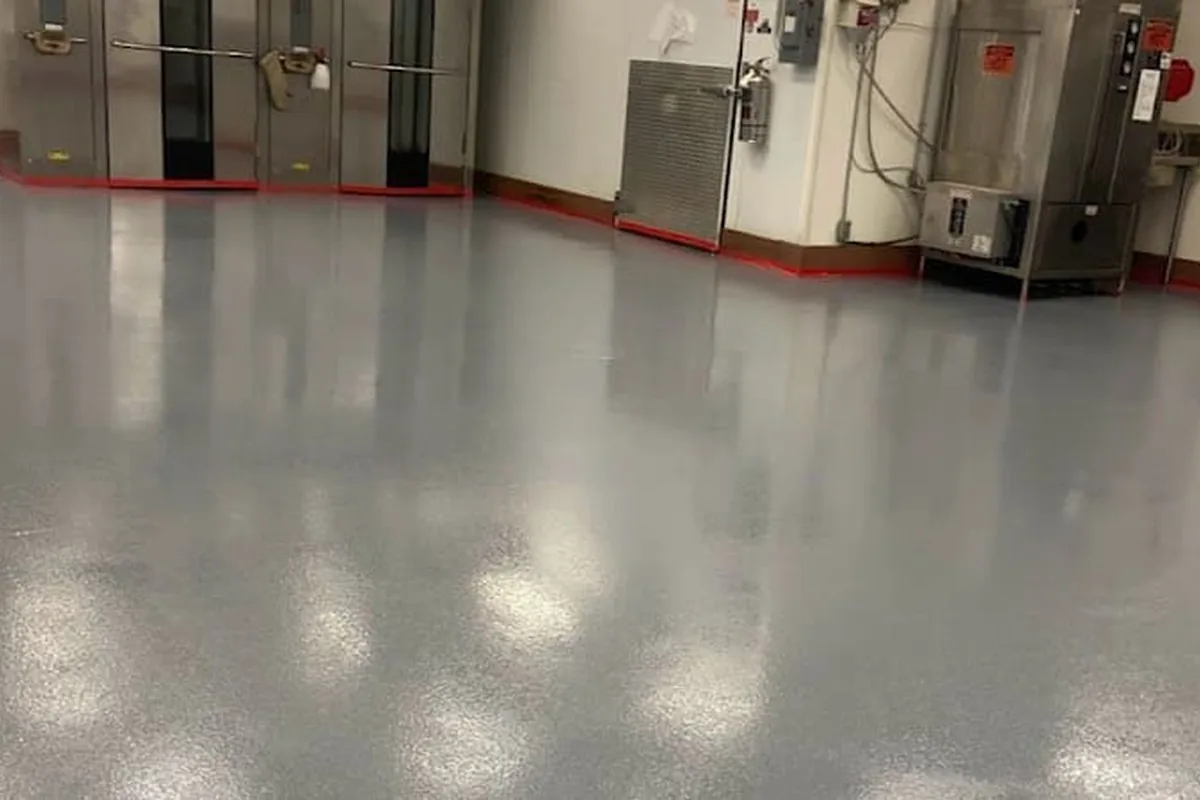
Balance wet traction with cleanability by matching texture to contaminants, footwear, gradients and cleaning equipment.
Review the full service scope →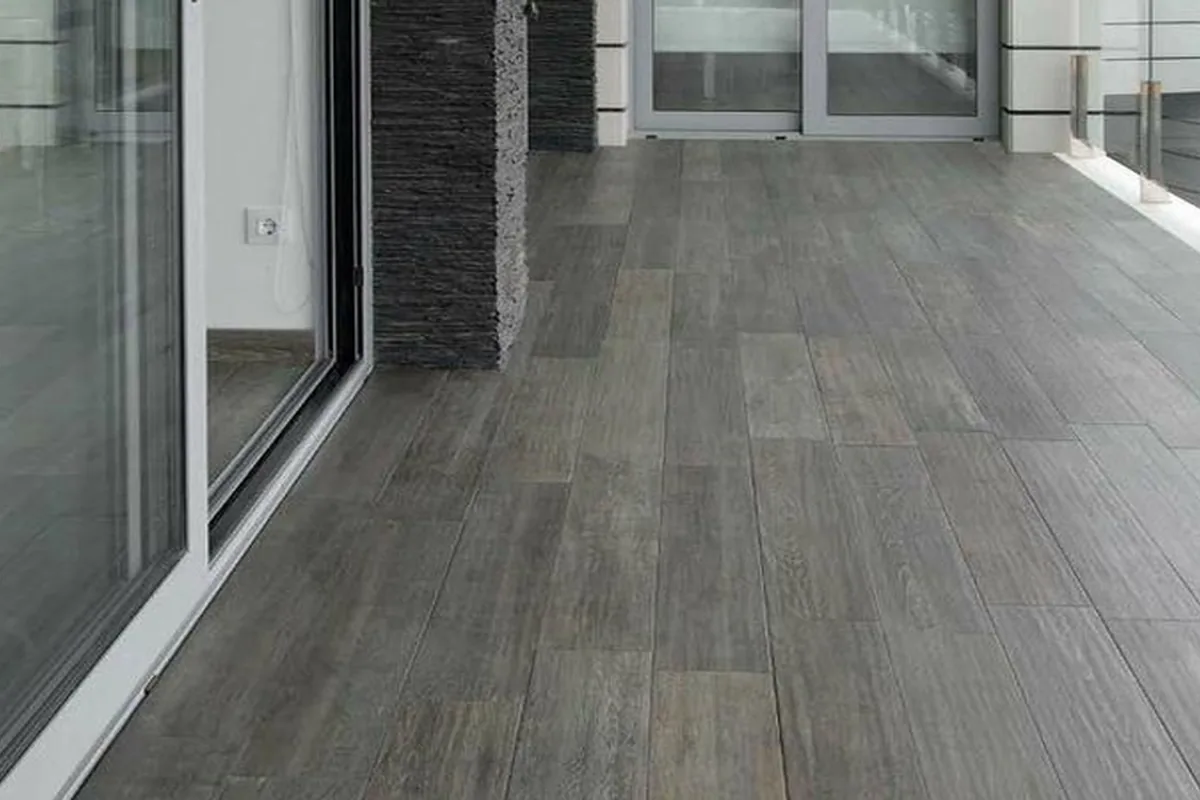
Establish how much paint, sealer, adhesive, contamination or weak surface material must be removed before coating.
Review the full service scope →These conditions are documented before the decorative finish is locked in because they can change both labour and material requirements.
A more aggressive non-slip profile can improve traction but also holds more dirt and usually needs stronger mechanical cleaning.
Quote cue: State whether the floor is swept, mopped, scrubbed or pressure cleaned.
Dark patches, efflorescence, damp edges or below-grade concrete can indicate moisture conditions that affect adhesion and coating choice.
Quote cue: Mention any history of dampness, flooding or water entry.
Ponding, leaking thresholds, wash-down and poor falls should be understood before texture and coating are specified.
Quote cue: Show drains, low points and the direction water travels.
Foot traffic, vehicle turns, pallet jacks, forklifts and dropped tools create different loading patterns and system requirements.
Quote cue: Describe the heaviest normal use and how often it occurs.
The matrix converts commercial floor focus into four quote decisions: floor use, evidence required, preparation response and coating build.
| Application or inspection focus | Information required | Specification response |
|---|---|---|
| Back-of-house area | Cleaning, spills, carts and wetness | Texture and build matched to maintenance demands |
| Commercial unit | Mixed foot and vehicle use | Zoned preparation, repairs and application sequencing |
| Retail or showroom | Presentation, foot traffic and public reopening | Smooth preparation, chosen sheen and controlled cure window |
| Inspection priority: Cleaning and texture balance | State whether the floor is swept, mopped, scrubbed or pressure cleaned. | Confirm alongside moisture and vapour risk before fixing the commercial epoxy flooring build |
The work programme must account for cleaning and texture balance, equipment access and the time needed to protect each coating stage.
A more aggressive non-slip profile can improve traction but also holds more dirt and usually needs stronger mechanical cleaning. Ponding, leaking thresholds, wash-down and poor falls should be understood before texture and coating are specified.
The agreed sequence covers substrate verification, removal and repairs, mechanical profiling, cleaning, coating stages and protected cure. Pedestrian, storage, vehicle and operational handover times are stated separately where the system requires them.
Not automatically. Existing material should be tested and usually mechanically prepared or removed until the substrate is suitable for the specified system.
The quote should state the grinding or other mechanical preparation included. Heavy coating removal, adhesive, oil contamination, repairs or levelling can add separate work.
Common causes include insufficient preparation, moisture, contamination, weak concrete, incompatible existing coatings and returning the floor to service too early.
The source and severity should be investigated before coating. Depending on the condition, the specification may change or the floor may not be suitable until the moisture issue is addressed.
Sometimes, but colour, age, gloss and existing wear can make a patch visible. Widespread failure may be better handled by broader removal and recoating.
The distances below are calculated from the suburb coordinates in the location dataset and help organise nearby inspection runs; final travel depends on the project address.
View the full South-East Melbourne service region →
The location establishes travel planning, while preparation and coating requirements come from the physical floor.