
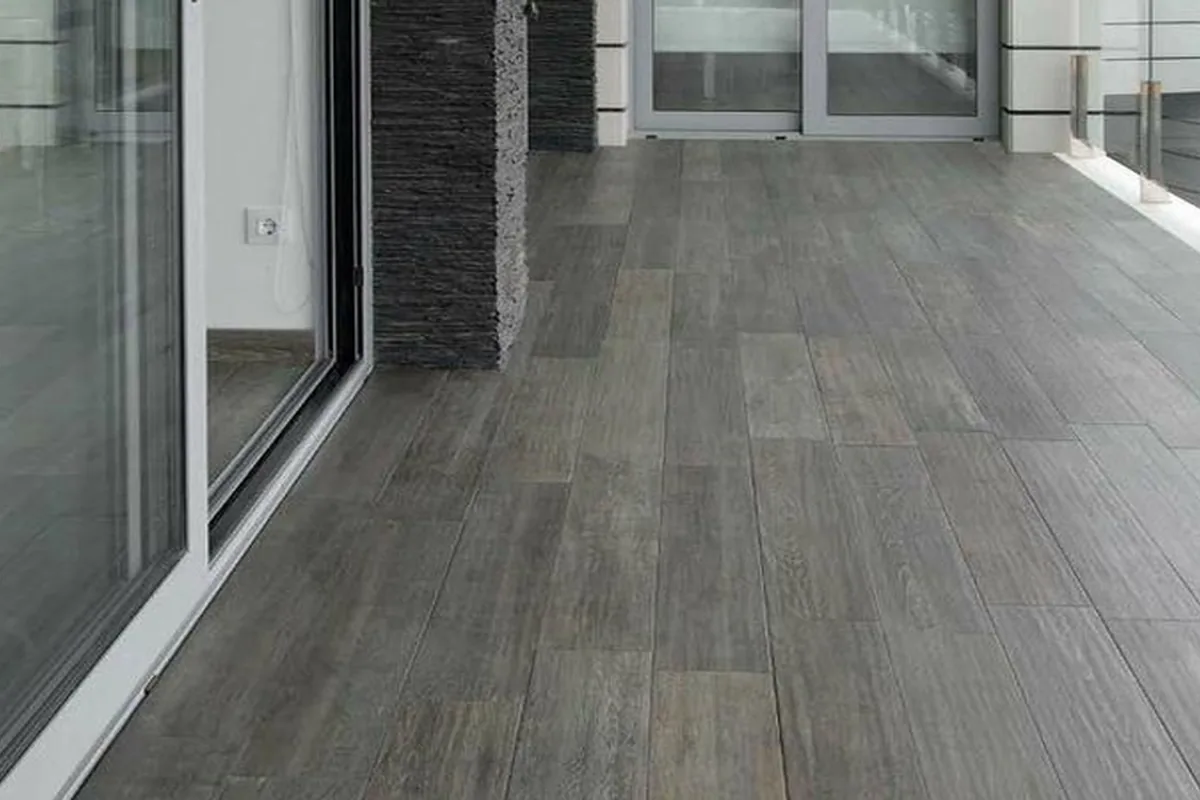
Surface preparation focus
Concrete Grinding & Preparation
Establish how much paint, sealer, adhesive, contamination or weak surface material must be removed before coating.
Review the full service scope →Epoxy floor coatings in St Albans 3021 for surface preparation focus, including preparation, texture, traffic and return-to-service planning.
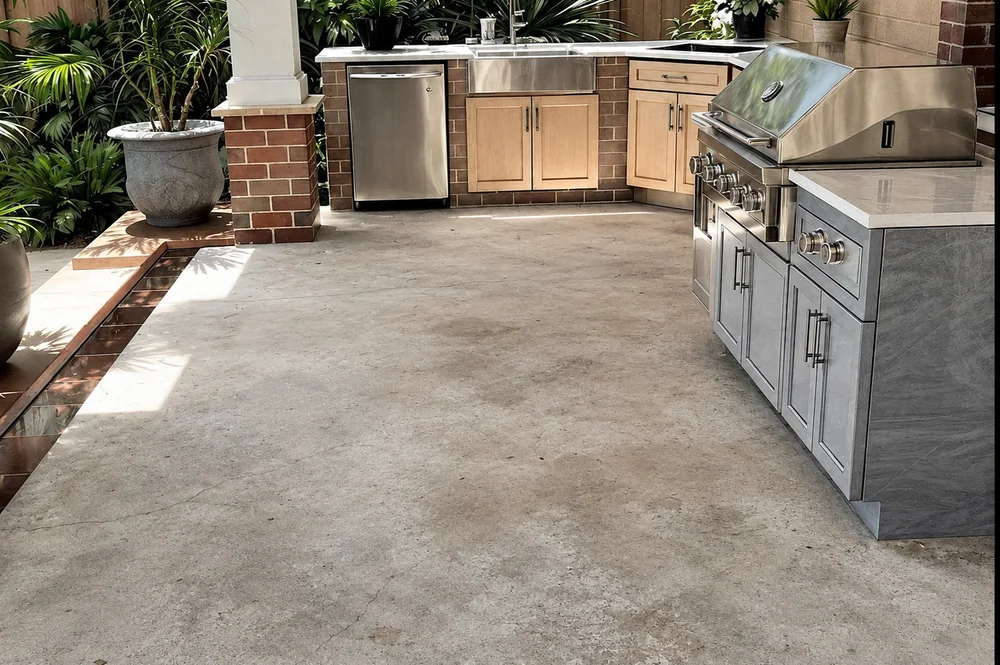

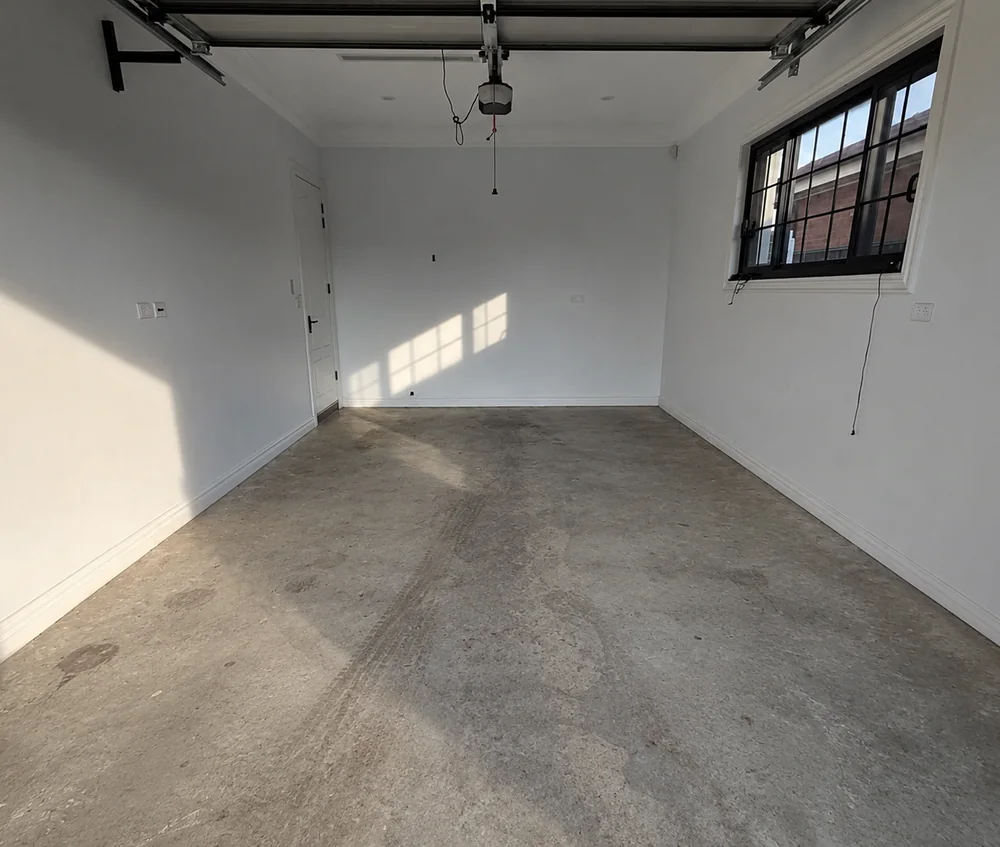

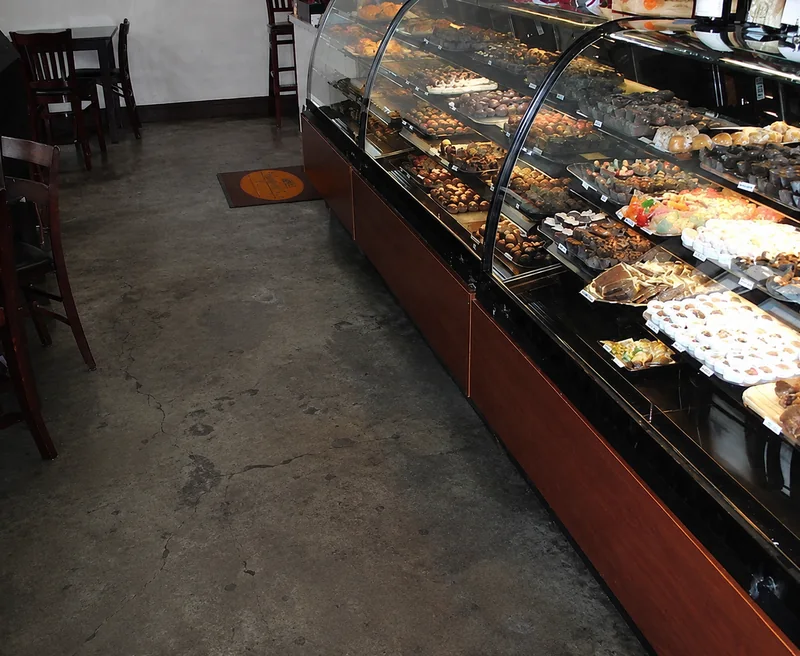

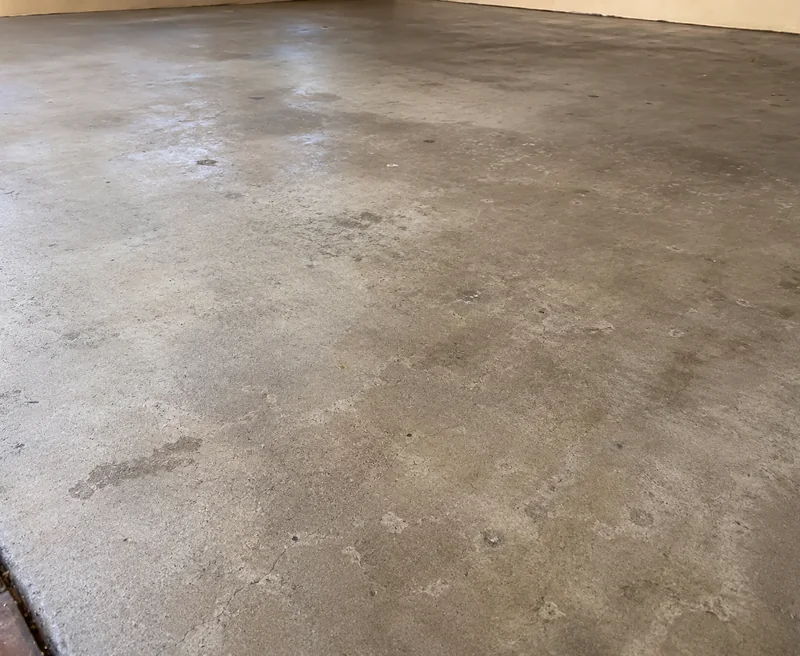

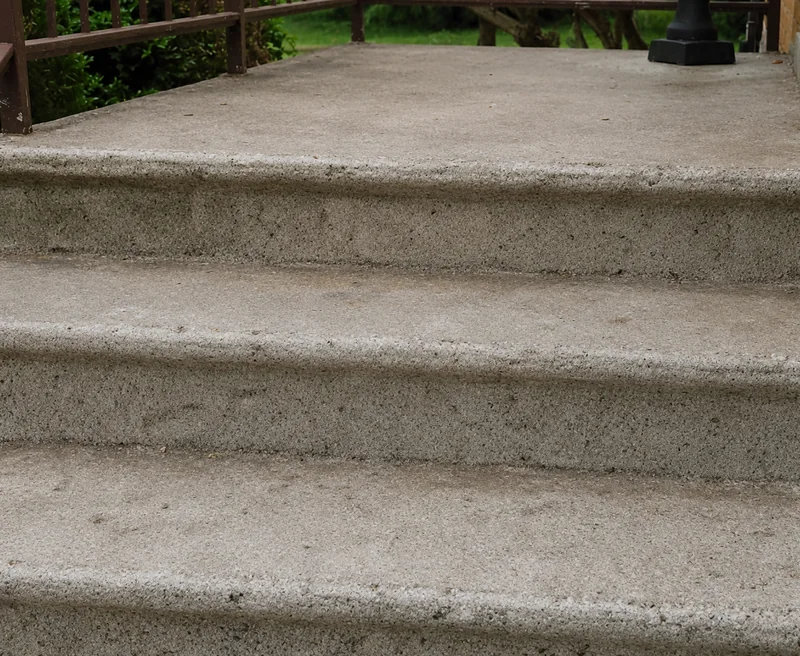
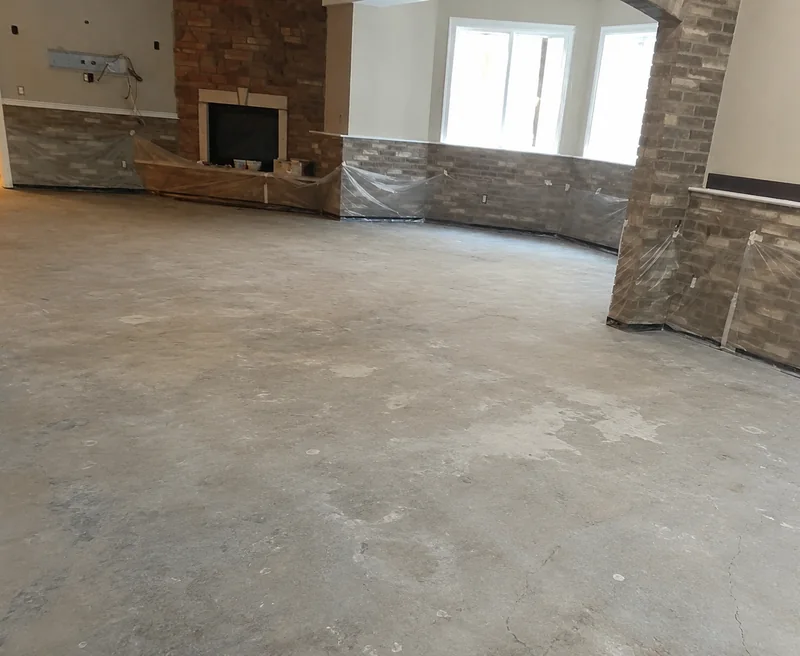

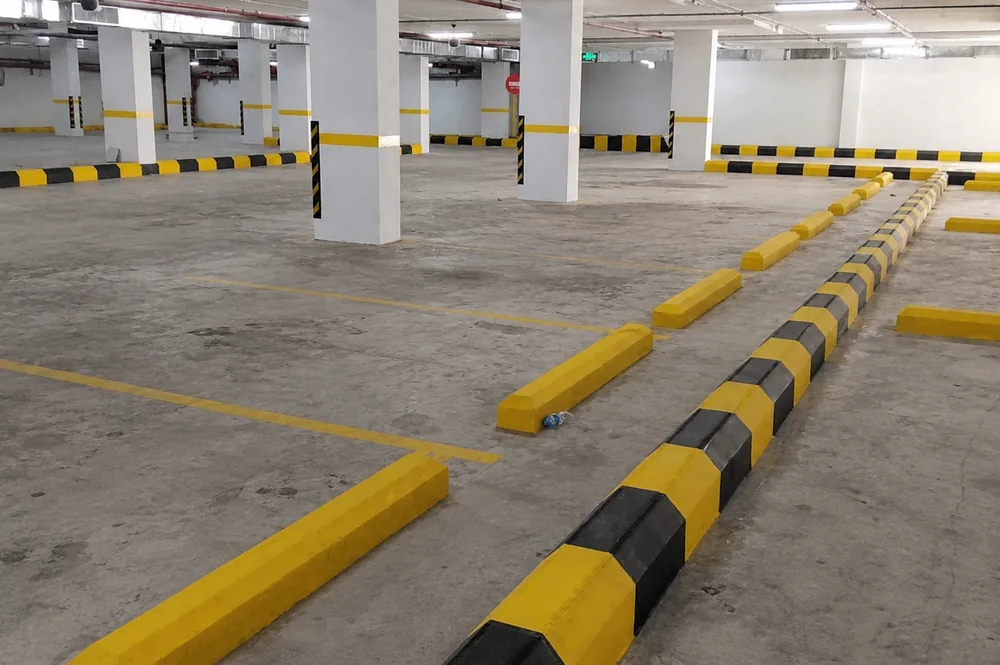

The specification emphasis is existing paint or sealer, adhesion, oil, cracks, surface weakness and the amount of removal required.
Mr Epoxying groups St Albans 3021 with Melbourne’s Western Suburbs service work, approximately 16 km north-west from central Melbourne. In the inner-metropolitan band, established slabs, renovations and active homes or businesses make existing coatings and access important quote variables.
Nearby coverage includes Cairnlea, Kings Park and Albanvale; each location is scoped from its own slab, access and operating requirements.
| Postcode | 3021 |
|---|---|
| Melbourne position | Approximately 16 km north-west of the CBD |
| Regional group | Melbourne’s Western Suburbs |
| Primary scope | Surface preparation focus |
| Nearest linked areas | Cairnlea, Kings Park, Albanvale |
The recommended starting set reflects the local planning profile while leaving the final specification to the actual slab and site programme.
Establish how much paint, sealer, adhesive, contamination or weak surface material must be removed before coating.
Review the full service scope →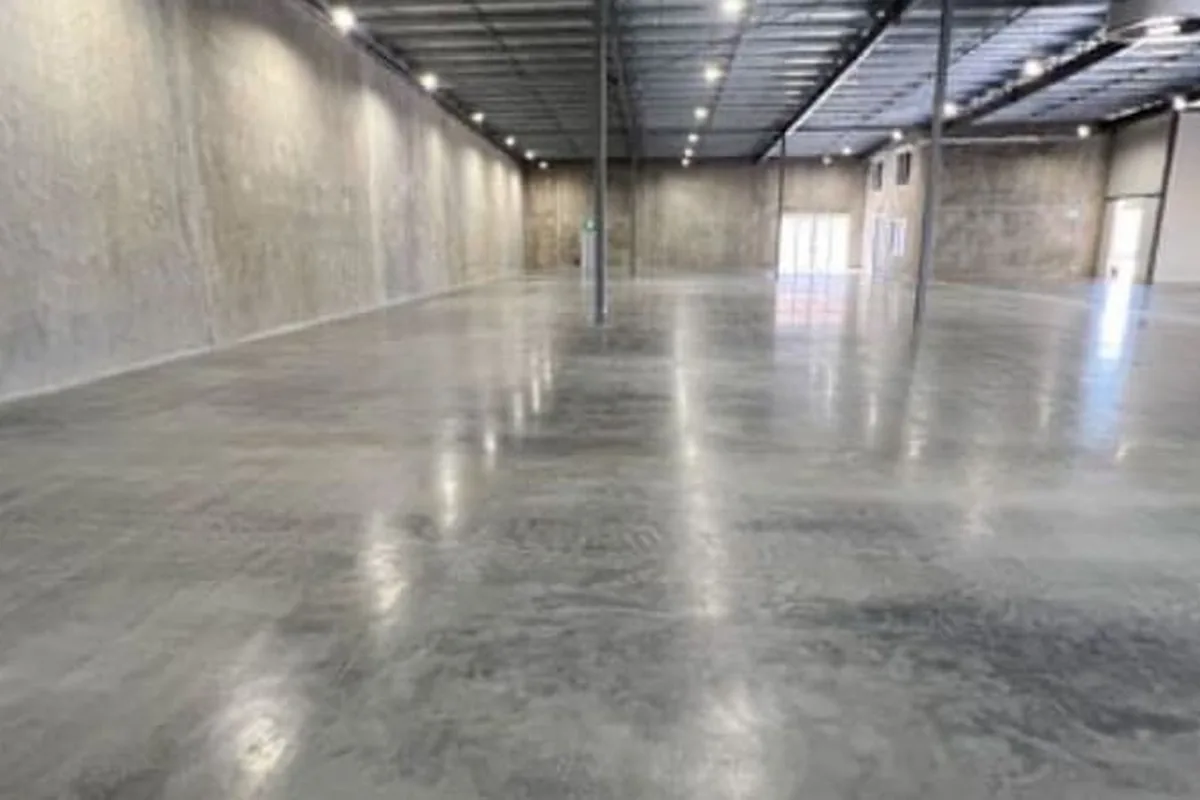
Identify why the existing coating or concrete failed before deciding between a local repair, maintenance coat or full removal.
Review the full service scope →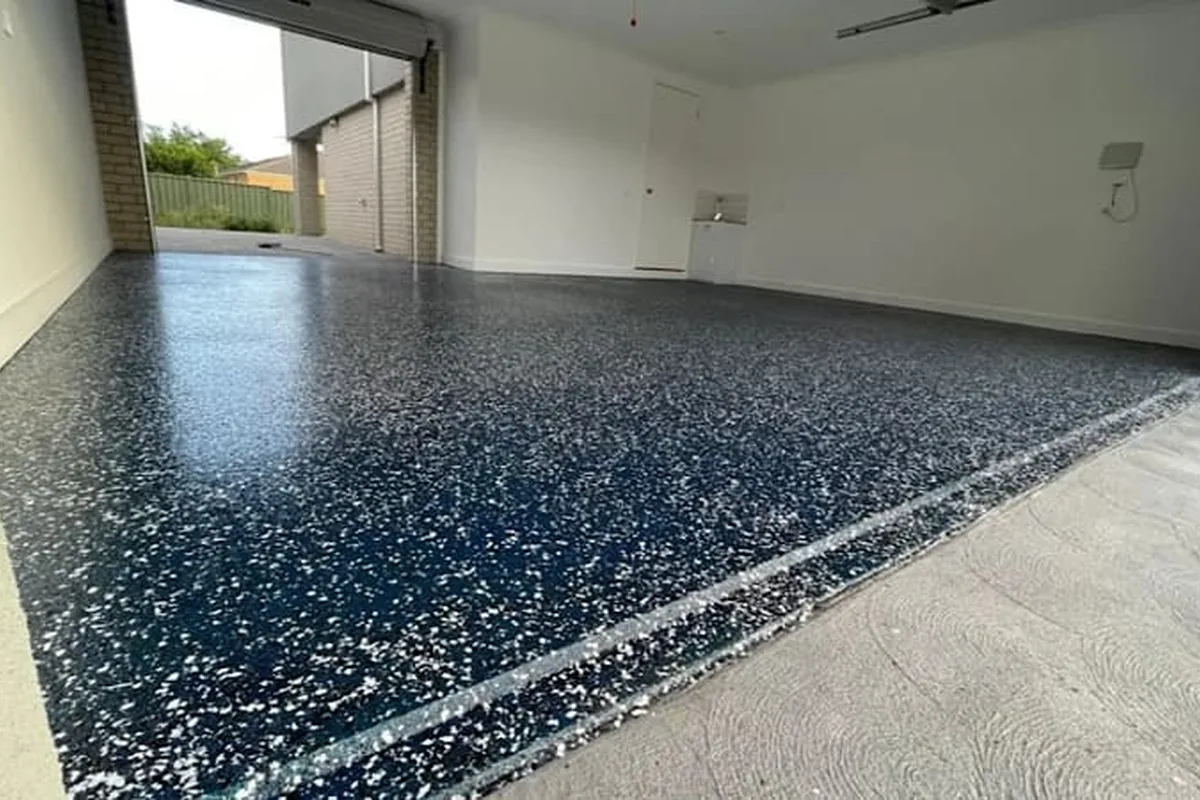
Compare flake and solid systems against tyre use, doorway light, storage and the desired cleaning routine.
Review the full service scope →The inspection should resolve these points early so the written scope does not rely on assumptions hidden beneath the coating.
Dark patches, efflorescence, damp edges or below-grade concrete can indicate moisture conditions that affect adhesion and coating choice.
Quote cue: Mention any history of dampness, flooding or water entry.
Ponding, leaking thresholds, wash-down and poor falls should be understood before texture and coating are specified.
Quote cue: Show drains, low points and the direction water travels.
Paint, acrylic sealer, old epoxy or adhesive can change the grinding effort and may conceal weak adhesion beneath the visible surface.
Quote cue: Photograph peeling edges and identify any previous coating if known.
Static cracks, construction joints and moving defects require different treatment; a rigid coating cannot stop structural movement.
Quote cue: Send close-ups with a ruler or coin for scale.
The matrix converts surface preparation focus into four quote decisions: floor use, evidence required, preparation response and coating build.
| Application or inspection focus | Information required | Specification response |
|---|---|---|
| Oil-marked workshop | Embedded contamination and local damage | Decontamination assessment, deeper grinding and repair scope |
| Cracked slab | Crack pattern, joints and movement | Defect classification, repair limits and coating compatibility |
| Painted garage | Unknown paint, peeling and tyre areas | Coating removal, concrete assessment and compatible rebuild |
| Inspection priority: Moisture and vapour risk | Mention any history of dampness, flooding or water entry. | Confirm alongside water, drainage and wet exposure before fixing the concrete grinding & preparation build |
Grinding, extraction, repairs and coating cannot be compressed into a generic one-day promise without considering the actual system and conditions.
Dark patches, efflorescence, damp edges or below-grade concrete can indicate moisture conditions that affect adhesion and coating choice. Paint, acrylic sealer, old epoxy or adhesive can change the grinding effort and may conceal weak adhesion beneath the visible surface.
The agreed sequence covers substrate verification, removal and repairs, mechanical profiling, cleaning, coating stages and protected cure. Pedestrian, storage, vehicle and operational handover times are stated separately where the system requires them.
It is often a practical option because it adds visual texture and can disguise normal dust or marks, but preparation, tyre use, sunlight and topcoat selection still determine the final scope.
Cracks and joints are assessed by type. Static defects may be repairable within the coating scope, while moving or structural cracks can reappear and need clearly stated limitations.
Vehicle access depends on the complete coating system, temperature and site conditions. The written scope should distinguish pedestrian cure from vehicle cure.
Use a method suited to the chosen texture and topcoat. Smooth finishes are easier to mop, while textured floors may require scrubbing to release dirt.
Sometimes, but colour, age, gloss and existing wear can make a patch visible. Widespread failure may be better handled by broader removal and recoating.
The distances below are calculated from the suburb coordinates in the location dataset and help organise nearby inspection runs; final travel depends on the project address.
View the full Melbourne’s Western Suburbs service region →
Suburb-level coverage does not replace site information; the quote still requires the address, access, dimensions, photographs and intended use.