
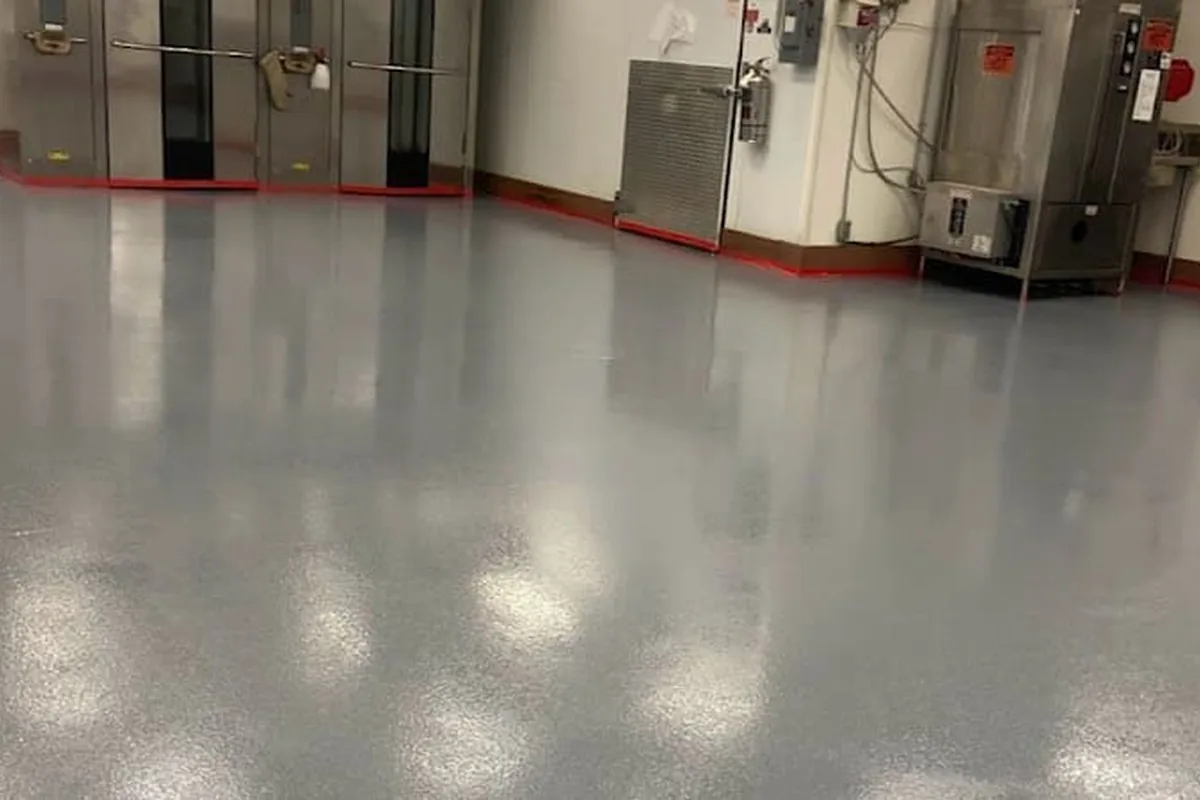
Wet-area and traction focus
Non-Slip Epoxy Flooring
Balance wet traction with cleanability by matching texture to contaminants, footwear, gradients and cleaning equipment.
Review the full service scope →Non-Slip Epoxy Flooring and epoxy flooring in Sandringham 3191, with grinding, repairs and system selection matched to the floor’s actual use.
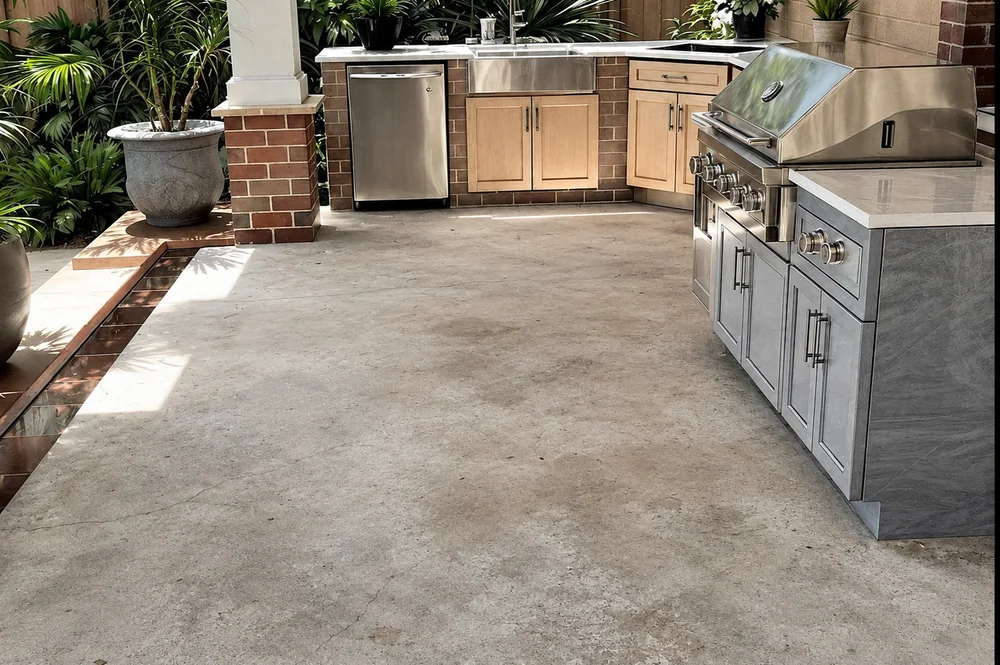

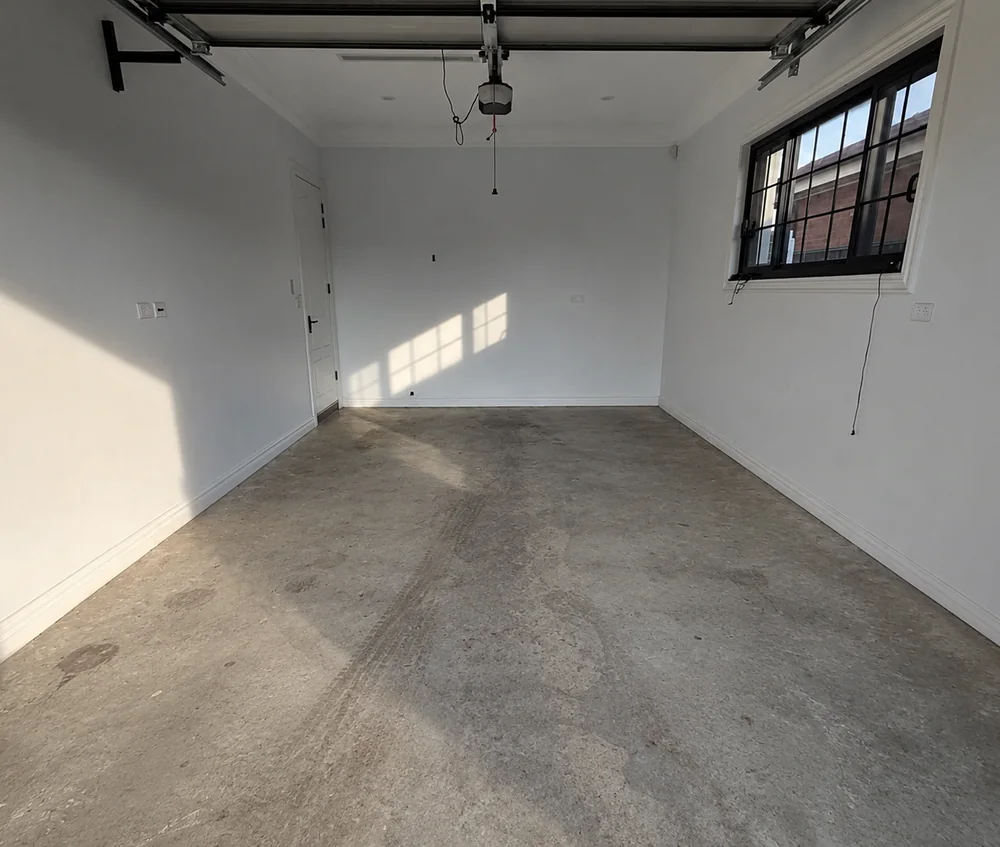

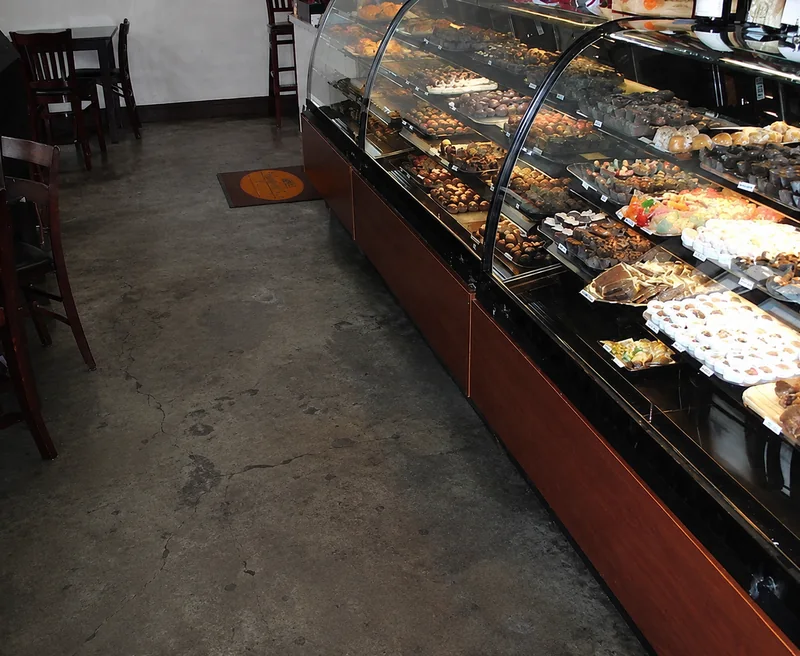

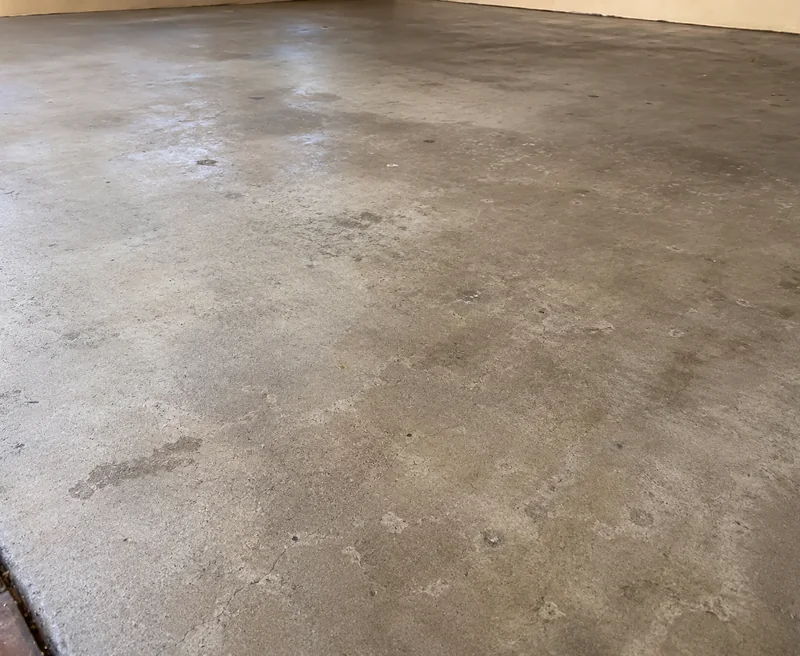

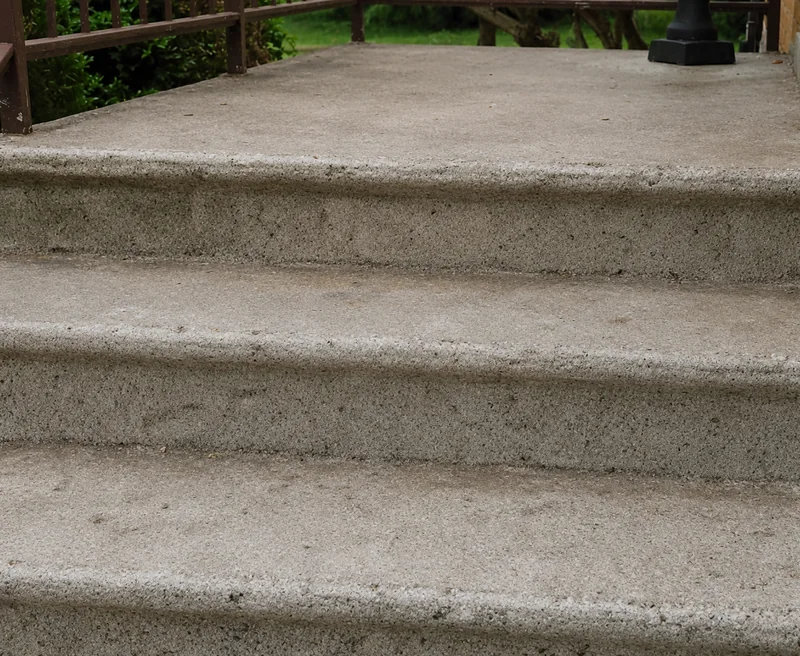
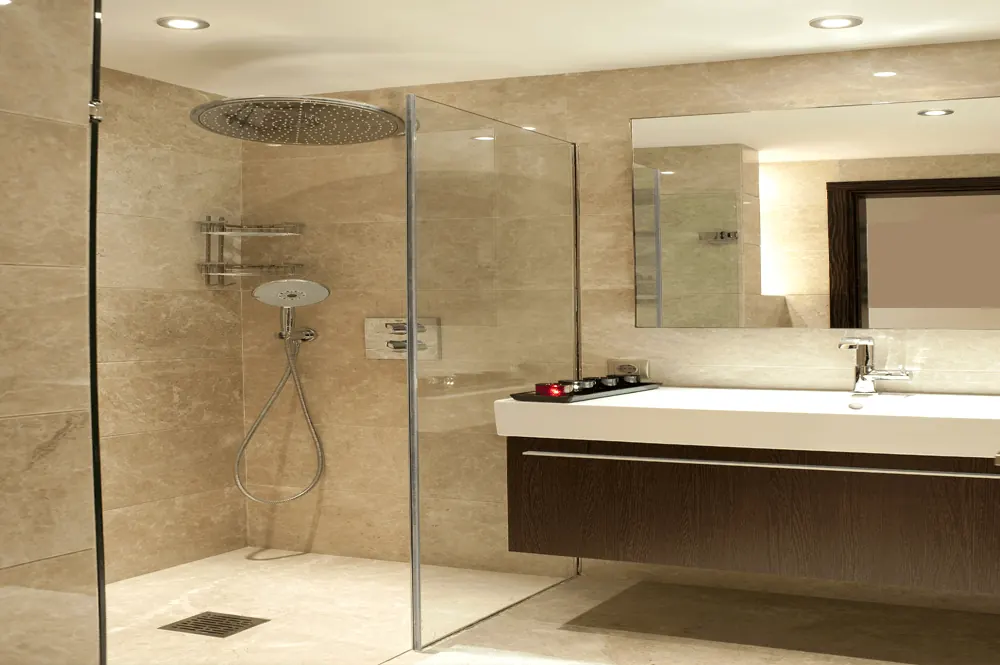
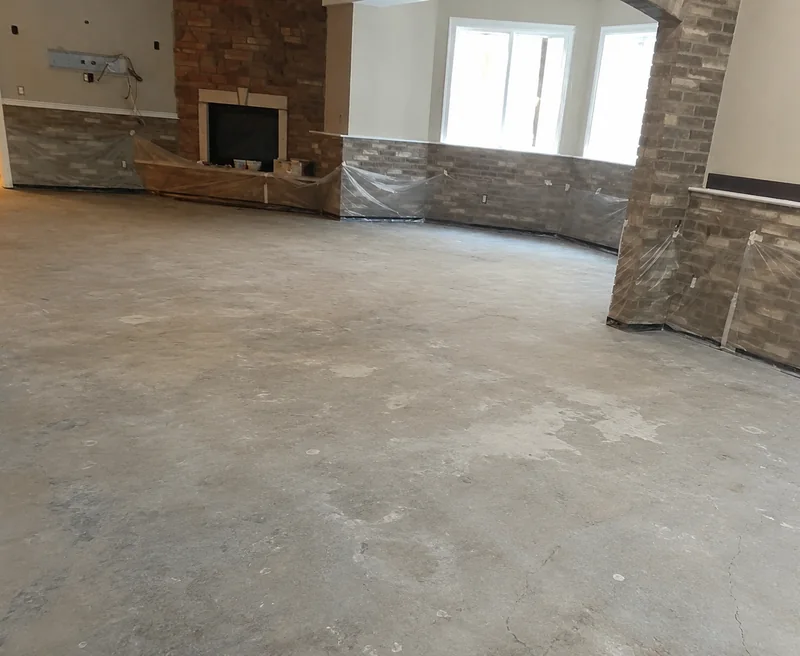

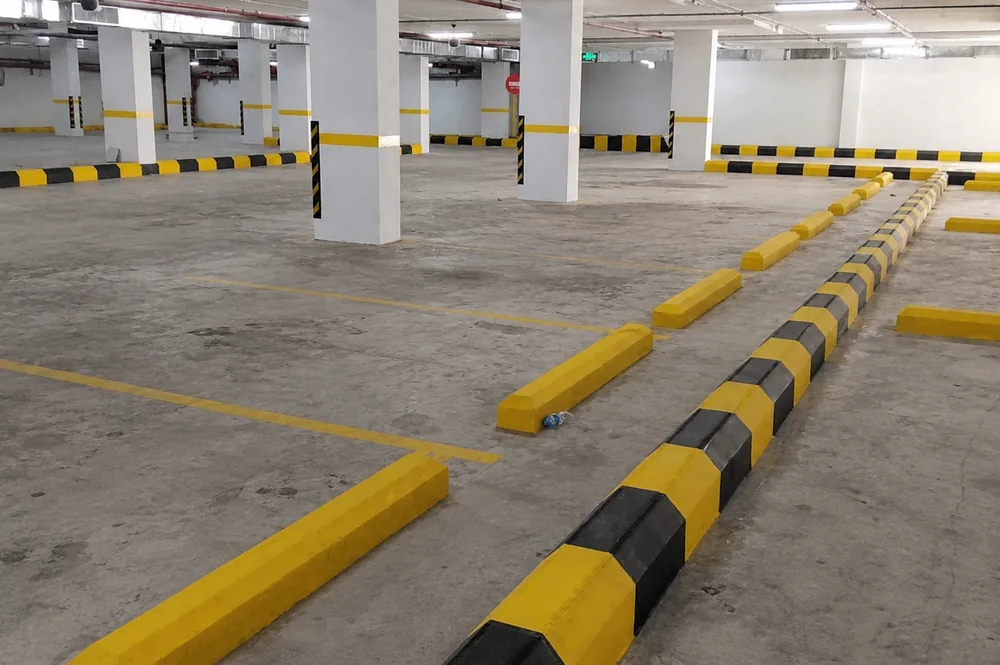

The specification emphasis is wetness, gradients, footwear, cleaning method, drainage and the balance between traction and cleanability.
For service planning, Sandringham sits in the South-East Melbourne group, roughly 16 km south of the CBD. Across the middle-metropolitan band, enquiries can range from family garages to workshops and business units, so the floor use should lead the specification.
Nearby coverage includes Hampton, Black Rock and Highett; each location is scoped from its own slab, access and operating requirements.
| Postcode | 3191 |
|---|---|
| Melbourne position | Approximately 16 km south of the CBD |
| Regional group | South-East Melbourne |
| Primary scope | Wet-area and traction focus |
| Nearest linked areas | Hampton, Black Rock, Highett |
The shortlist is weighted toward wet-area and traction focus; the inspection confirms whether substrate condition or operating demands require a different build.
Balance wet traction with cleanability by matching texture to contaminants, footwear, gradients and cleaning equipment.
Review the full service scope →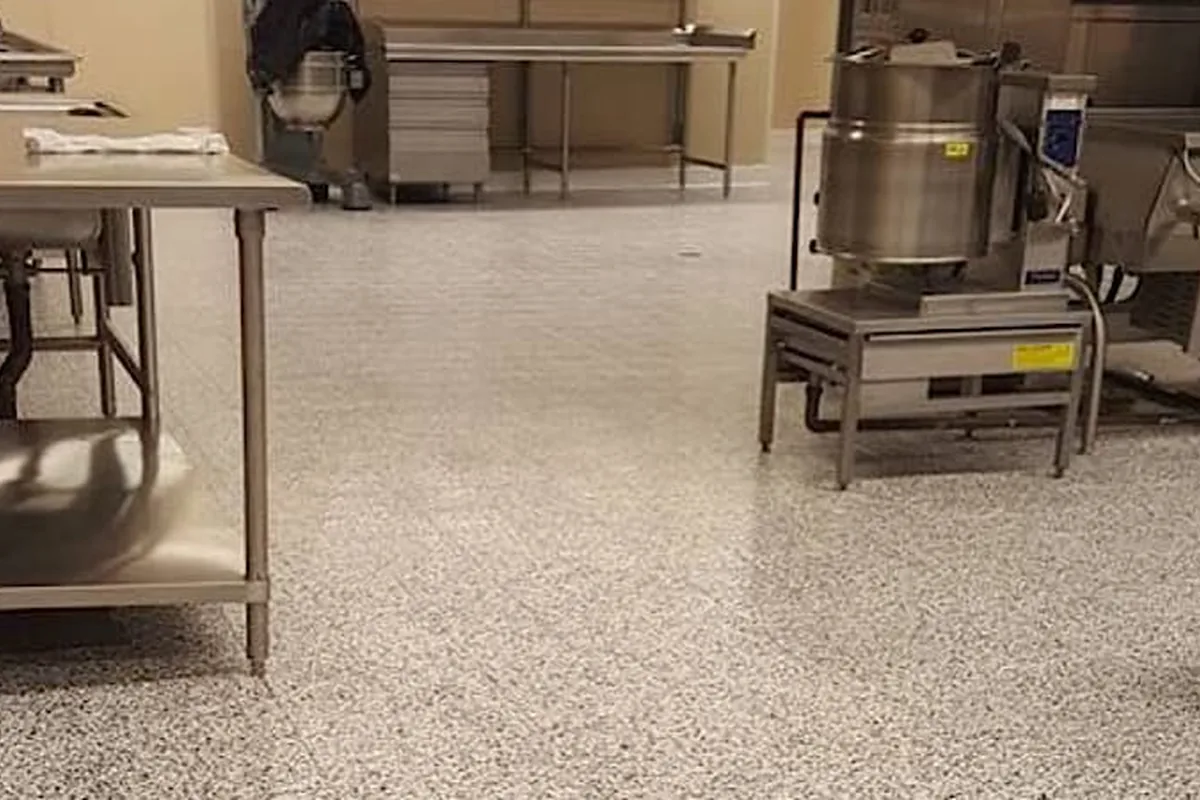
Define public access, cleaning, wetness, presentation and the maximum shutdown period before selecting the build.
Review the full service scope →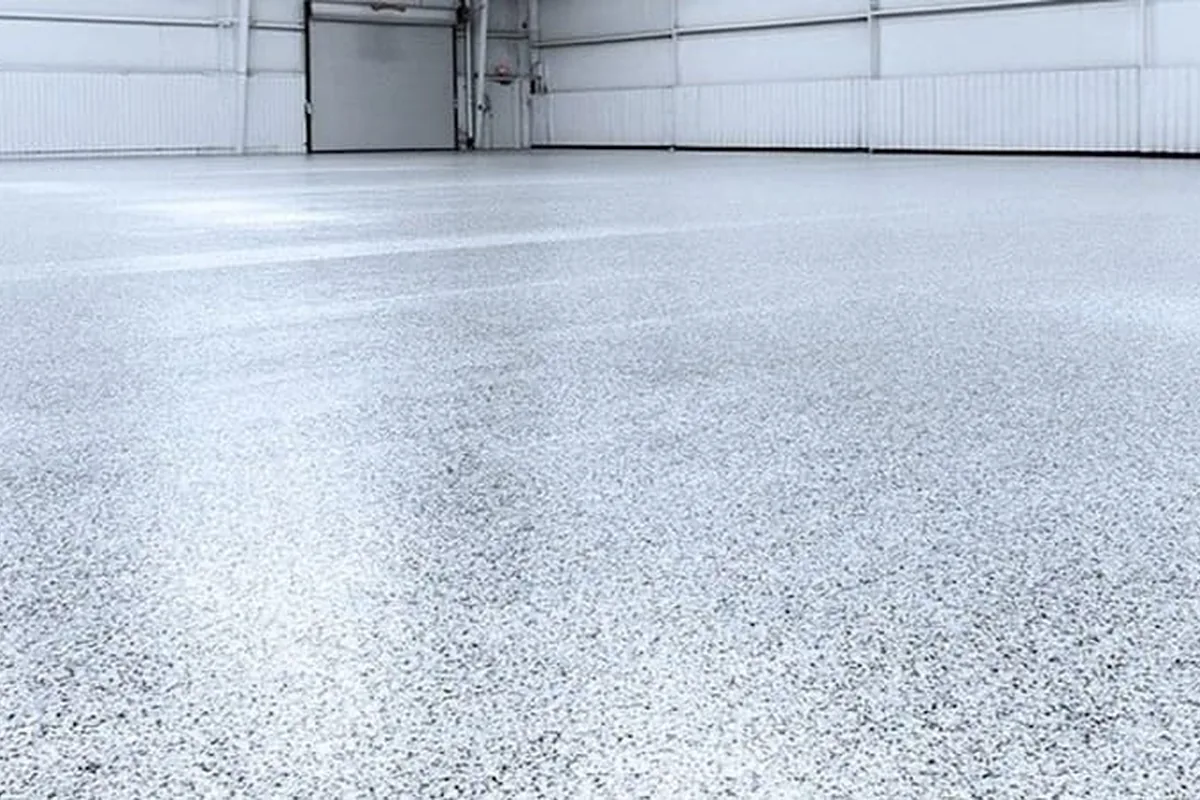
Specify around loads, turning traffic, impact, oils, chemicals, wash-down and staged handover requirements.
Review the full service scope →These conditions are documented before the decorative finish is locked in because they can change both labour and material requirements.
Recent concrete needs sufficient cure time and assessment for moisture, curing compounds, densifiers and construction residue.
Quote cue: Provide the pour date or handover date where available.
Foot traffic, vehicle turns, pallet jacks, forklifts and dropped tools create different loading patterns and system requirements.
Quote cue: Describe the heaviest normal use and how often it occurs.
A more aggressive non-slip profile can improve traction but also holds more dirt and usually needs stronger mechanical cleaning.
Quote cue: State whether the floor is swept, mopped, scrubbed or pressure cleaned.
Vehicle bays and workshops can hold oil, tyre residue or silicone contamination that must be assessed before a coating system is selected.
Quote cue: Mark the darkest or most frequently parked areas in the photos.
Each row links a real operating condition to the corresponding preparation or coating response.
| Application or inspection focus | Information required | Specification response |
|---|---|---|
| Wet work zone | Water, contaminants, footwear and drains | Texture selection, edge detail and cleaning plan |
| Ramp or entry | Gradient, weather and traffic direction | Targeted aggregate profile and compatible coating build |
| Wash-down area | Ponding, chemicals and scrub method | Drainage review, traction and maintainability balance |
| Inspection priority: Concrete age and curing | Provide the pour date or handover date where available. | Confirm alongside traffic, turning and impact before fixing the non-slip epoxy flooring build |
The quote should distinguish active labour time from cure time and identify when pedestrian, storage, vehicle or operational access can resume.
Recent concrete needs sufficient cure time and assessment for moisture, curing compounds, densifiers and construction residue. A more aggressive non-slip profile can improve traction but also holds more dirt and usually needs stronger mechanical cleaning.
The agreed sequence covers substrate verification, removal and repairs, mechanical profiling, cleaning, coating stages and protected cure. Pedestrian, storage, vehicle and operational handover times are stated separately where the system requires them.
Send the suburb, approximate dimensions, wide photos, close-ups of cracks or contamination, the current surface, intended use and the date the area must return to service.
Common causes include insufficient preparation, moisture, contamination, weak concrete, incompatible existing coatings and returning the floor to service too early.
Use a method suited to the chosen texture and topcoat. Smooth finishes are easier to mop, while textured floors may require scrubbing to release dirt.
Sometimes, but colour, age, gloss and existing wear can make a patch visible. Widespread failure may be better handled by broader removal and recoating.
Yes. They are scoped separately because preparation, traffic, texture, operating hours and return-to-service requirements can differ considerably.
Grouping nearby inspections can improve scheduling, although floor area, equipment requirements and cure windows remain the main job-planning factors.
View the full South-East Melbourne service region →
Suburb-level coverage does not replace site information; the quote still requires the address, access, dimensions, photographs and intended use.