
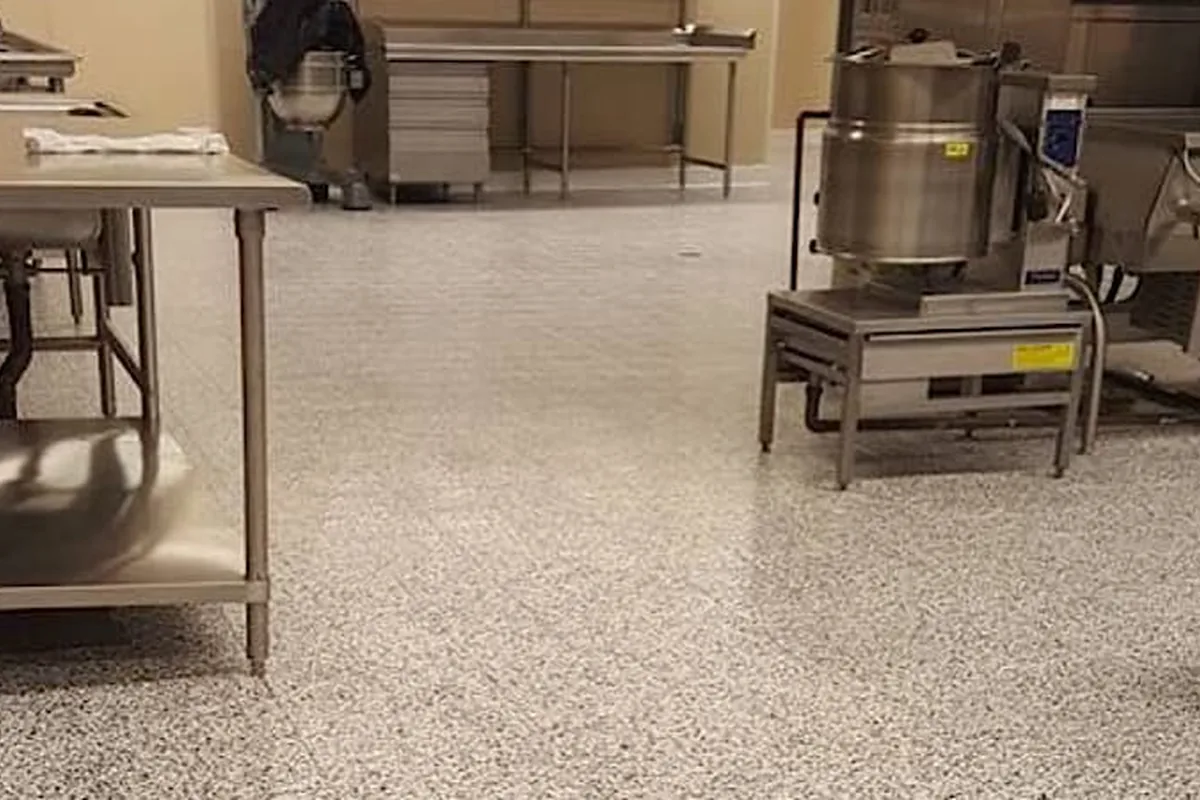
Commercial floor focus
Commercial Epoxy Flooring
Define public access, cleaning, wetness, presentation and the maximum shutdown period before selecting the build.
Review the full service scope →Commercial Epoxy Flooring and epoxy flooring in Princes Hill 3054, with grinding, repairs and system selection matched to the floor’s actual use.
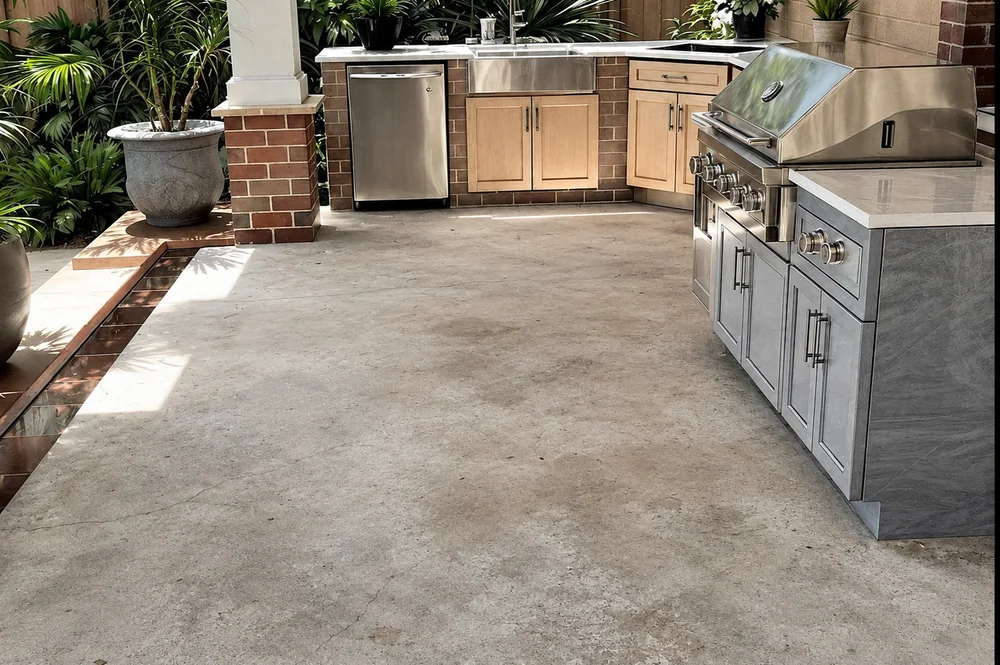

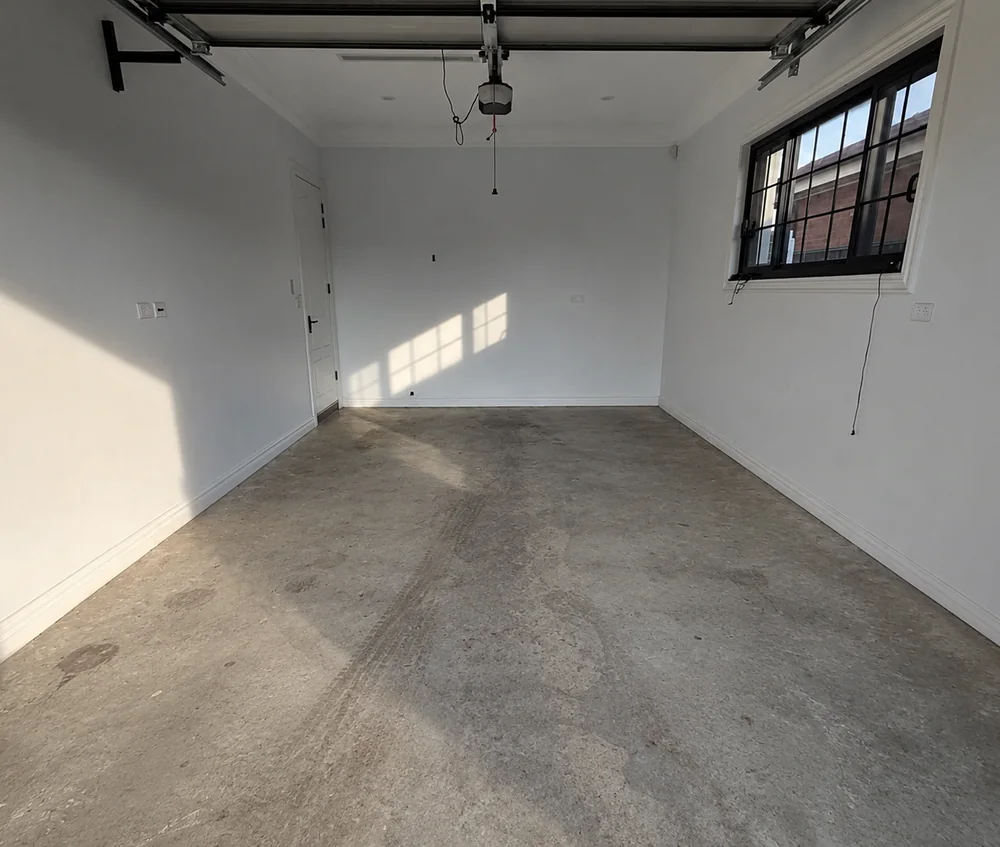

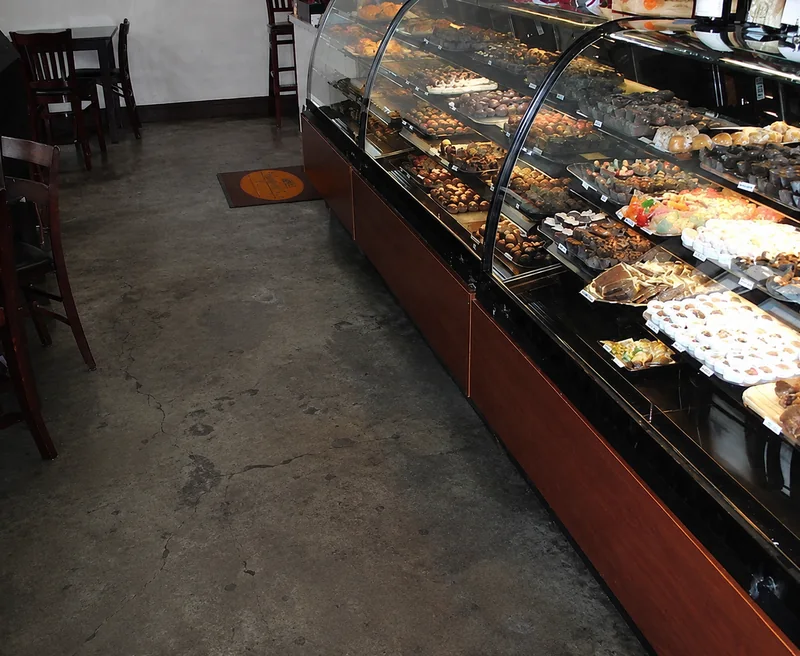

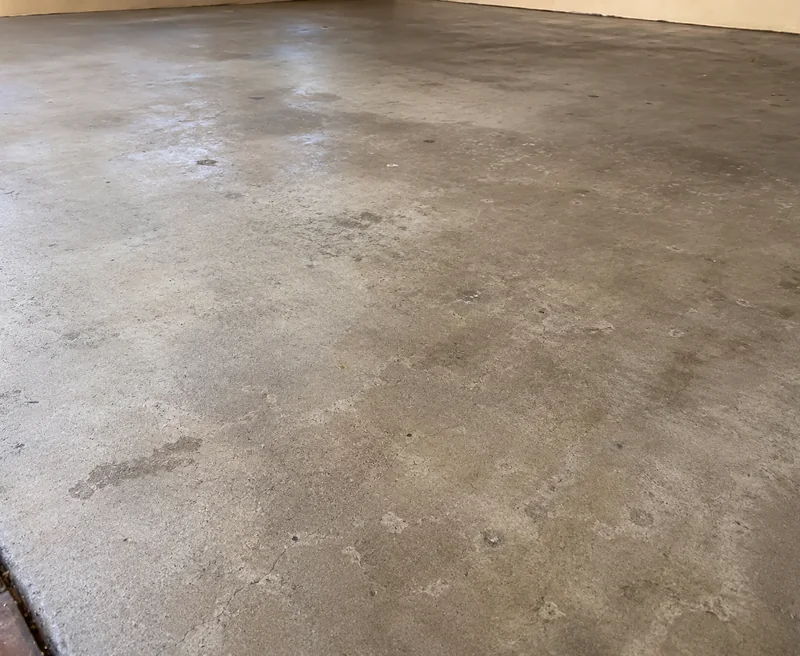

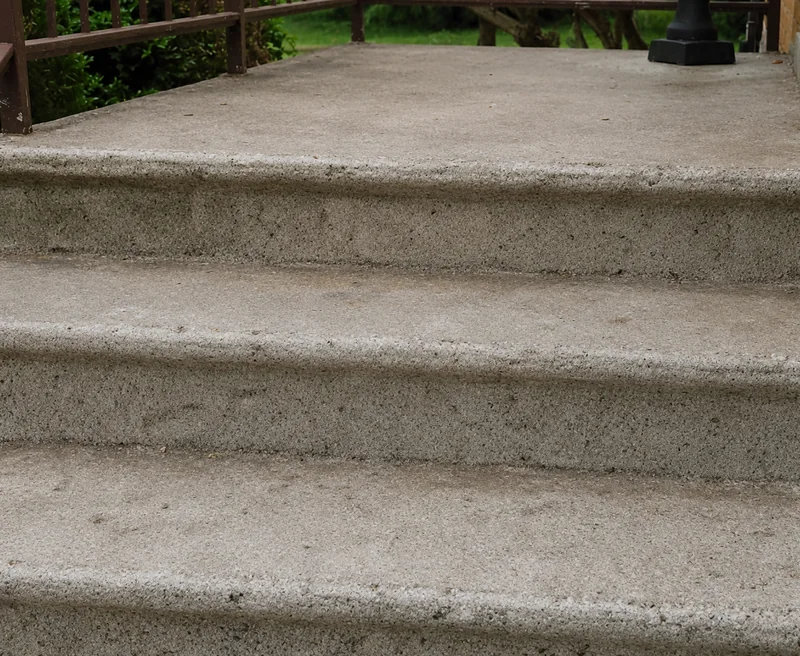
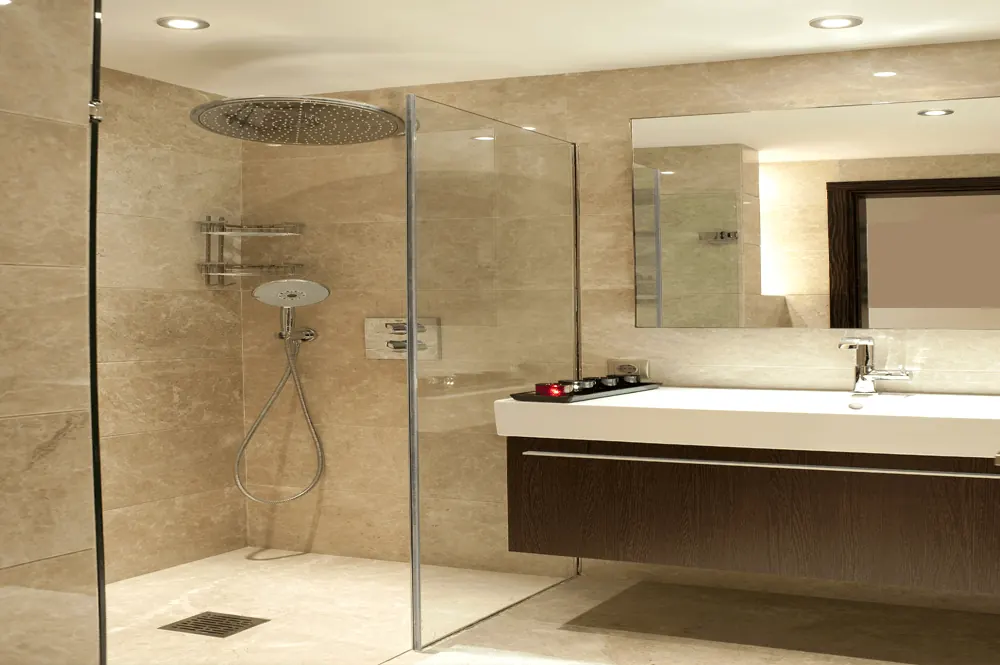
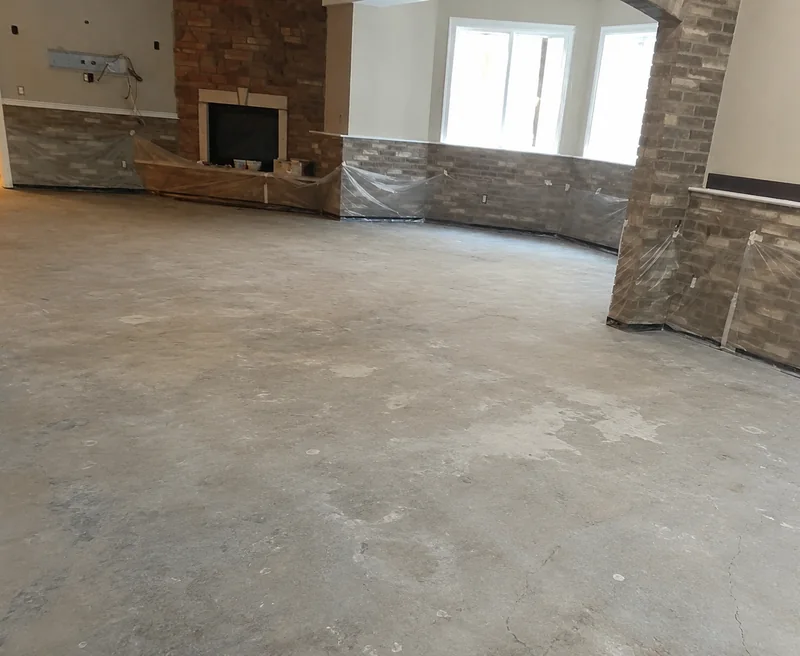

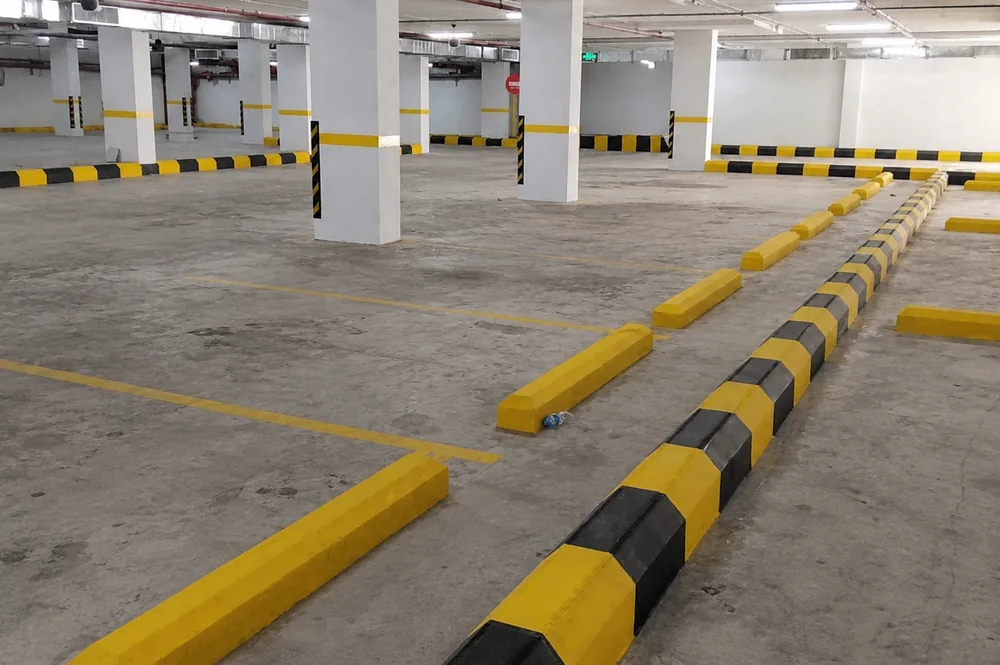

The specification emphasis is public access, cleaning frequency, wetness, slip profile, presentation and return-to-service timing.
The service area covers Princes Hill 3054, positioned about 4 km north of Melbourne’s centre within Inner Melbourne. Within the inner-city band, planning commonly centres on restricted access, shared buildings, ventilation and short operating windows.
Nearby coverage includes Parkville, Brunswick and Carlton; each location is scoped from its own slab, access and operating requirements.
| Postcode | 3054 |
|---|---|
| Melbourne position | Approximately 4 km north of the CBD |
| Regional group | Inner Melbourne |
| Primary scope | Commercial floor focus |
| Nearest linked areas | Parkville, Brunswick, Carlton |
For this location profile, the initial comparison centres on Commercial Epoxy Flooring, Non-Slip Epoxy Flooring and Concrete Grinding & Preparation.
Define public access, cleaning, wetness, presentation and the maximum shutdown period before selecting the build.
Review the full service scope →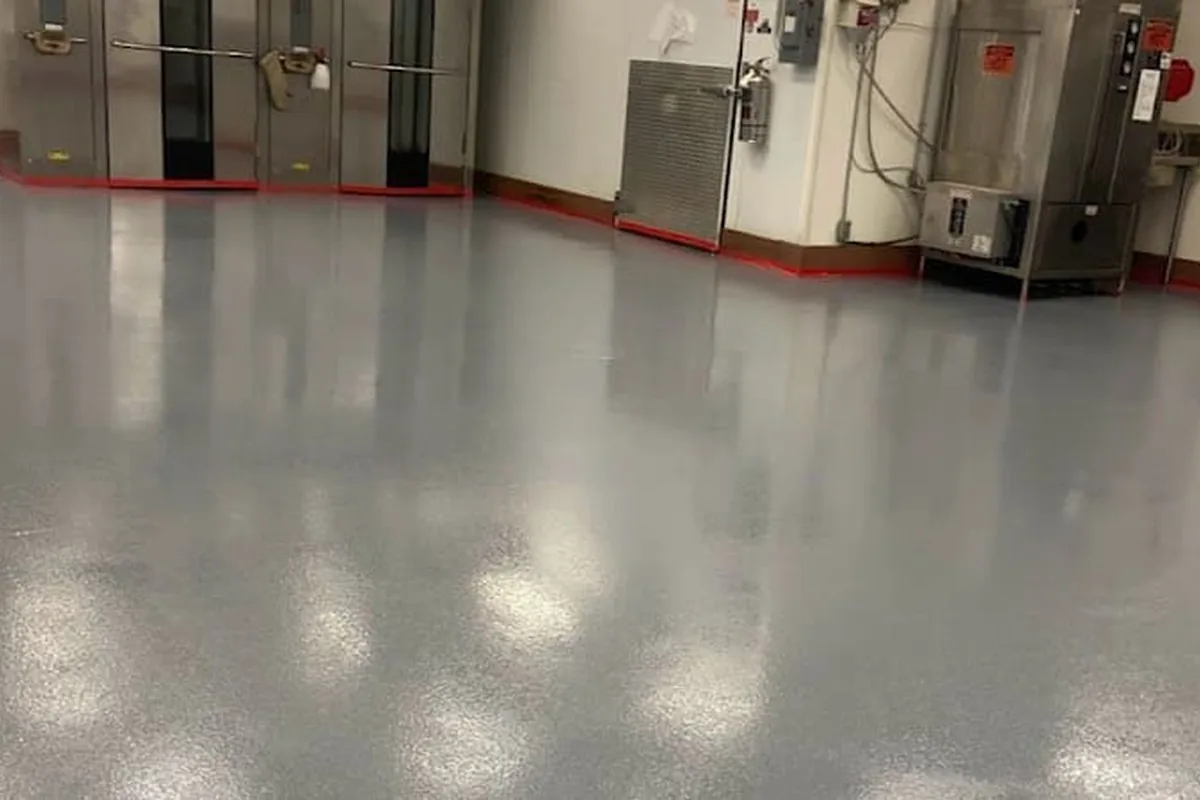
Balance wet traction with cleanability by matching texture to contaminants, footwear, gradients and cleaning equipment.
Review the full service scope →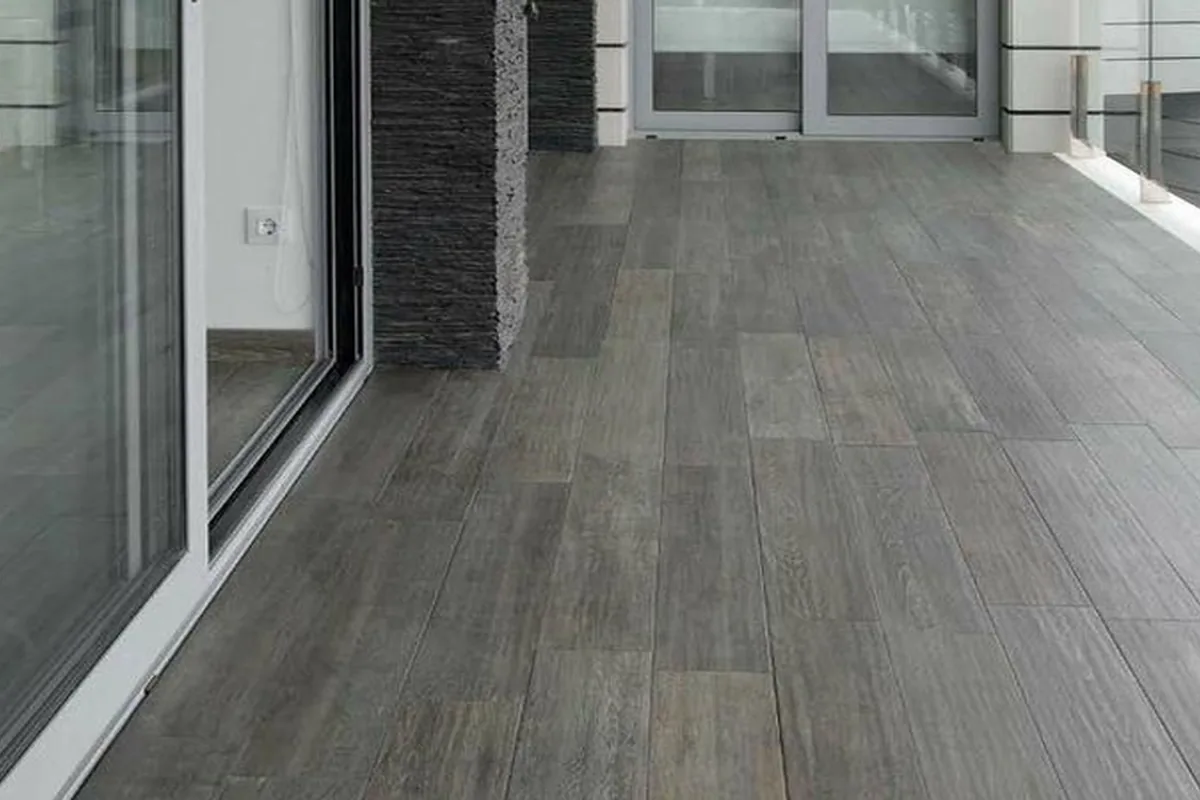
Establish how much paint, sealer, adhesive, contamination or weak surface material must be removed before coating.
Review the full service scope →Each item can alter adhesion risk, installation sequencing or the earliest safe return-to-service date.
Foot traffic, vehicle turns, pallet jacks, forklifts and dropped tools create different loading patterns and system requirements.
Quote cue: Describe the heaviest normal use and how often it occurs.
A more aggressive non-slip profile can improve traction but also holds more dirt and usually needs stronger mechanical cleaning.
Quote cue: State whether the floor is swept, mopped, scrubbed or pressure cleaned.
Paint, acrylic sealer, old epoxy or adhesive can change the grinding effort and may conceal weak adhesion beneath the visible surface.
Quote cue: Photograph peeling edges and identify any previous coating if known.
Dark patches, efflorescence, damp edges or below-grade concrete can indicate moisture conditions that affect adhesion and coating choice.
Quote cue: Mention any history of dampness, flooding or water entry.
Each row links a real operating condition to the corresponding preparation or coating response.
| Application or inspection focus | Information required | Specification response |
|---|---|---|
| Retail or showroom | Presentation, foot traffic and public reopening | Smooth preparation, chosen sheen and controlled cure window |
| Back-of-house area | Cleaning, spills, carts and wetness | Texture and build matched to maintenance demands |
| Commercial unit | Mixed foot and vehicle use | Zoned preparation, repairs and application sequencing |
| Inspection priority: Traffic, turning and impact | Describe the heaviest normal use and how often it occurs. | Confirm alongside cleaning and texture balance before fixing the commercial epoxy flooring build |
A workable sequence starts with clear access, followed by defect treatment, mechanical preparation, coating stages and protected cure.
Foot traffic, vehicle turns, pallet jacks, forklifts and dropped tools create different loading patterns and system requirements. Paint, acrylic sealer, old epoxy or adhesive can change the grinding effort and may conceal weak adhesion beneath the visible surface.
The agreed sequence covers substrate verification, removal and repairs, mechanical profiling, cleaning, coating stages and protected cure. Pedestrian, storage, vehicle and operational handover times are stated separately where the system requires them.
Send the suburb, approximate dimensions, wide photos, close-ups of cracks or contamination, the current surface, intended use and the date the area must return to service.
Cracks and joints are assessed by type. Static defects may be repairable within the coating scope, while moving or structural cracks can reappear and need clearly stated limitations.
Use a method suited to the chosen texture and topcoat. Smooth finishes are easier to mop, while textured floors may require scrubbing to release dirt.
The source and severity should be investigated before coating. Depending on the condition, the specification may change or the floor may not be suitable until the moisture issue is addressed.
Yes. They are scoped separately because preparation, traffic, texture, operating hours and return-to-service requirements can differ considerably.
Grouping nearby inspections can improve scheduling, although floor area, equipment requirements and cure windows remain the main job-planning factors.
View the full Inner Melbourne service region →
Use the map to confirm the location, then provide the exact site details privately through the quote form.