
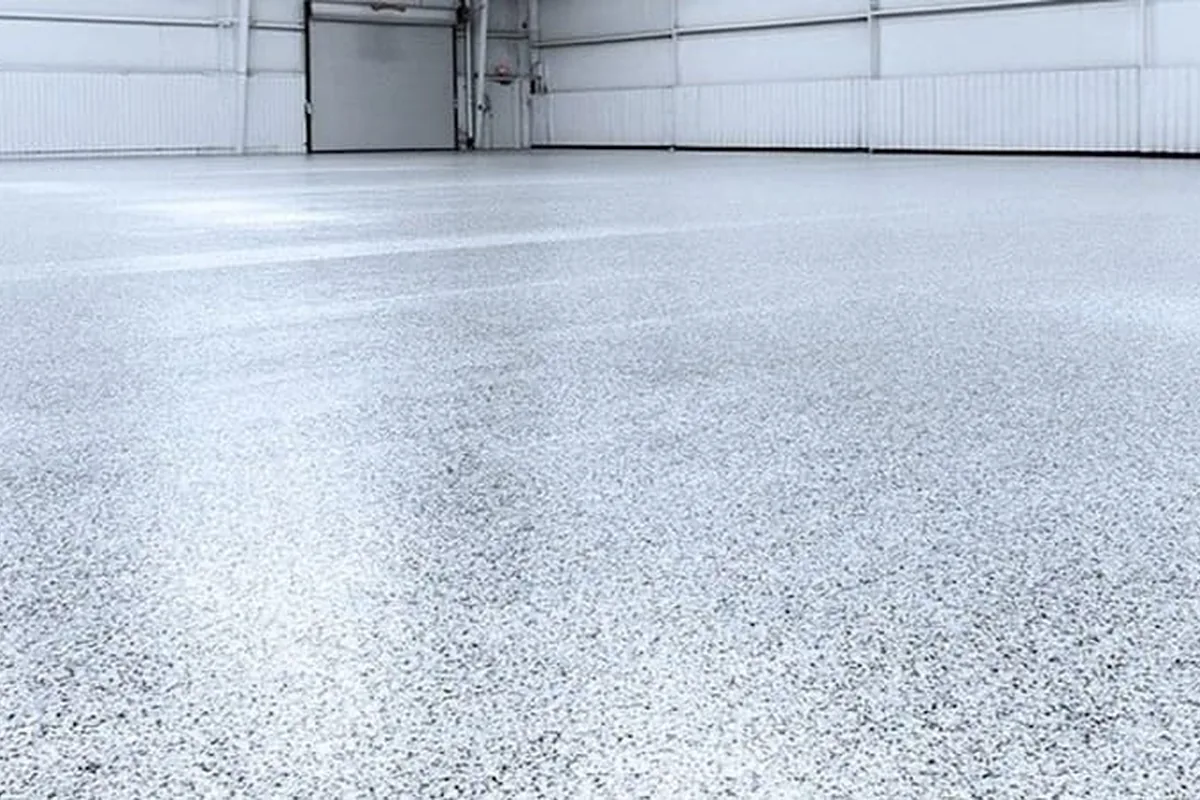
Industrial and workshop focus
Industrial Epoxy Flooring
Specify around loads, turning traffic, impact, oils, chemicals, wash-down and staged handover requirements.
Review the full service scope →Industrial Epoxy Flooring and epoxy flooring in Melton 3337, with grinding, repairs and system selection matched to the floor’s actual use.
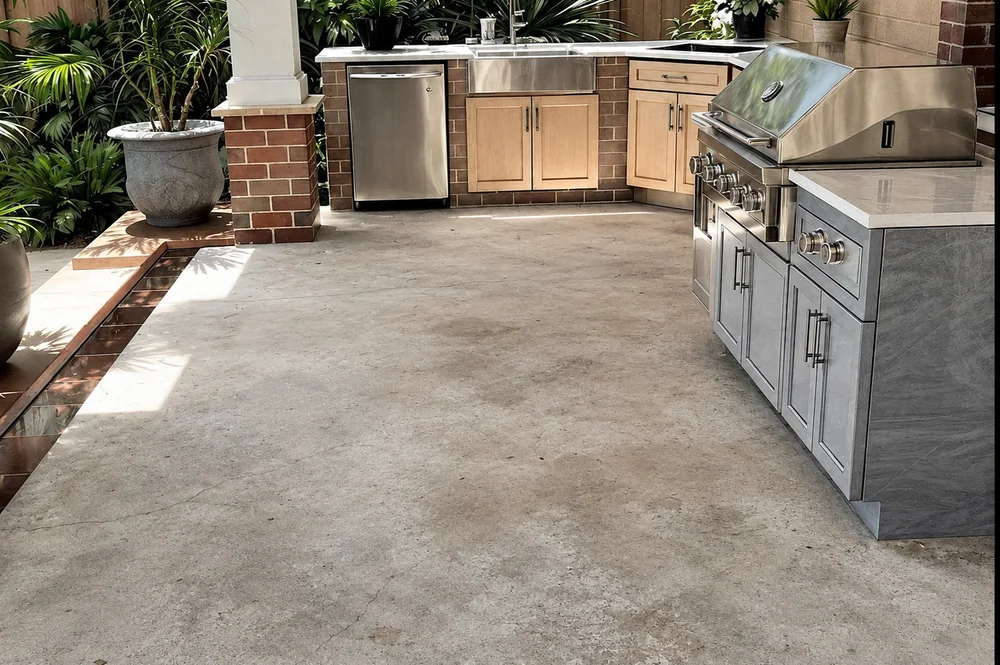

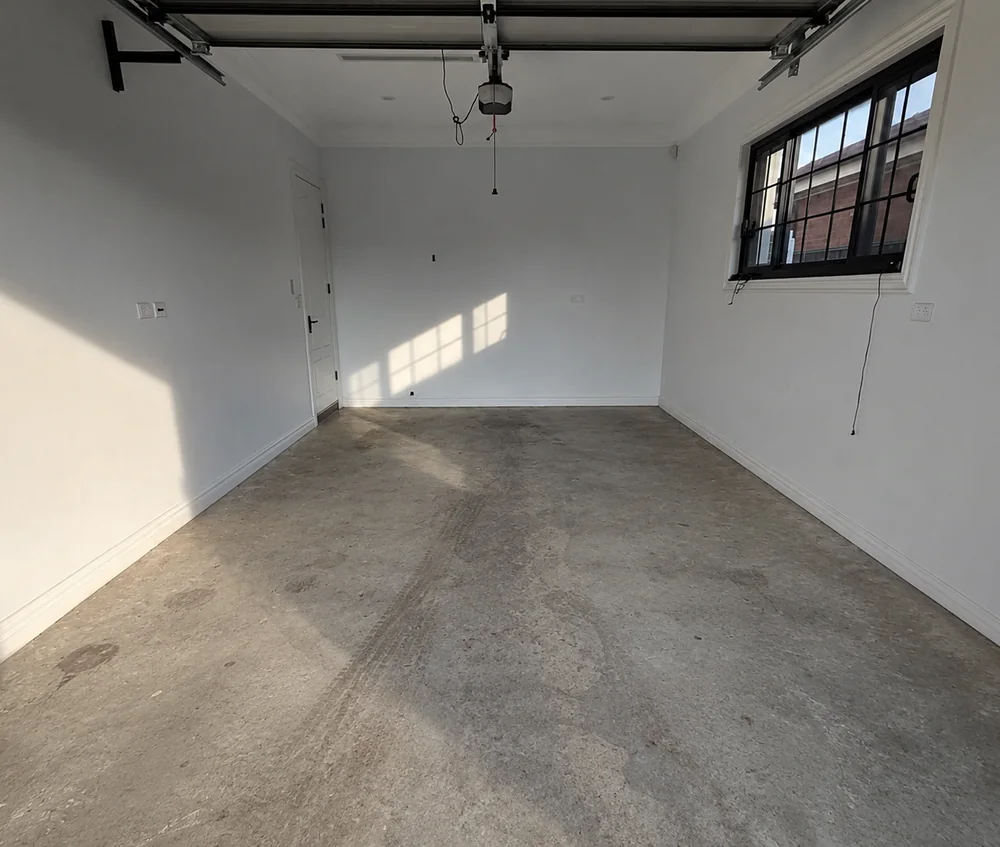

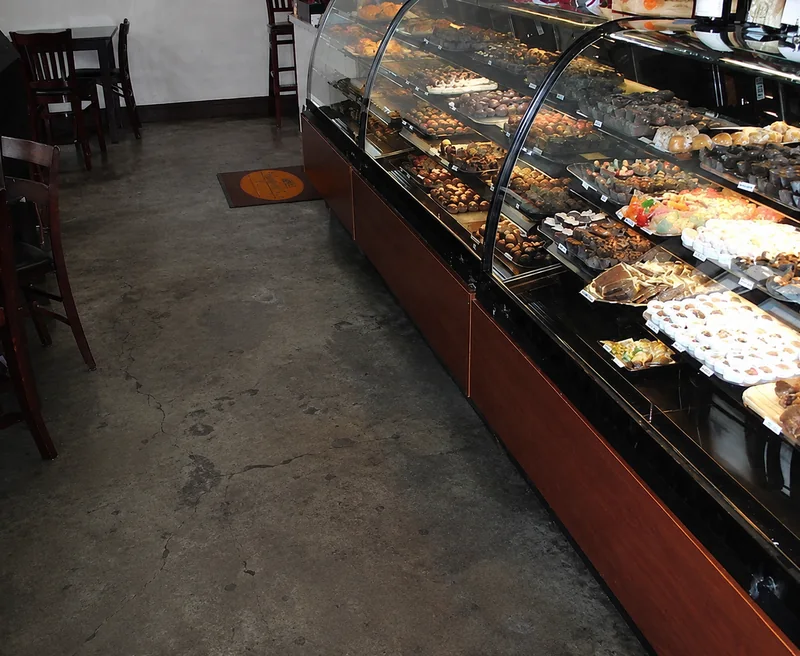


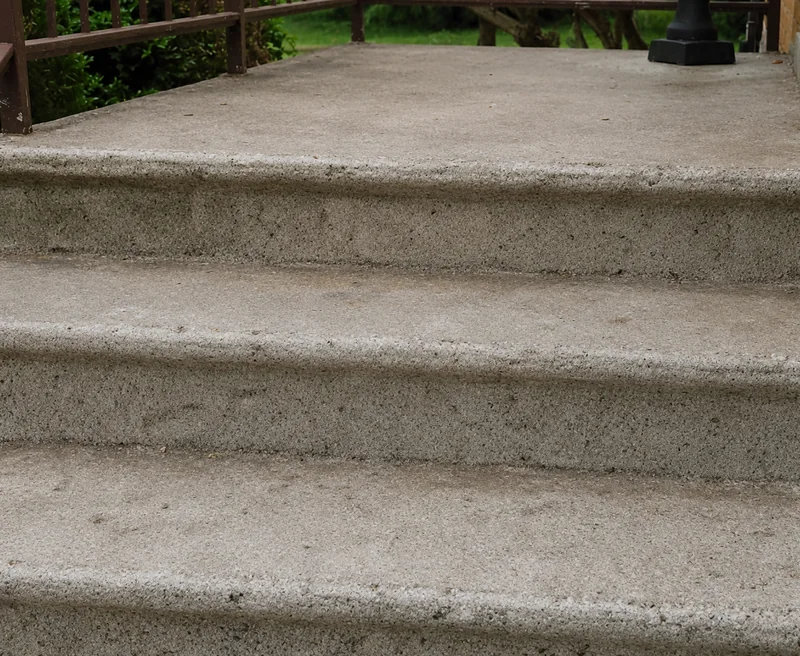
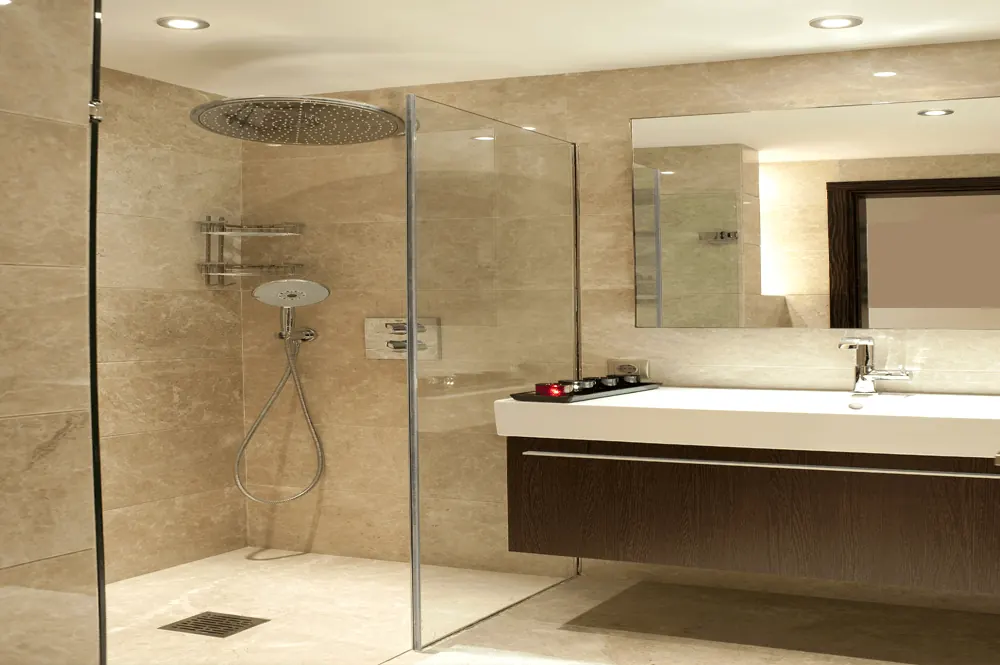
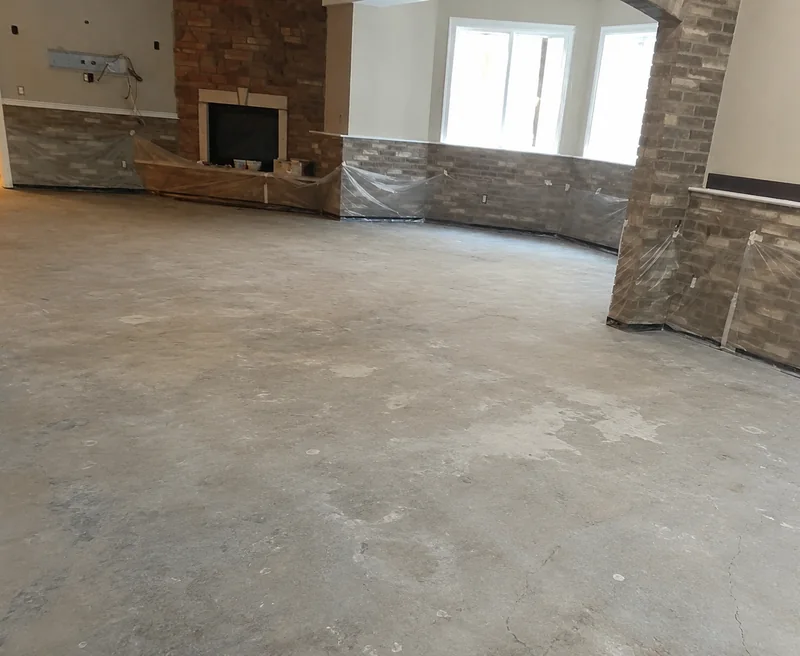

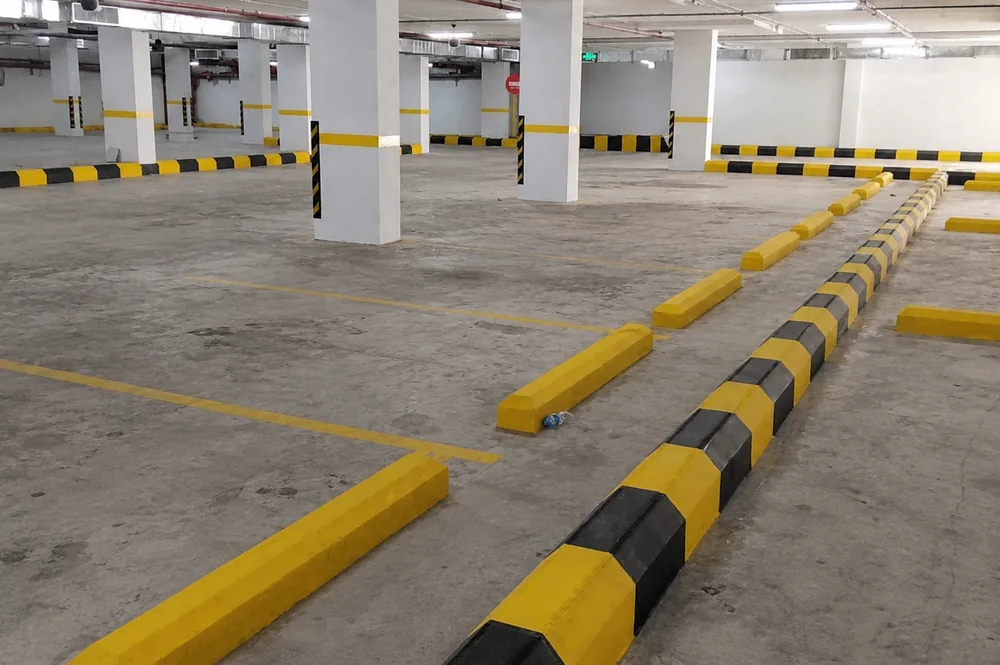

The specification emphasis is traffic loads, turning movements, oils, impact, cleaning and the available shutdown window.
The service area covers Melton 3337, positioned about 36 km west of Melbourne’s centre within Melbourne’s Western Suburbs. In the outer-metropolitan band, larger garages, sheds and commercial units often make slab age, vehicle use and staging central to the scope.
The closest surrounding service areas are Aintree, Rockbank and Deanside, allowing nearby inspections to be grouped where scheduling permits.
| Postcode | 3337 |
|---|---|
| Melbourne position | Approximately 36 km west of the CBD |
| Regional group | Melbourne’s Western Suburbs |
| Primary scope | Industrial and workshop focus |
| Nearest linked areas | Aintree, Rockbank, Deanside |
The local scope gives priority to industrial and workshop focus rather than forcing every floor into the same generic coating package.
Specify around loads, turning traffic, impact, oils, chemicals, wash-down and staged handover requirements.
Review the full service scope →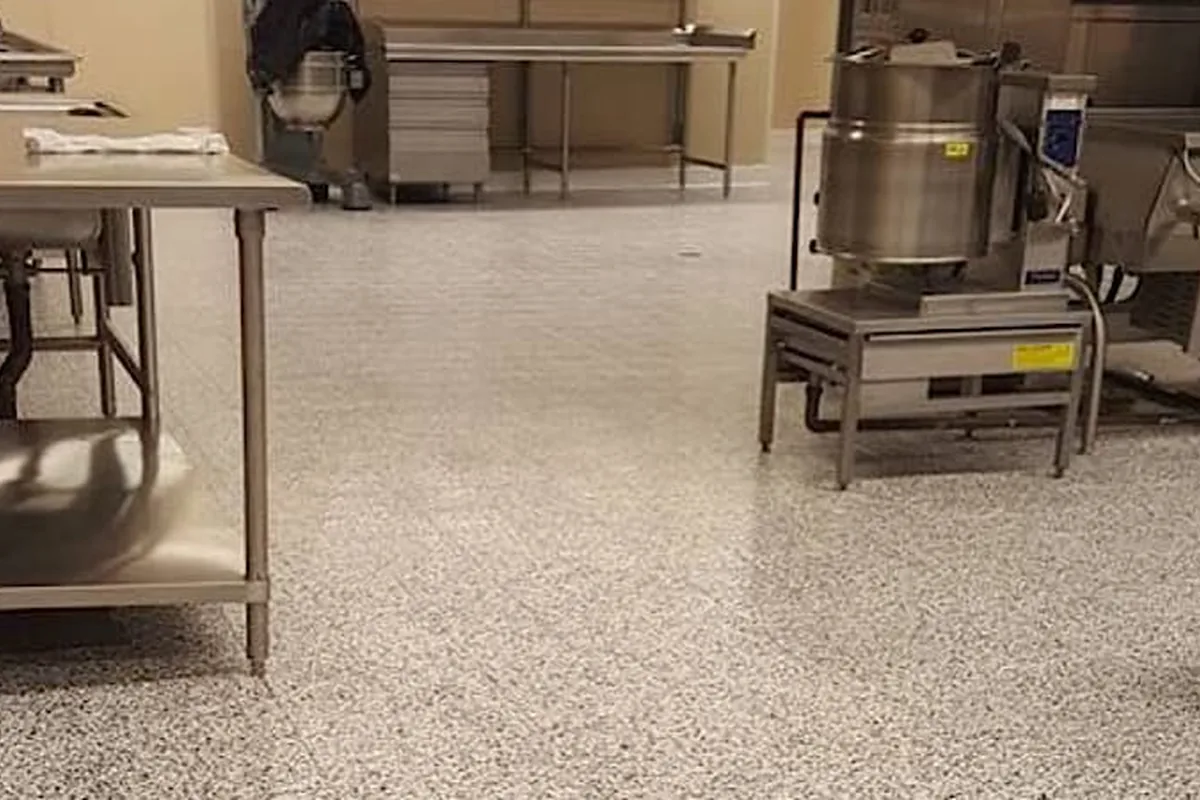
Define public access, cleaning, wetness, presentation and the maximum shutdown period before selecting the build.
Review the full service scope →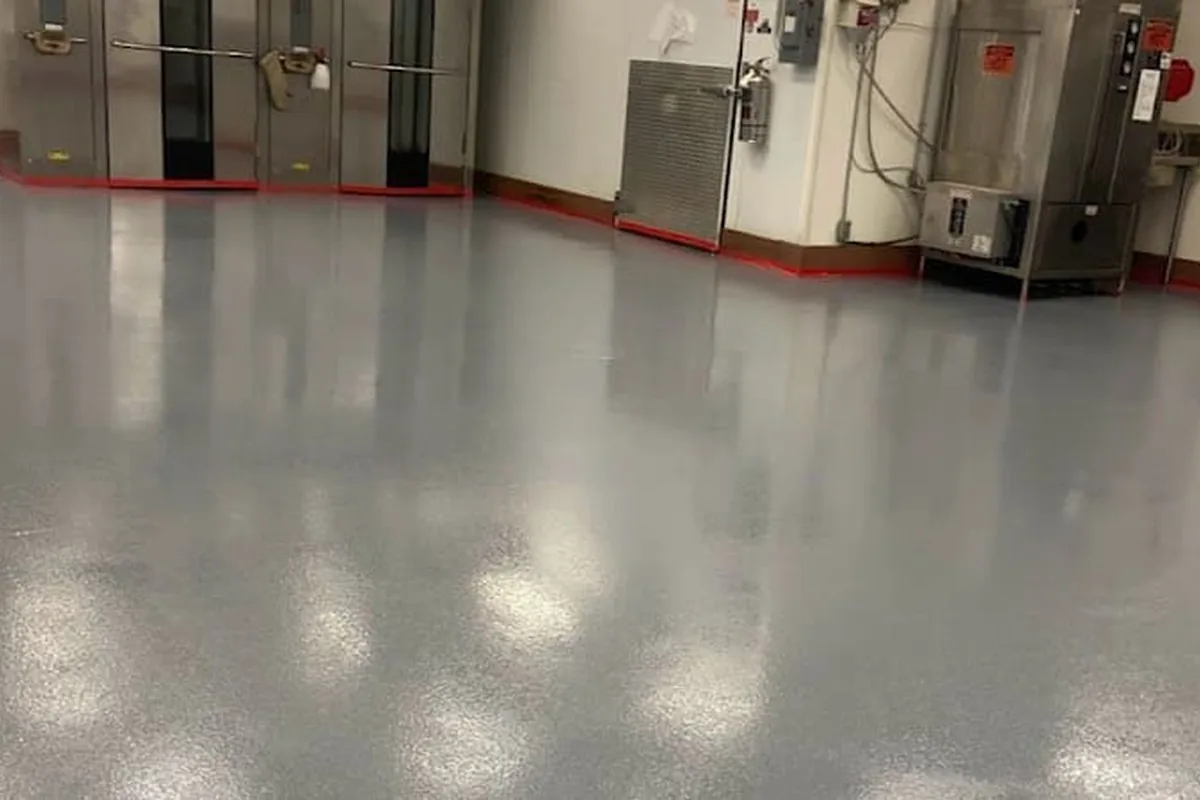
Balance wet traction with cleanability by matching texture to contaminants, footwear, gradients and cleaning equipment.
Review the full service scope →The inspection should resolve these points early so the written scope does not rely on assumptions hidden beneath the coating.
A more aggressive non-slip profile can improve traction but also holds more dirt and usually needs stronger mechanical cleaning.
Quote cue: State whether the floor is swept, mopped, scrubbed or pressure cleaned.
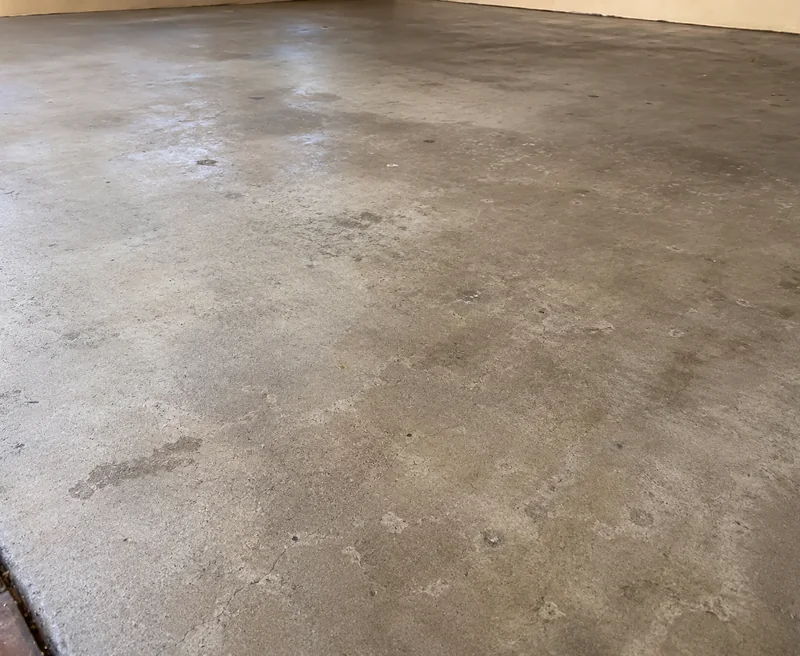
Vehicle bays and workshops can hold oil, tyre residue or silicone contamination that must be assessed before a coating system is selected.
Quote cue: Mark the darkest or most frequently parked areas in the photos.
Dark patches, efflorescence, damp edges or below-grade concrete can indicate moisture conditions that affect adhesion and coating choice.
Quote cue: Mention any history of dampness, flooding or water entry.
Foot traffic, vehicle turns, pallet jacks, forklifts and dropped tools create different loading patterns and system requirements.
Quote cue: Describe the heaviest normal use and how often it occurs.
The matrix sets out the difference between a decorative request and the technical work required to support it.
| Application or inspection focus | Information required | Specification response |
|---|---|---|
| Warehouse aisle | Pallet traffic, forklifts, turns and shutdown | Higher-duty build, repairs, texture and staged return |
| Mechanical workshop | Oil, impact, hot parts and cleaning | Decontamination assessment, durable coating and traction balance |
| Plant or service area | Wetness, chemicals, drains and access | Condition survey, compatible system and detailed edge treatment |
| Inspection priority: Cleaning and texture balance | State whether the floor is swept, mopped, scrubbed or pressure cleaned. | Confirm alongside oil and tyre contamination before fixing the industrial epoxy flooring build |
The work programme must account for cleaning and texture balance, equipment access and the time needed to protect each coating stage.
A more aggressive non-slip profile can improve traction but also holds more dirt and usually needs stronger mechanical cleaning. Dark patches, efflorescence, damp edges or below-grade concrete can indicate moisture conditions that affect adhesion and coating choice.
The agreed sequence covers substrate verification, removal and repairs, mechanical profiling, cleaning, coating stages and protected cure. Pedestrian, storage, vehicle and operational handover times are stated separately where the system requires them.
The decision starts with the slab, existing coatings, moisture, traffic, cleaning, sunlight and shutdown window. The decorative finish is selected after those requirements are clear.
Not automatically. Existing material should be tested and usually mechanically prepared or removed until the substrate is suitable for the specified system.
No. Metallic movement is created during installation, so samples guide the palette and style rather than guarantee an identical pattern.
Sometimes, but colour, age, gloss and existing wear can make a patch visible. Widespread failure may be better handled by broader removal and recoating.
Yes. They are scoped separately because preparation, traffic, texture, operating hours and return-to-service requirements can differ considerably.
Neighbouring areas share the service network, but preparation priorities and coating specifications remain site-specific.
View the full Melbourne’s Western Suburbs service region →
The map confirms the suburb reference only. Pricing is based on the actual address, access route, measurements, floor condition and inspection findings.