
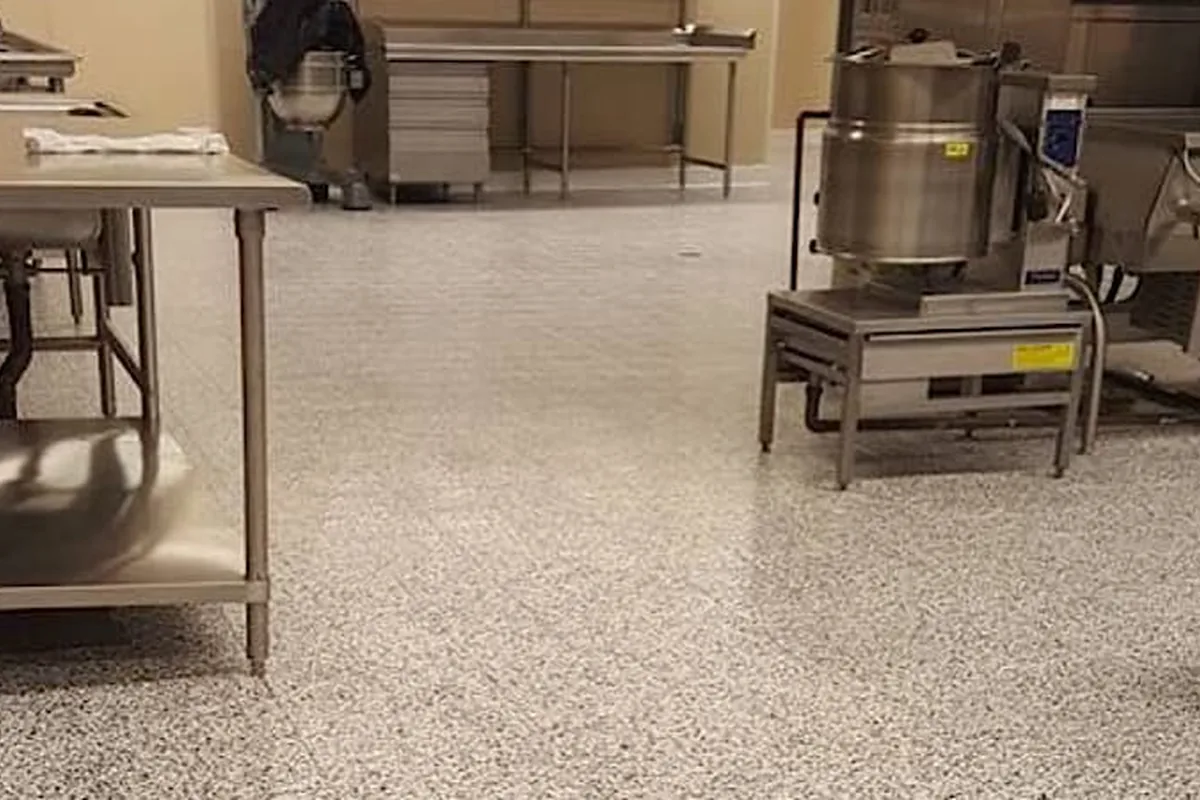
Access and staged installation focus
Commercial Epoxy Flooring
Define public access, cleaning, wetness, presentation and the maximum shutdown period before selecting the build.
Review the full service scope →Epoxy flooring Docklands 3008: Commercial Epoxy Flooring, Residential Epoxy Flooring and preparation scoped to traffic, slab condition and cure time.
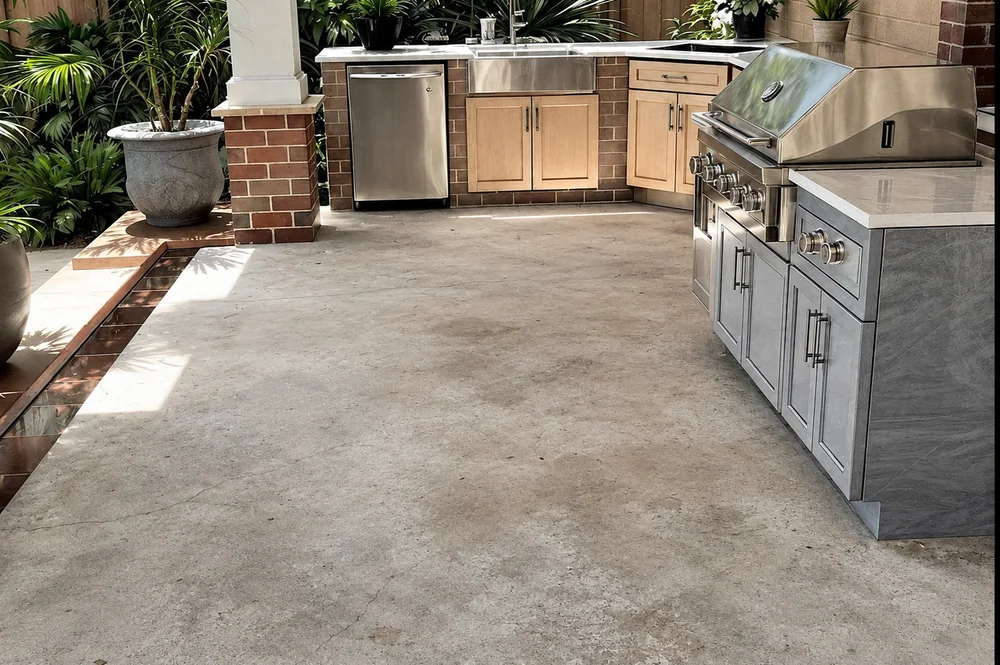

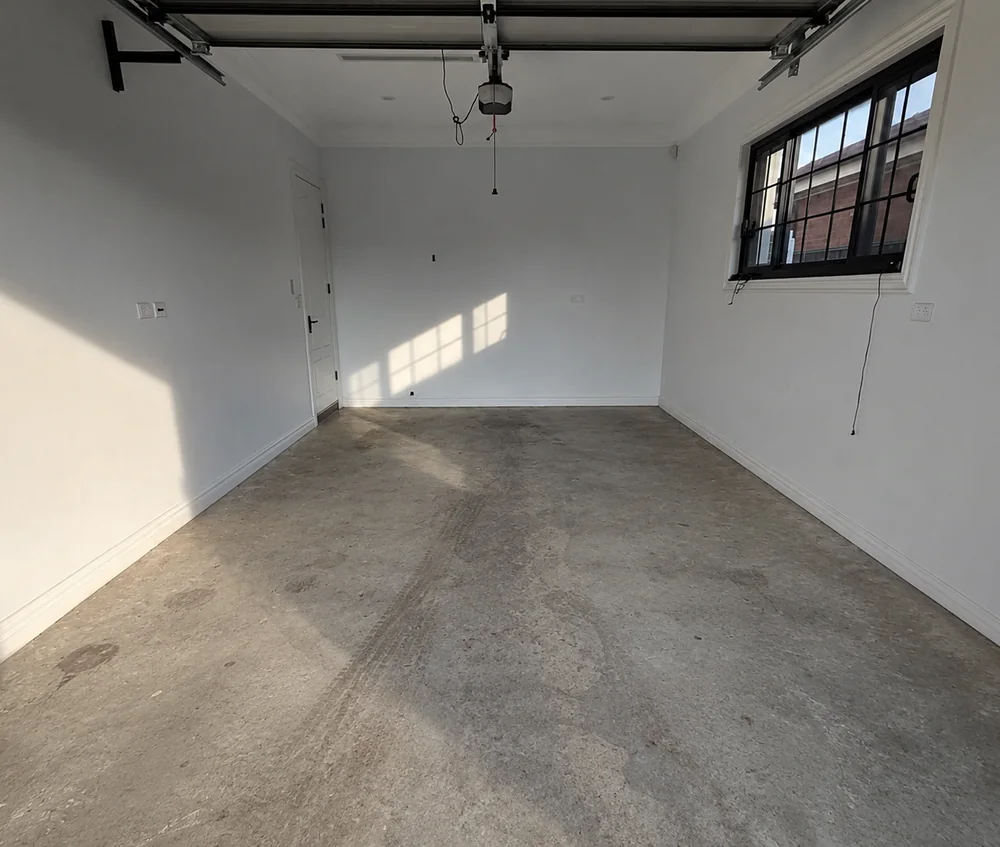

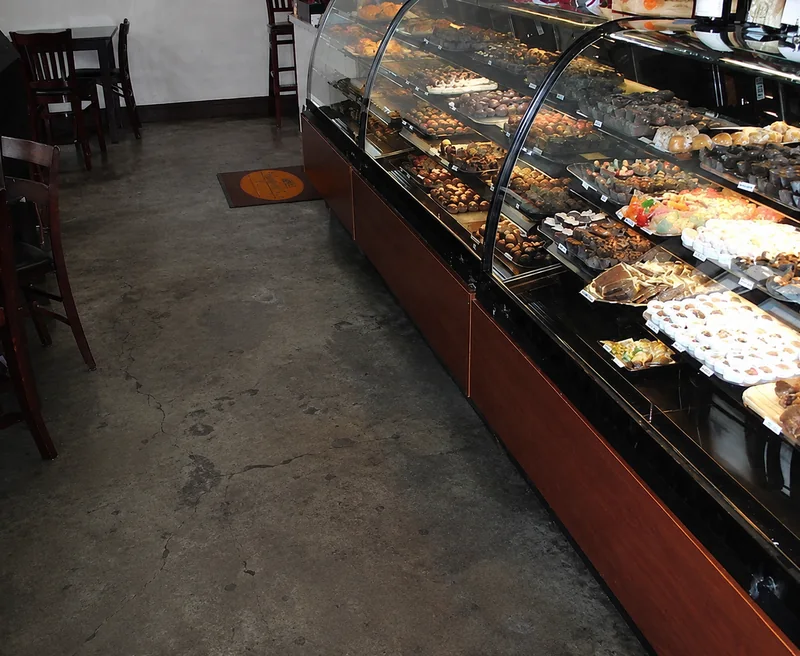

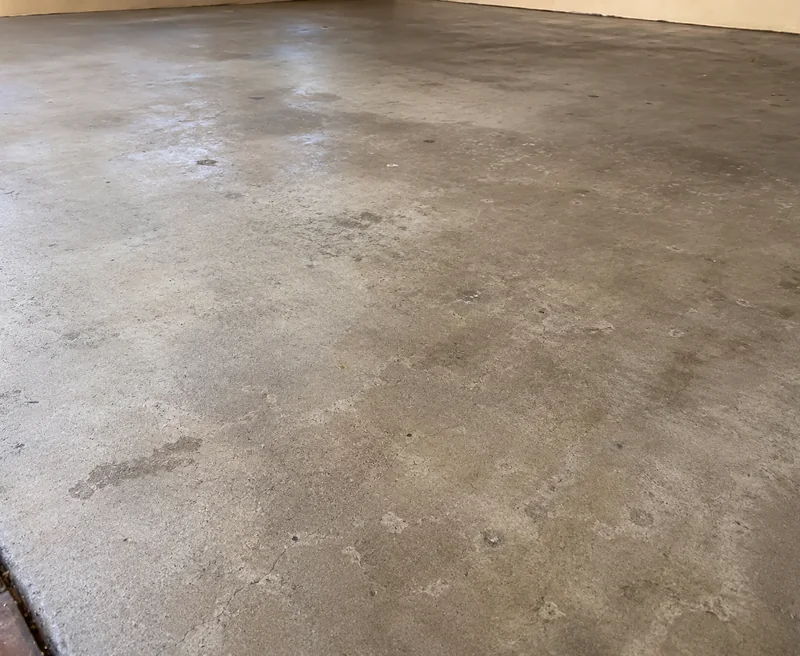


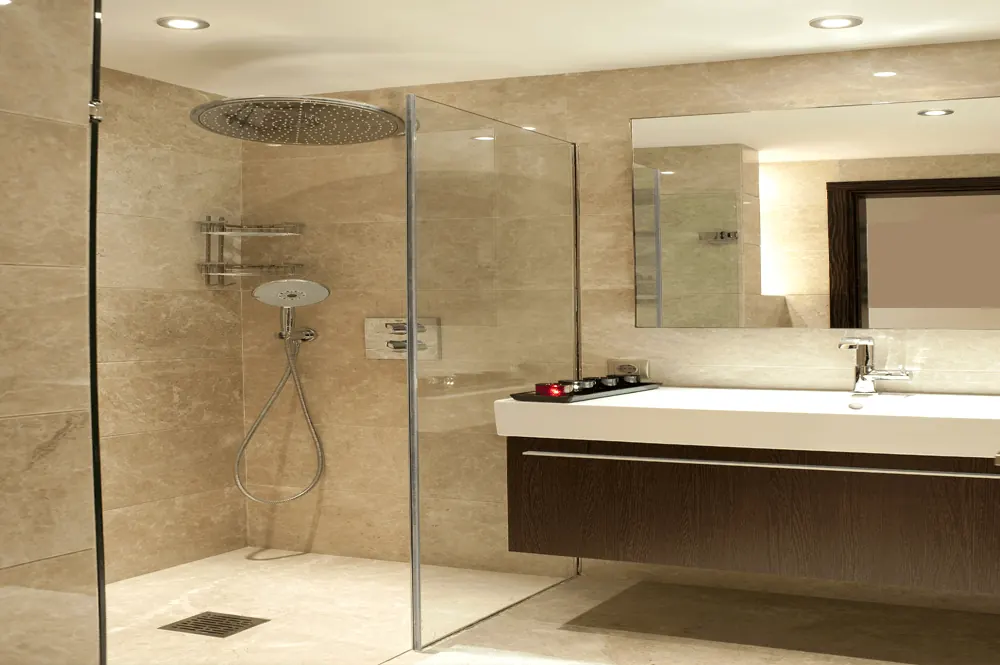
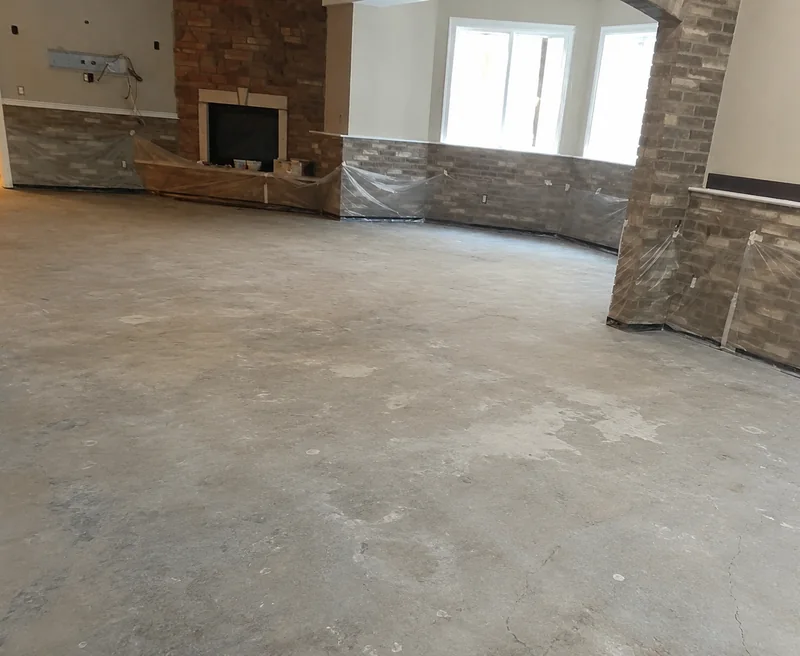

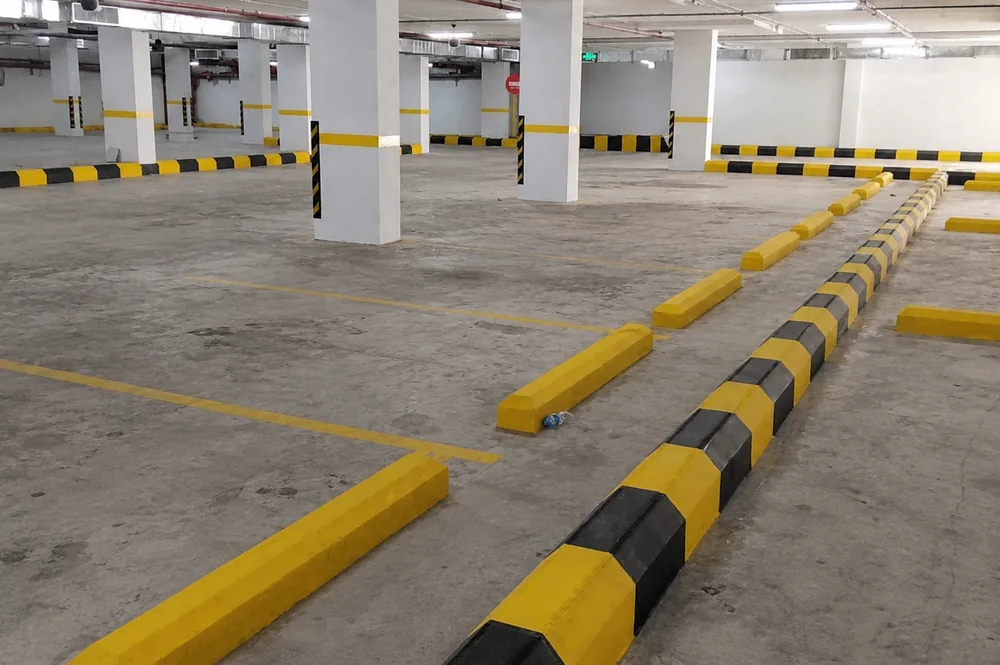

The specification emphasis is parking, equipment movement, shared access, ventilation, noise control and a realistic staging plan.
The service area covers Docklands 3008, positioned about 2 km west of Melbourne’s centre within Inner Melbourne. Within the inner-city band, planning commonly centres on restricted access, shared buildings, ventilation and short operating windows.
The surrounding service cluster connects Docklands with Melbourne CBD, Caulfield and Southbank, while every floor receives a site-specific scope.
| Postcode | 3008 |
|---|---|
| Melbourne position | Approximately 2 km west of the CBD |
| Regional group | Inner Melbourne |
| Primary scope | Access and staged installation focus |
| Nearest linked areas | Melbourne CBD, Caulfield, Southbank |
The shortlist is weighted toward access and staged installation focus; the inspection confirms whether substrate condition or operating demands require a different build.
Define public access, cleaning, wetness, presentation and the maximum shutdown period before selecting the build.
Review the full service scope →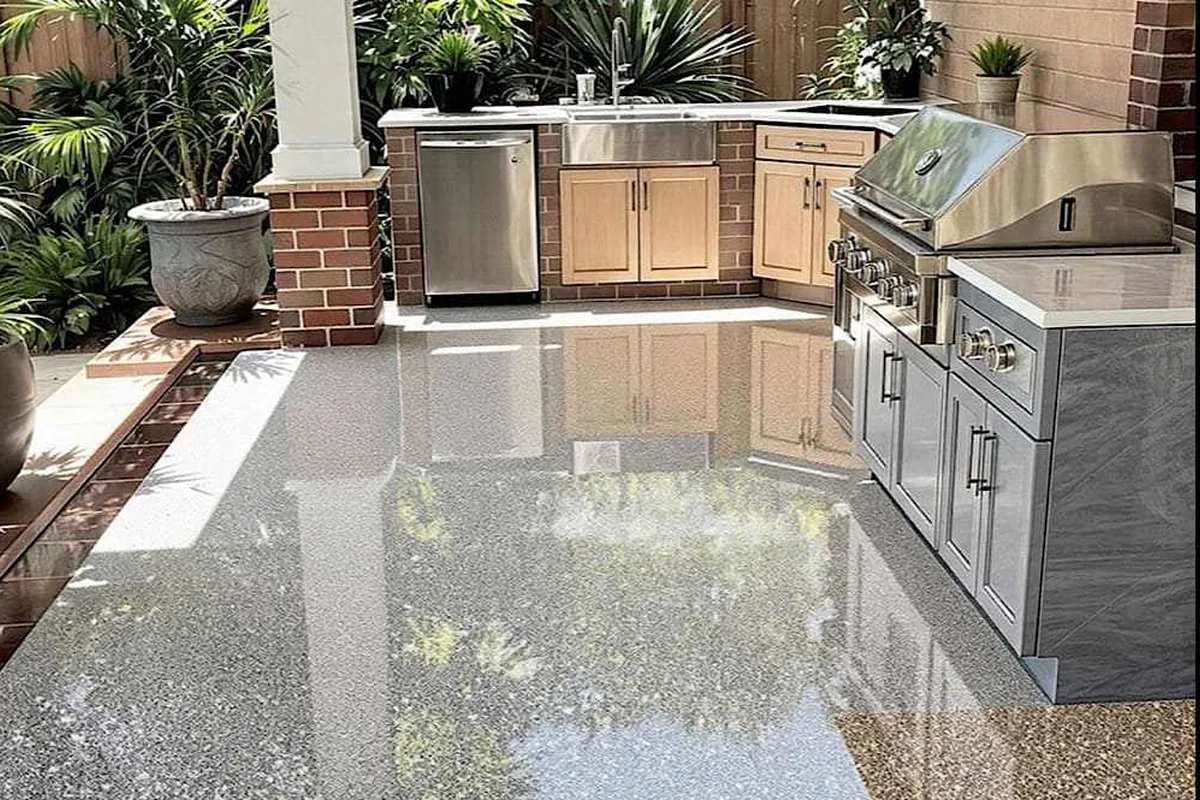
Match decorative appearance to indoor use, surface flatness, furniture movement and the required sheen.
Review the full service scope →
Establish how much paint, sealer, adhesive, contamination or weak surface material must be removed before coating.
Review the full service scope →Each item can alter adhesion risk, installation sequencing or the earliest safe return-to-service date.
Vehicle bays and workshops can hold oil, tyre residue or silicone contamination that must be assessed before a coating system is selected.
Quote cue: Mark the darkest or most frequently parked areas in the photos.
Static cracks, construction joints and moving defects require different treatment; a rigid coating cannot stop structural movement.
Quote cue: Send close-ups with a ruler or coin for scale.
Grinding and coating require equipment access, power, dust extraction and a clear route into the work area.
Quote cue: Explain stairs, lifts, shared driveways, parking or restricted access.
Preparation, coating stages and cure time need to fit the date when vehicles, staff, stock or equipment must return.
Quote cue: Provide the latest acceptable handover time, not only the preferred start date.
The specification changes when traffic, contamination, wetness or cure timing changes; the rows show where those decisions enter the scope.
| Application or inspection focus | Information required | Specification response |
|---|---|---|
| Shared-building floor | Access booking, neighbours and ventilation | Staged grinding, isolation and controlled cure window |
| Compact garage | Equipment route, storage and doorway clearance | Efficient preparation sequence and practical coating build |
| Operating business | Customer access, stock and reopening deadline | Sectioned work, clear shutdown plan and handover controls |
| Inspection priority: Oil and tyre contamination | Mark the darkest or most frequently parked areas in the photos. | Confirm alongside cracks, joints and movement before fixing the commercial epoxy flooring build |
The work programme must account for oil and tyre contamination, equipment access and the time needed to protect each coating stage.
Vehicle bays and workshops can hold oil, tyre residue or silicone contamination that must be assessed before a coating system is selected. Grinding and coating require equipment access, power, dust extraction and a clear route into the work area.
The agreed sequence covers substrate verification, removal and repairs, mechanical profiling, cleaning, coating stages and protected cure. Pedestrian, storage, vehicle and operational handover times are stated separately where the system requires them.
It is often a practical option because it adds visual texture and can disguise normal dust or marks, but preparation, tyre use, sunlight and topcoat selection still determine the final scope.
Cracks and joints are assessed by type. Static defects may be repairable within the coating scope, while moving or structural cracks can reappear and need clearly stated limitations.
Vehicle access depends on the complete coating system, temperature and site conditions. The written scope should distinguish pedestrian cure from vehicle cure.
The source and severity should be investigated before coating. Depending on the condition, the specification may change or the floor may not be suitable until the moisture issue is addressed.
Sometimes, but colour, age, gloss and existing wear can make a patch visible. Widespread failure may be better handled by broader removal and recoating.
The service map connects close suburbs while retaining a separate specification focus for every location.
View the full Inner Melbourne service region →
Suburb-level coverage does not replace site information; the quote still requires the address, access, dimensions, photographs and intended use.