
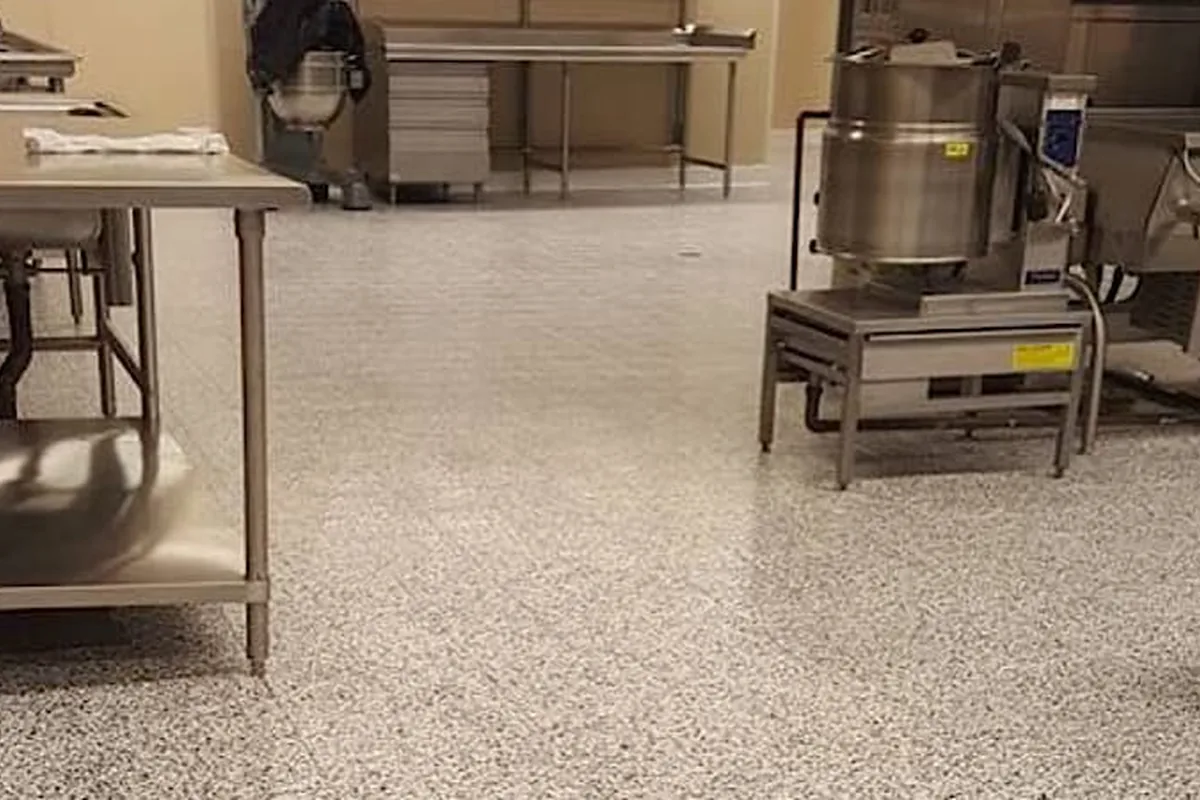
Commercial floor focus
Commercial Epoxy Flooring
Define public access, cleaning, wetness, presentation and the maximum shutdown period before selecting the build.
Review the full service scope →Quote epoxy flooring in Clyde 3978: compare commercial epoxy flooring, non-slip epoxy flooring and substrate preparation.
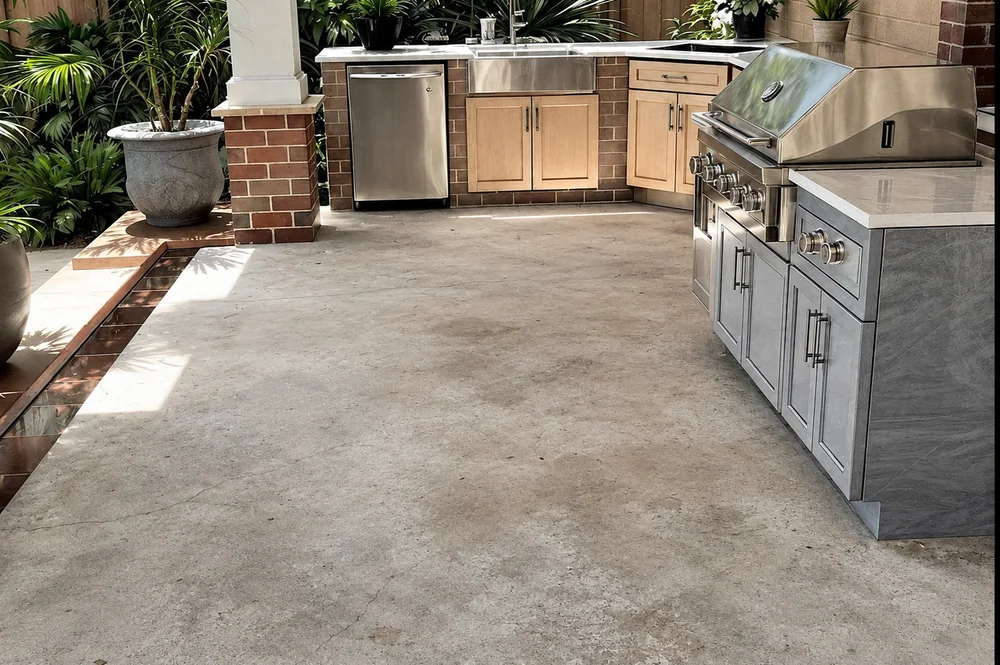
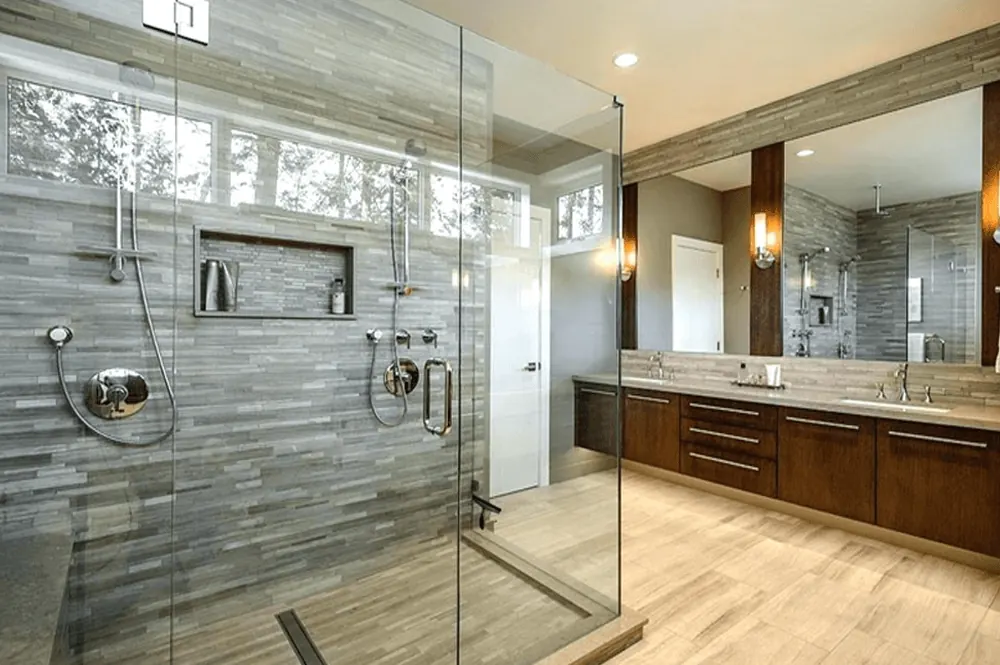
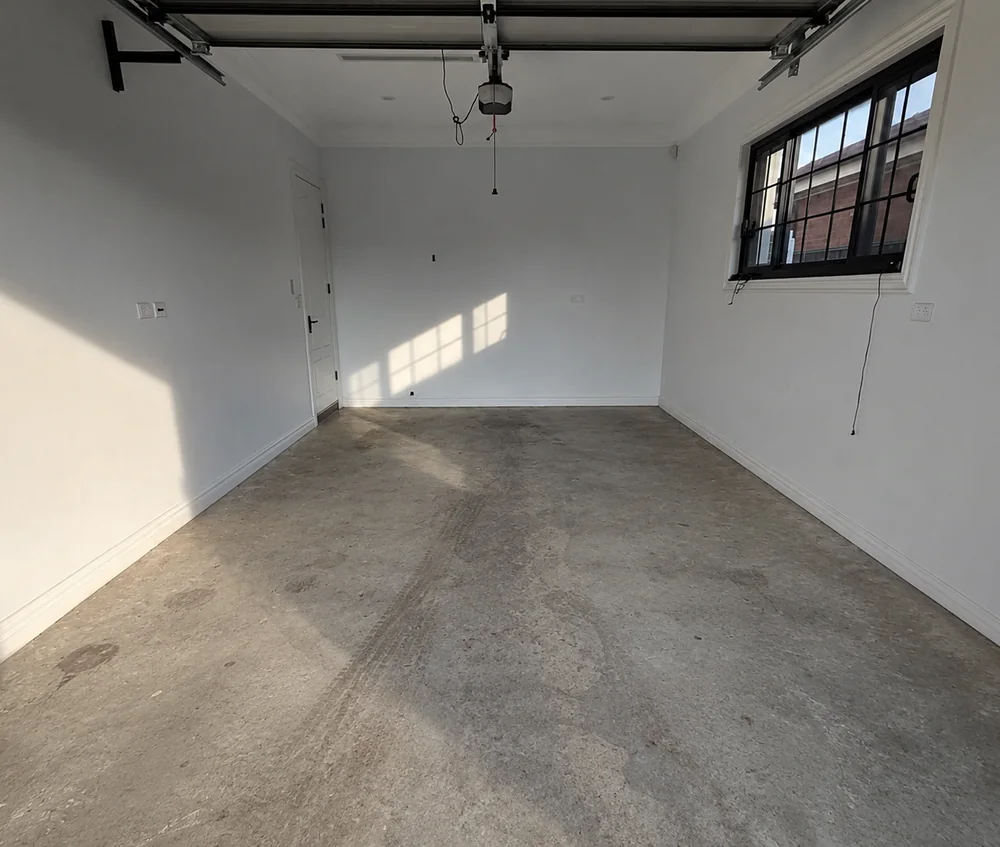

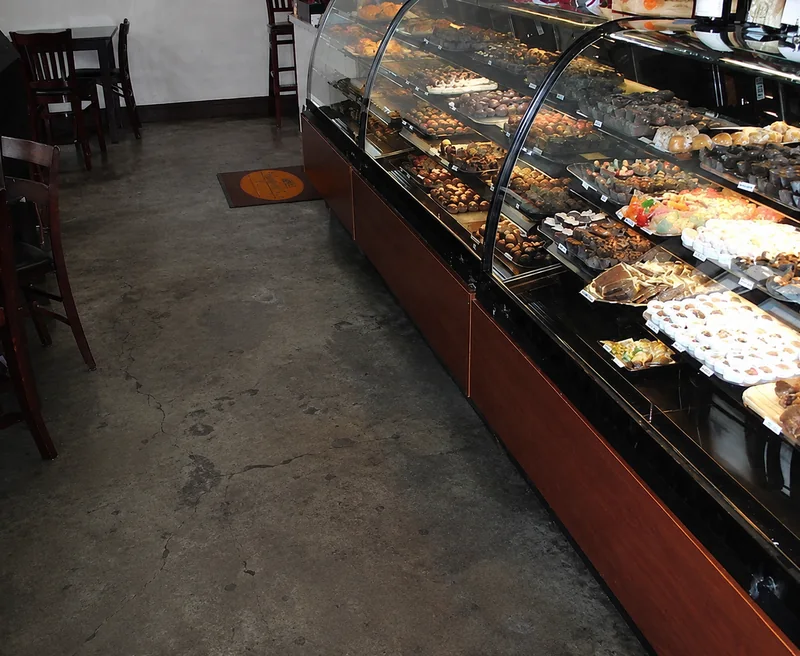

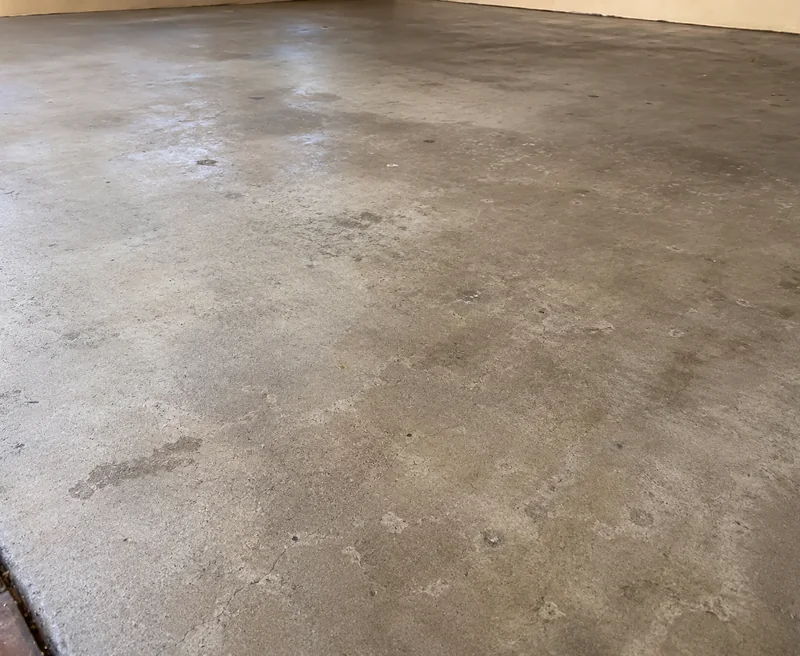


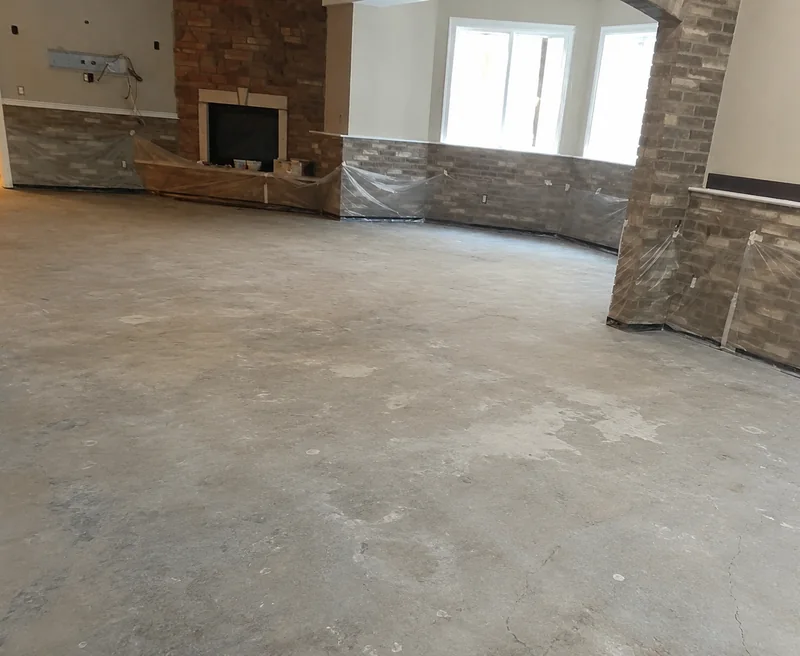

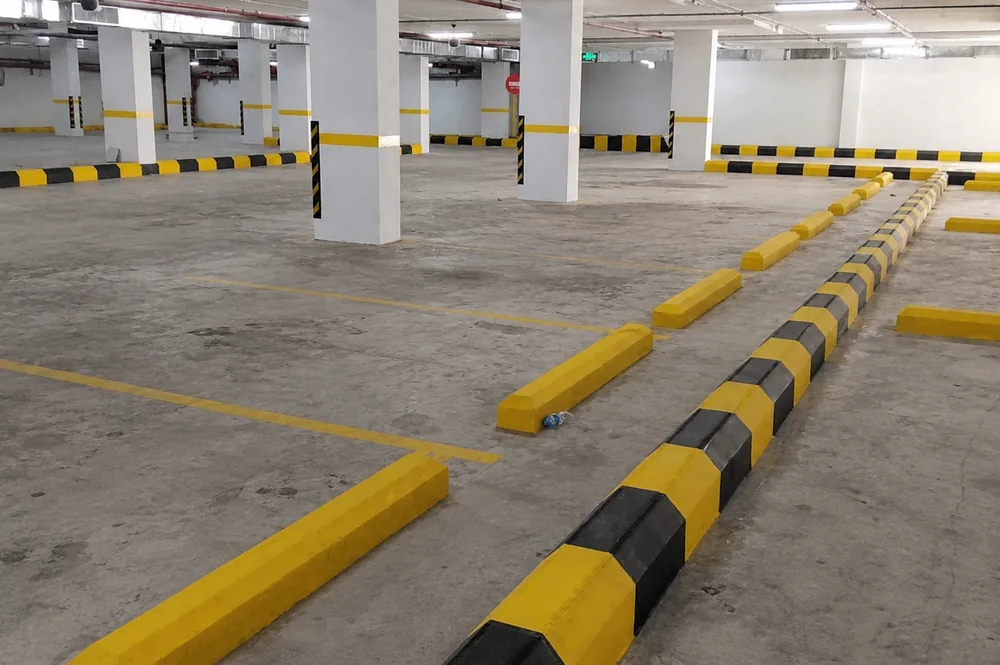

The specification emphasis is public access, cleaning frequency, wetness, slip profile, presentation and return-to-service timing.
For service planning, Clyde sits in the South-East Melbourne group, roughly 48 km south-east of the CBD. For outer-Melbourne work, mobilisation, floor area, cure timing and the condition of larger concrete spaces should be resolved early in the quote.
Nearby coverage includes Junction Village, Cranbourne and Beaconsfield; each location is scoped from its own slab, access and operating requirements.
| Postcode | 3978 |
|---|---|
| Melbourne position | Approximately 48 km south-east of the CBD |
| Regional group | South-East Melbourne |
| Primary scope | Commercial floor focus |
| Nearest linked areas | Junction Village, Cranbourne, Beaconsfield |
The system should be narrowed from the floor’s use, then verified against adhesion, moisture, repairs and cure requirements.
Define public access, cleaning, wetness, presentation and the maximum shutdown period before selecting the build.
Review the full service scope →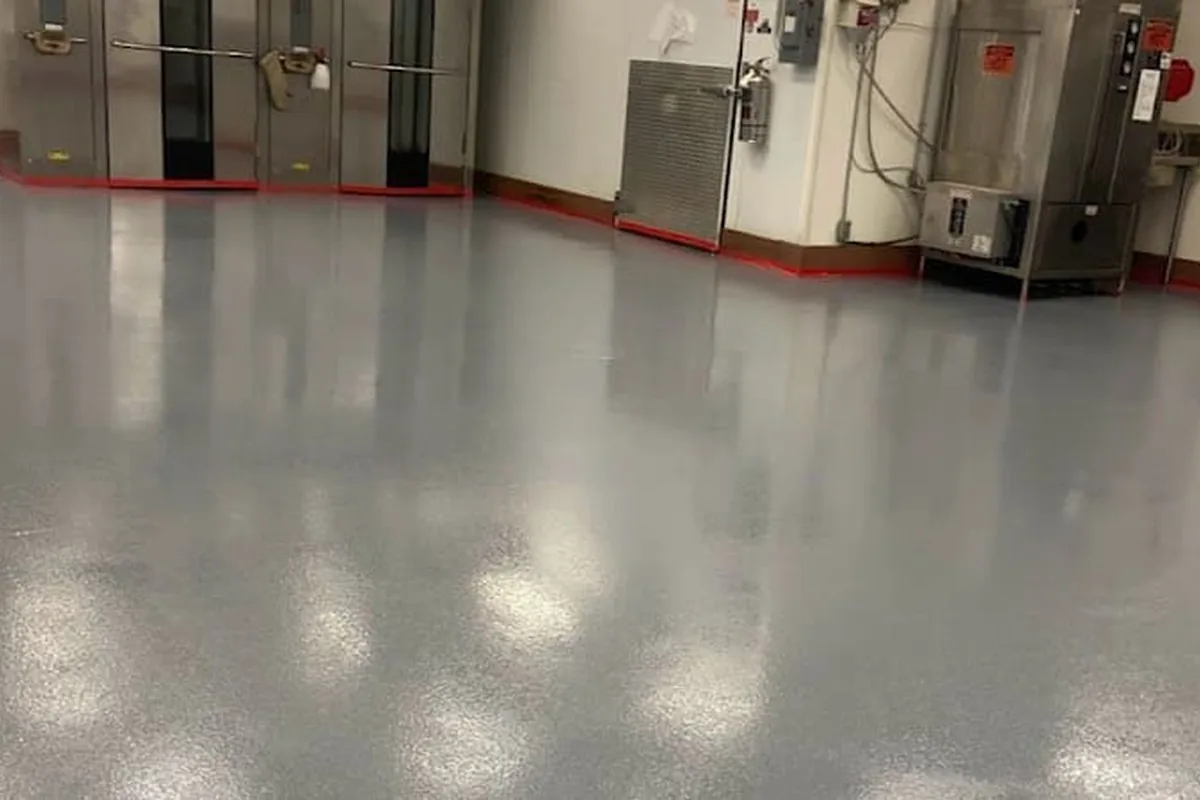
Balance wet traction with cleanability by matching texture to contaminants, footwear, gradients and cleaning equipment.
Review the full service scope →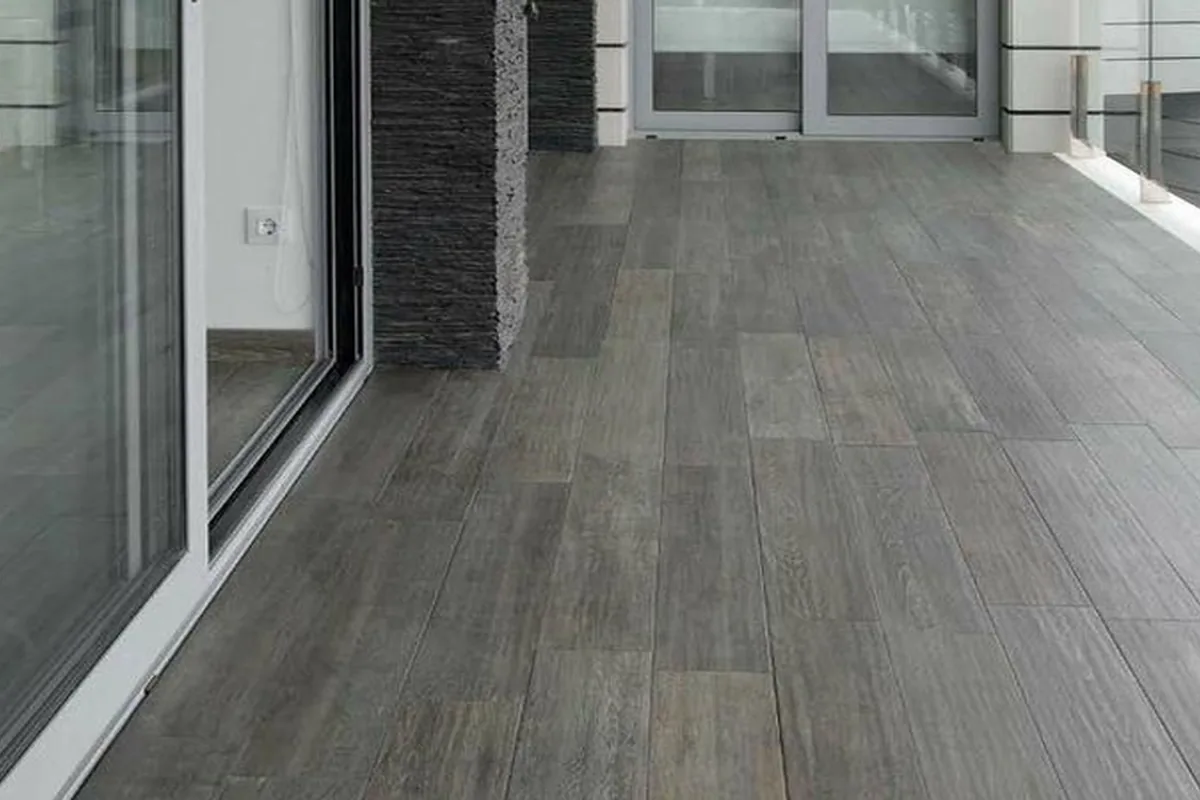
Establish how much paint, sealer, adhesive, contamination or weak surface material must be removed before coating.
Review the full service scope →These conditions are documented before the decorative finish is locked in because they can change both labour and material requirements.
A more aggressive non-slip profile can improve traction but also holds more dirt and usually needs stronger mechanical cleaning.
Quote cue: State whether the floor is swept, mopped, scrubbed or pressure cleaned.
Dark patches, efflorescence, damp edges or below-grade concrete can indicate moisture conditions that affect adhesion and coating choice.
Quote cue: Mention any history of dampness, flooding or water entry.
Open garage doors, shopfront light and exterior thresholds can expose part of the floor to UV, heat and weathering.
Quote cue: Show the doorway and note how long it receives direct sun.
Foot traffic, vehicle turns, pallet jacks, forklifts and dropped tools create different loading patterns and system requirements.
Quote cue: Describe the heaviest normal use and how often it occurs.
Use this matrix to separate operational loading from appearance so the coating build is not under-specified.
| Application or inspection focus | Information required | Specification response |
|---|---|---|
| Commercial unit | Mixed foot and vehicle use | Zoned preparation, repairs and application sequencing |
| Retail or showroom | Presentation, foot traffic and public reopening | Smooth preparation, chosen sheen and controlled cure window |
| Back-of-house area | Cleaning, spills, carts and wetness | Texture and build matched to maintenance demands |
| Inspection priority: Cleaning and texture balance | State whether the floor is swept, mopped, scrubbed or pressure cleaned. | Confirm alongside moisture and vapour risk before fixing the commercial epoxy flooring build |
Grinding, extraction, repairs and coating cannot be compressed into a generic one-day promise without considering the actual system and conditions.
A more aggressive non-slip profile can improve traction but also holds more dirt and usually needs stronger mechanical cleaning. Open garage doors, shopfront light and exterior thresholds can expose part of the floor to UV, heat and weathering.
The agreed sequence covers substrate verification, removal and repairs, mechanical profiling, cleaning, coating stages and protected cure. Pedestrian, storage, vehicle and operational handover times are stated separately where the system requires them.
Send the suburb, approximate dimensions, wide photos, close-ups of cracks or contamination, the current surface, intended use and the date the area must return to service.
Cracks and joints are assessed by type. Static defects may be repairable within the coating scope, while moving or structural cracks can reappear and need clearly stated limitations.
The source and severity should be investigated before coating. Depending on the condition, the specification may change or the floor may not be suitable until the moisture issue is addressed.
Sometimes, but colour, age, gloss and existing wear can make a patch visible. Widespread failure may be better handled by broader removal and recoating.
Yes. They are scoped separately because preparation, traffic, texture, operating hours and return-to-service requirements can differ considerably.
Neighbouring areas share the service network, but preparation priorities and coating specifications remain site-specific.
View the full South-East Melbourne service region →
Use the map to confirm the location, then provide the exact site details privately through the quote form.