
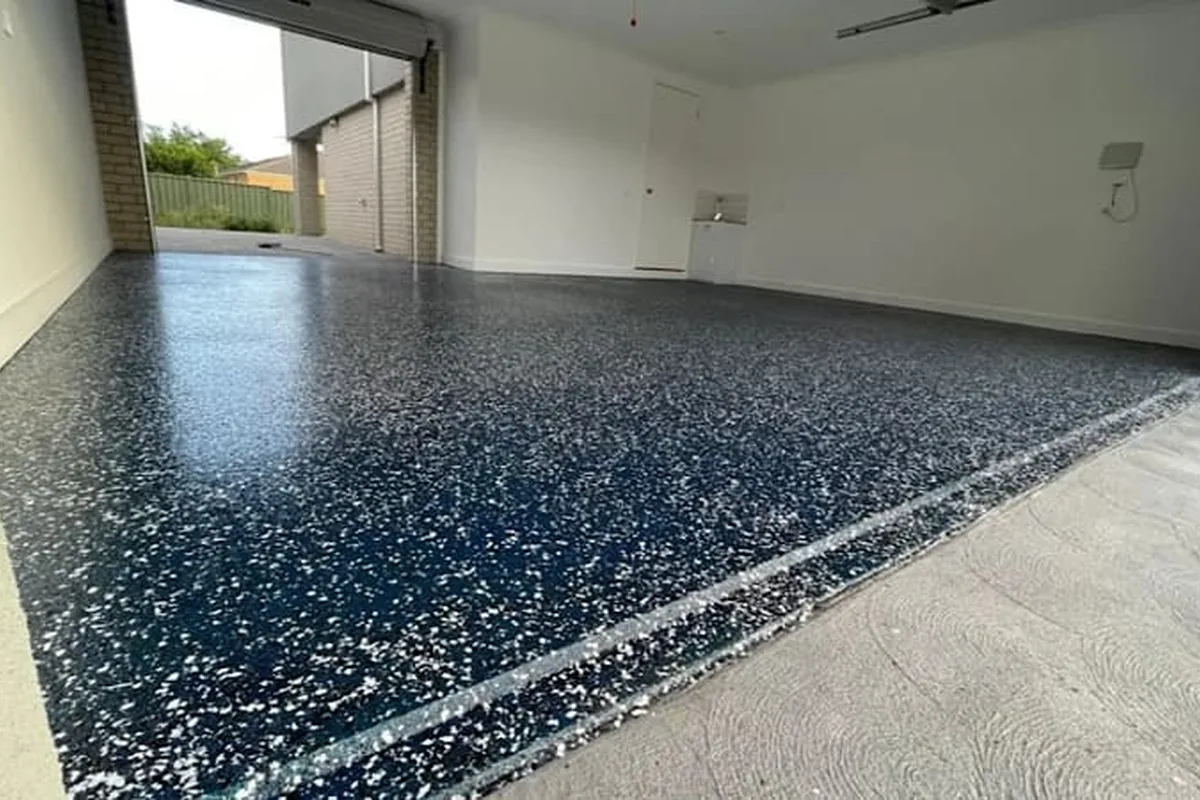
Garage and workshop focus
Garage Epoxy Flooring
Compare flake and solid systems against tyre use, doorway light, storage and the desired cleaning routine.
Review the full service scope →Garage Epoxy Flooring and epoxy flooring in Burnside 3023, with grinding, repairs and system selection matched to the floor’s actual use.
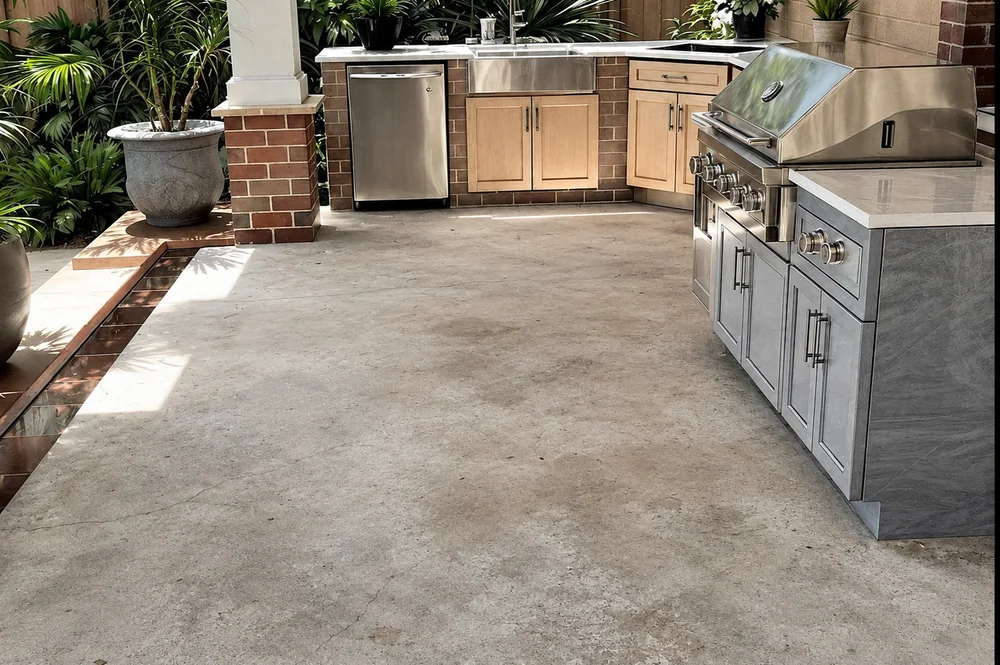

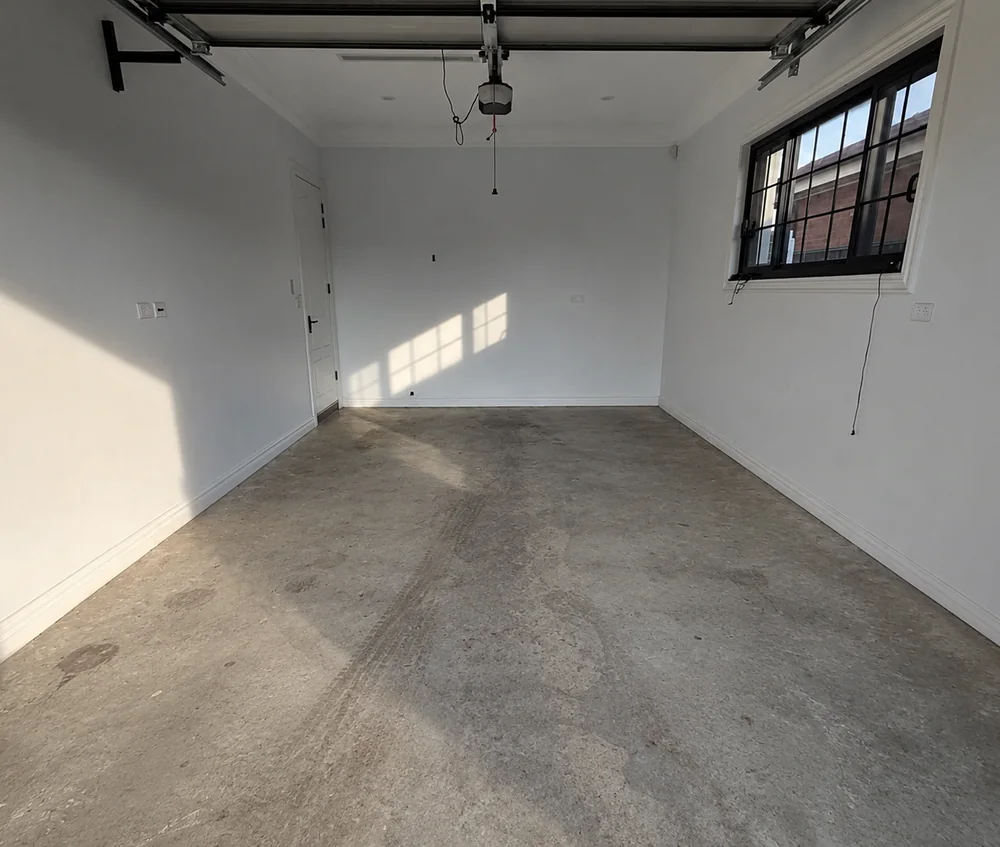

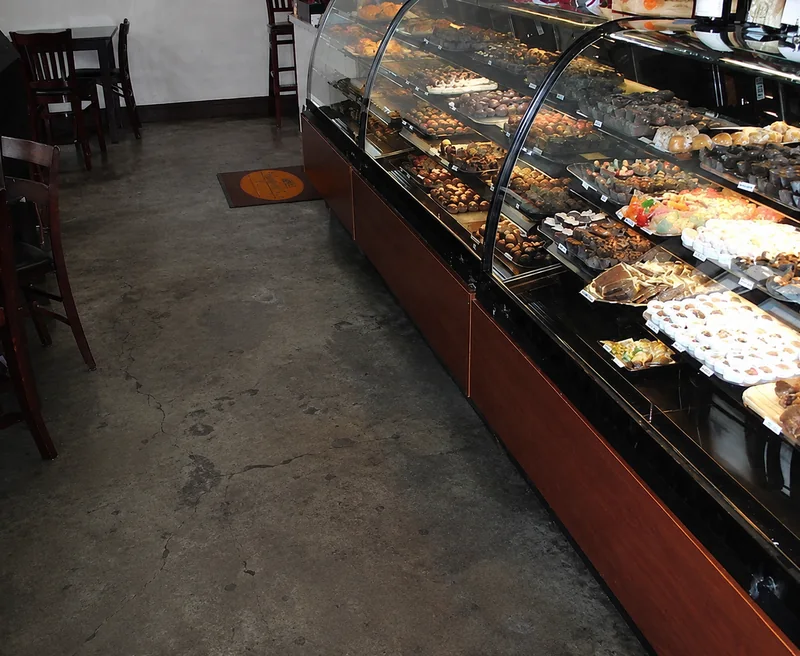

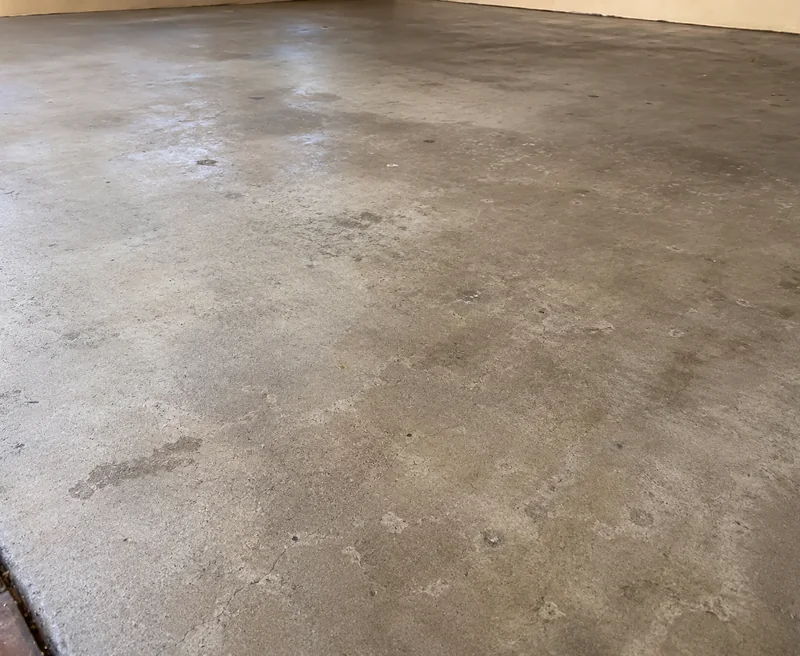


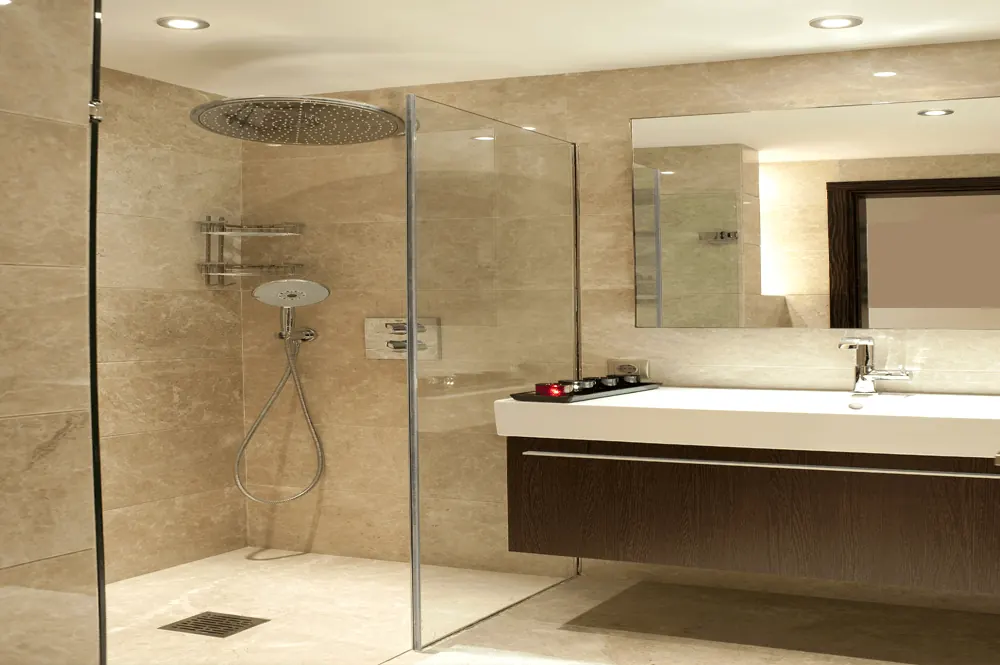
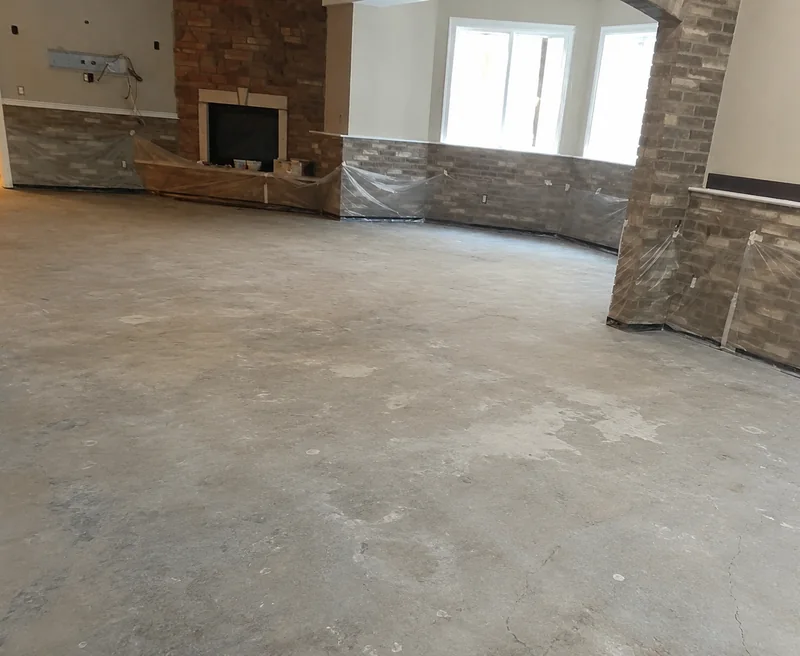

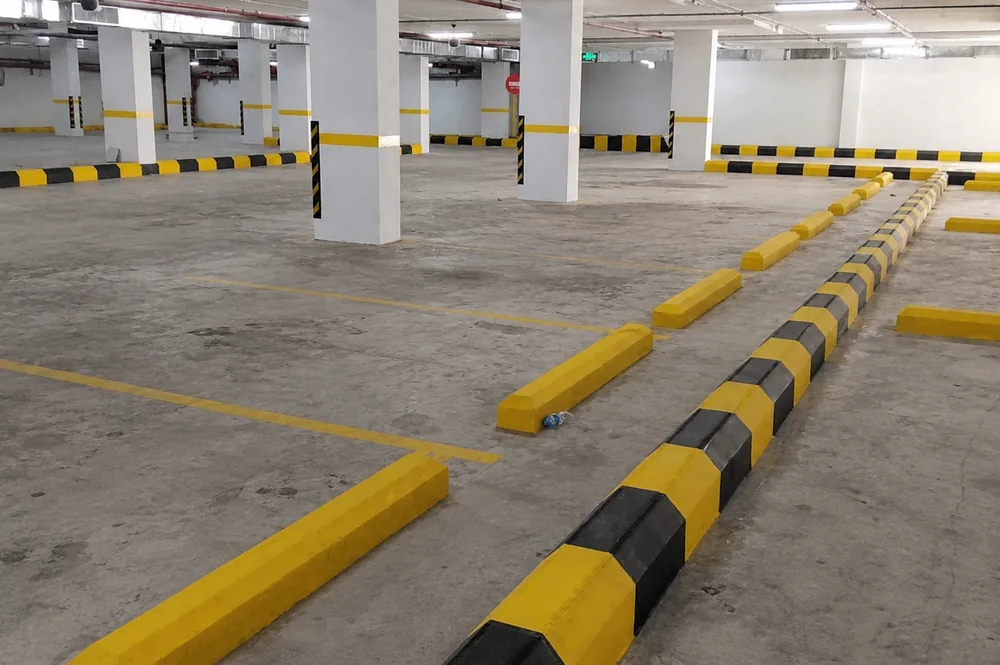

The specification emphasis is vehicle use, tyre contact, storage, doorway exposure and a finish that is practical to keep clean.
Burnside is approximately 20 km west of central Melbourne and is grouped within Melbourne’s Western Suburbs. Across the middle-metropolitan band, enquiries can range from family garages to workshops and business units, so the floor use should lead the specification.
Nearby coverage includes Albanvale, Caroline Springs and Deer Park; each location is scoped from its own slab, access and operating requirements.
| Postcode | 3023 |
|---|---|
| Melbourne position | Approximately 20 km west of the CBD |
| Regional group | Melbourne’s Western Suburbs |
| Primary scope | Garage and workshop focus |
| Nearest linked areas | Albanvale, Caroline Springs, Deer Park |
The shortlist is weighted toward garage and workshop focus; the inspection confirms whether substrate condition or operating demands require a different build.
Compare flake and solid systems against tyre use, doorway light, storage and the desired cleaning routine.
Review the full service scope →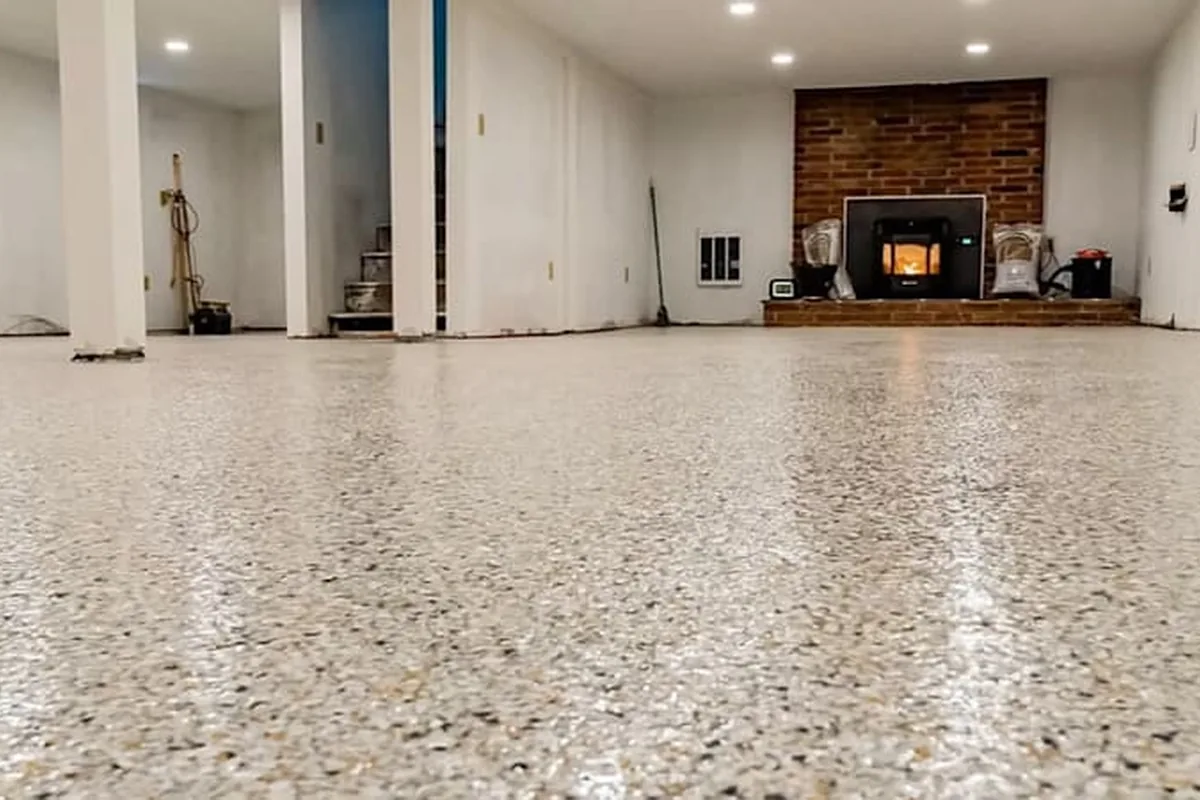
Choose blend, flake coverage, texture and topcoat around the way dust, marks and vehicle use need to be managed.
Review the full service scope →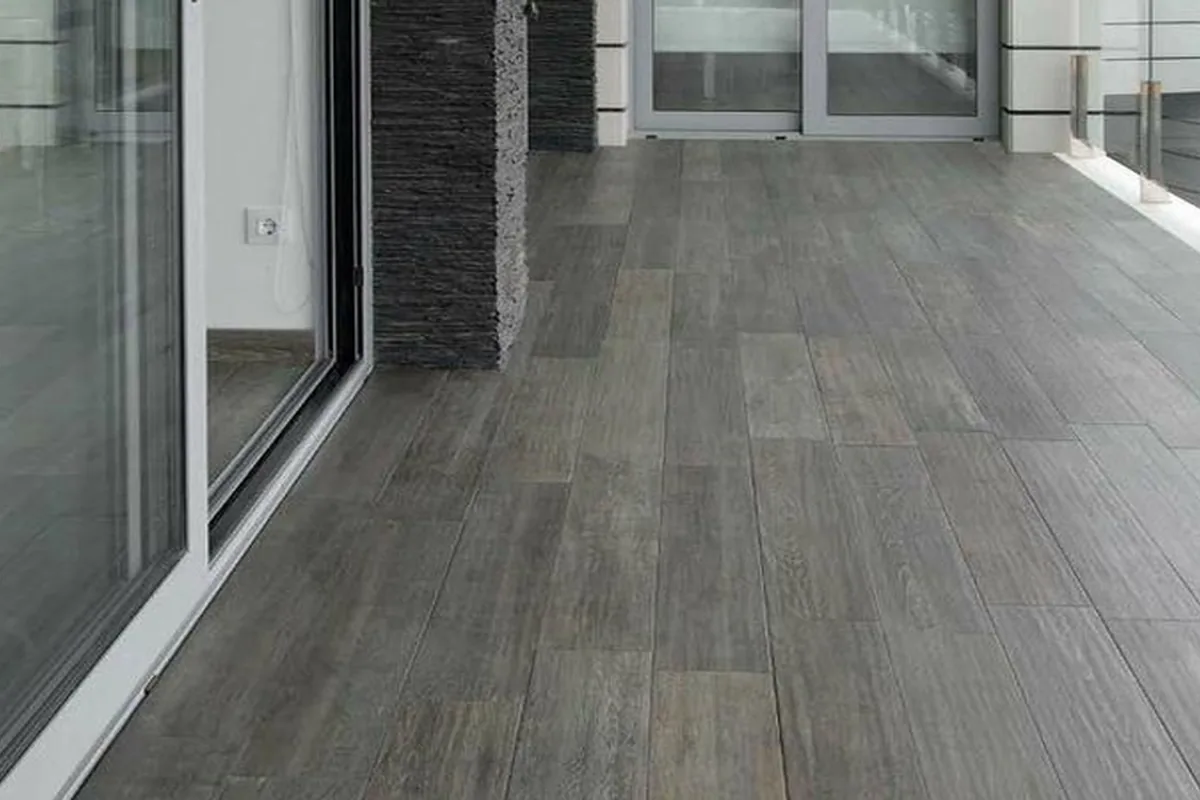
Establish how much paint, sealer, adhesive, contamination or weak surface material must be removed before coating.
Review the full service scope →A technically correct quote separates normal mechanical preparation from contamination treatment, defect repair and additional levelling.
Vehicle bays and workshops can hold oil, tyre residue or silicone contamination that must be assessed before a coating system is selected.
Quote cue: Mark the darkest or most frequently parked areas in the photos.
Open garage doors, shopfront light and exterior thresholds can expose part of the floor to UV, heat and weathering.
Quote cue: Show the doorway and note how long it receives direct sun.
Paint, acrylic sealer, old epoxy or adhesive can change the grinding effort and may conceal weak adhesion beneath the visible surface.
Quote cue: Photograph peeling edges and identify any previous coating if known.
Recent concrete needs sufficient cure time and assessment for moisture, curing compounds, densifiers and construction residue.
Quote cue: Provide the pour date or handover date where available.
Use this matrix to separate operational loading from appearance so the coating build is not under-specified.
| Application or inspection focus | Information required | Specification response |
|---|---|---|
| Daily vehicle garage | Tyre use, oil, storage and doorway exposure | Grinding, repairs, flake or solid finish and compatible topcoat |
| Home workshop | Dropped tools, benches, dust and cleaning | Stronger preparation, practical texture and repair detailing |
| New residential slab | Concrete age, moisture and builder residue | Cure verification, grinding and a system suited to the confirmed slab |
| Inspection priority: Oil and tyre contamination | Mark the darkest or most frequently parked areas in the photos. | Confirm alongside sunlight at doors and thresholds before fixing the garage epoxy flooring build |
A workable sequence starts with clear access, followed by defect treatment, mechanical preparation, coating stages and protected cure.
Vehicle bays and workshops can hold oil, tyre residue or silicone contamination that must be assessed before a coating system is selected. Paint, acrylic sealer, old epoxy or adhesive can change the grinding effort and may conceal weak adhesion beneath the visible surface.
The agreed sequence covers substrate verification, removal and repairs, mechanical profiling, cleaning, coating stages and protected cure. Pedestrian, storage, vehicle and operational handover times are stated separately where the system requires them.
Send the suburb, approximate dimensions, wide photos, close-ups of cracks or contamination, the current surface, intended use and the date the area must return to service.
It is often a practical option because it adds visual texture and can disguise normal dust or marks, but preparation, tyre use, sunlight and topcoat selection still determine the final scope.
Not automatically. Existing material should be tested and usually mechanically prepared or removed until the substrate is suitable for the specified system.
Cracks and joints are assessed by type. Static defects may be repairable within the coating scope, while moving or structural cracks can reappear and need clearly stated limitations.
No. Metallic movement is created during installation, so samples guide the palette and style rather than guarantee an identical pattern.
These links form the closest geographic cluster around Burnside. They support navigation without treating neighbouring locations as interchangeable content.
View the full Melbourne’s Western Suburbs service region →
Use the map to confirm the location, then provide the exact site details privately through the quote form.