

Surface preparation focus
Concrete Grinding & Preparation
Establish how much paint, sealer, adhesive, contamination or weak surface material must be removed before coating.
Review the full service scope →Epoxy flooring Altona 3018: Concrete Grinding & Preparation, Epoxy Floor Repairs and preparation scoped to traffic, slab condition and cure time.
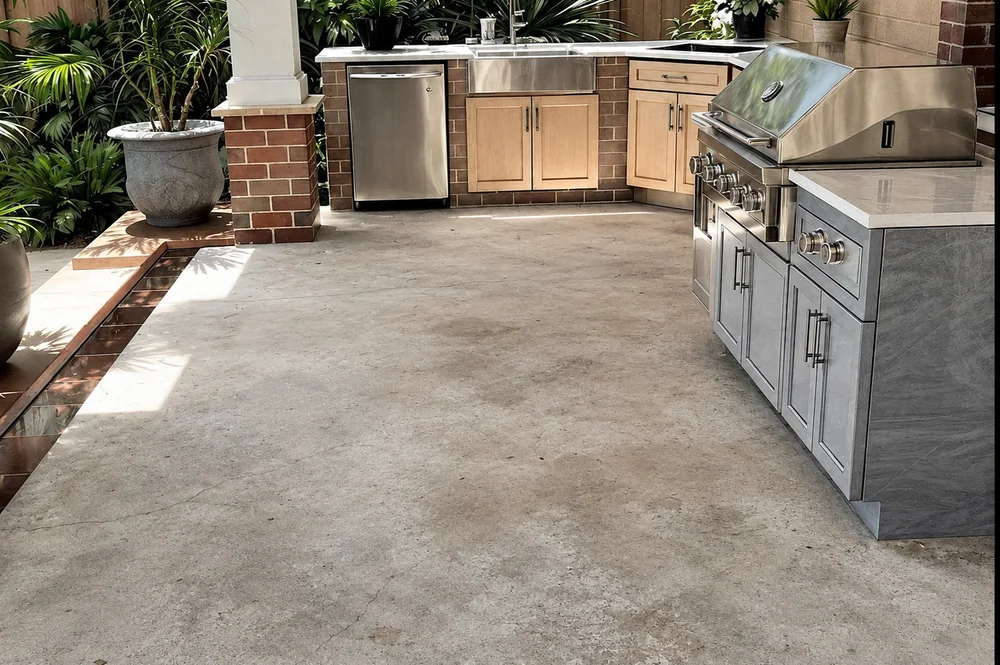

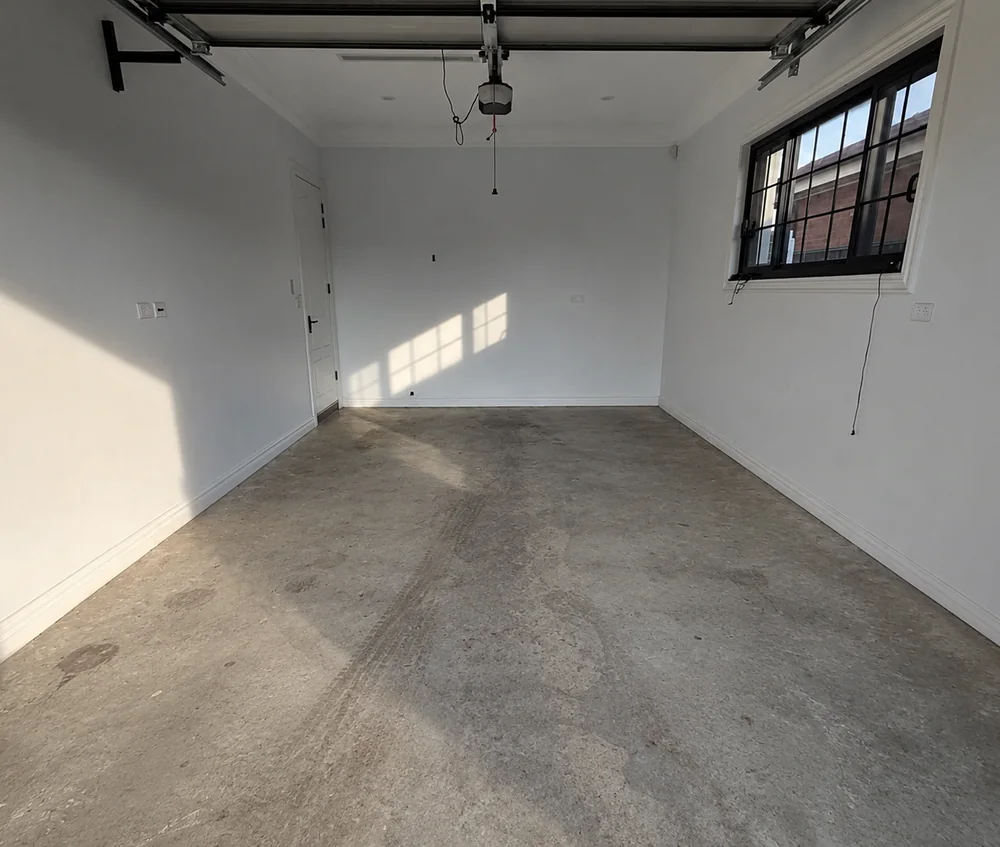

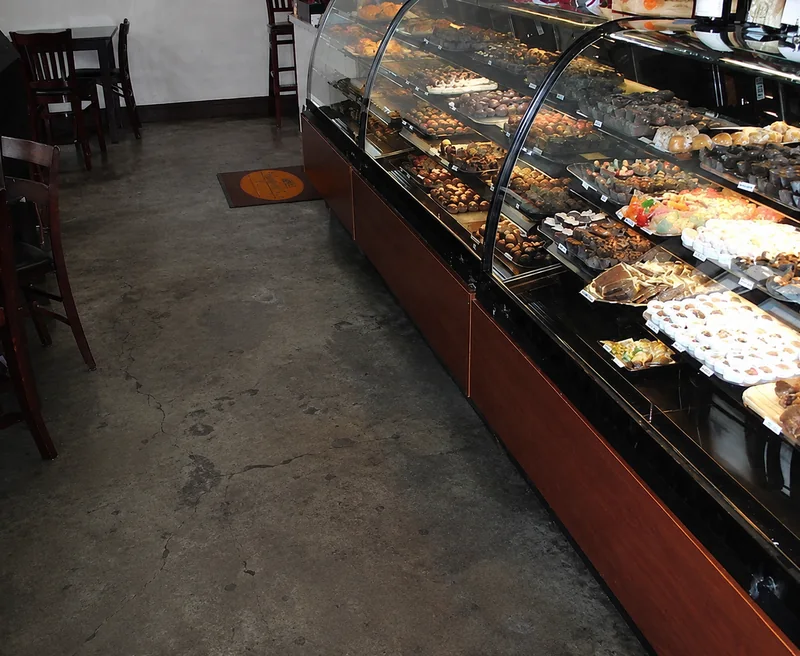

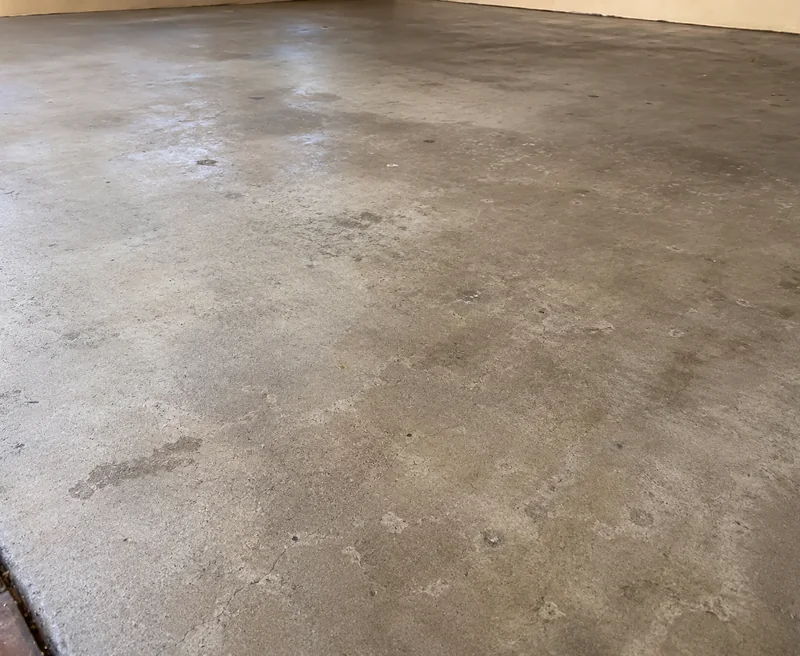

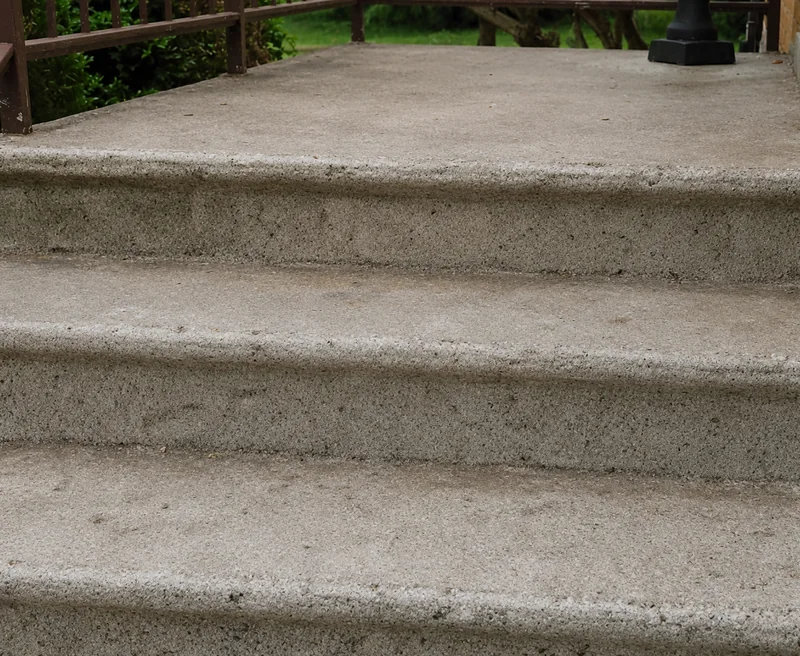
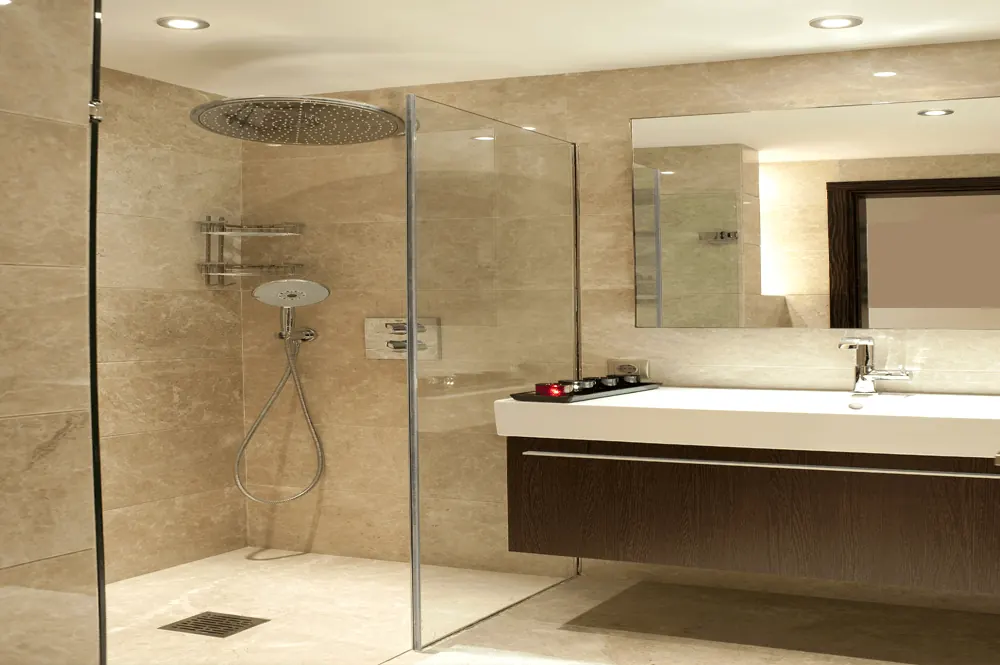
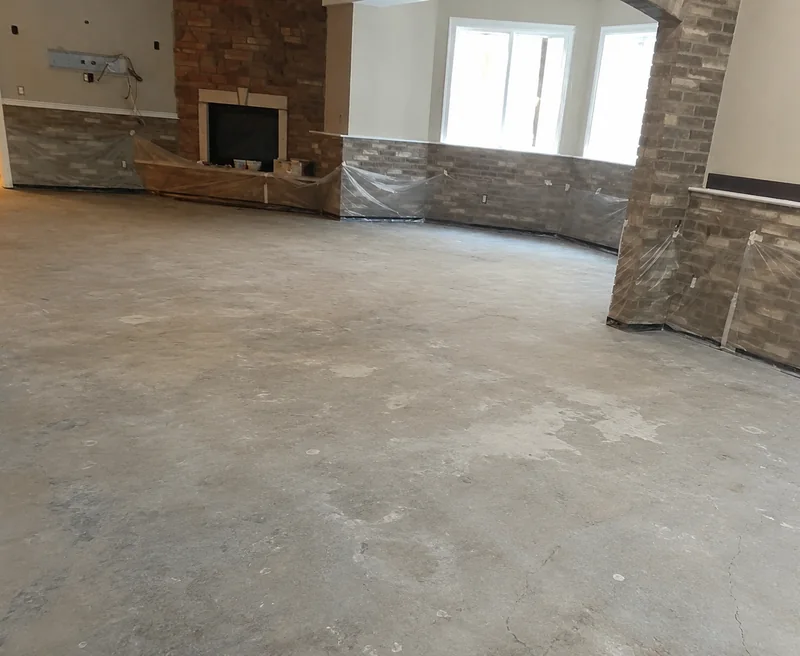

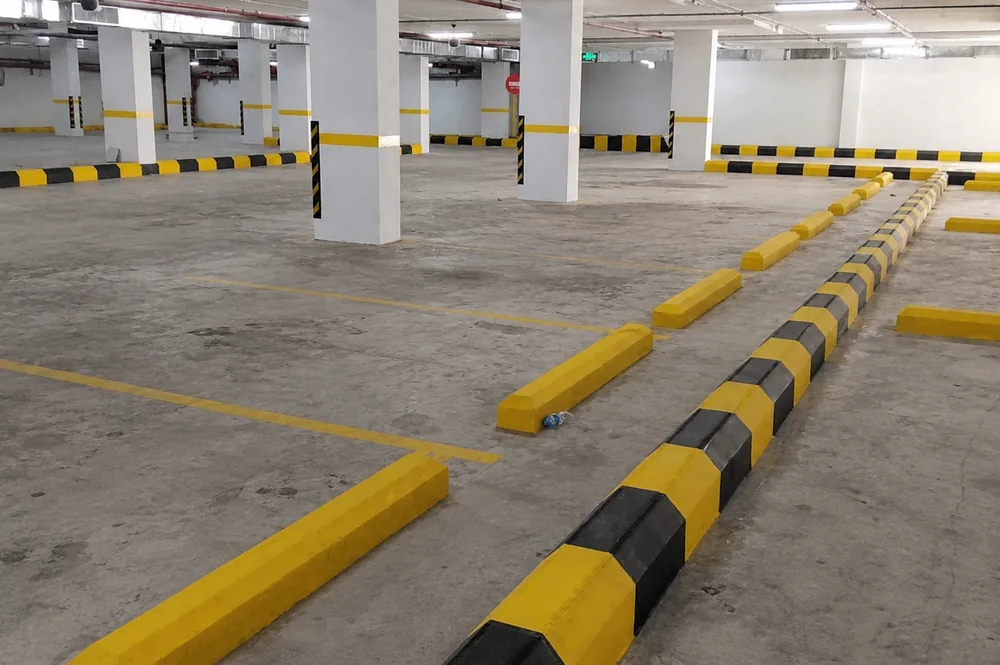

The specification emphasis is existing paint or sealer, adhesion, oil, cracks, surface weakness and the amount of removal required.
The service area covers Altona 3018, positioned about 14 km west of Melbourne’s centre within Melbourne’s Western Suburbs. In the inner-metropolitan band, established slabs, renovations and active homes or businesses make existing coatings and access important quote variables.
The closest surrounding service areas are Laverton, Newport and Williamstown, allowing nearby inspections to be grouped where scheduling permits.
| Postcode | 3018 |
|---|---|
| Melbourne position | Approximately 14 km west of the CBD |
| Regional group | Melbourne’s Western Suburbs |
| Primary scope | Surface preparation focus |
| Nearest linked areas | Laverton, Newport, Williamstown |
The local scope gives priority to surface preparation focus rather than forcing every floor into the same generic coating package.
Establish how much paint, sealer, adhesive, contamination or weak surface material must be removed before coating.
Review the full service scope →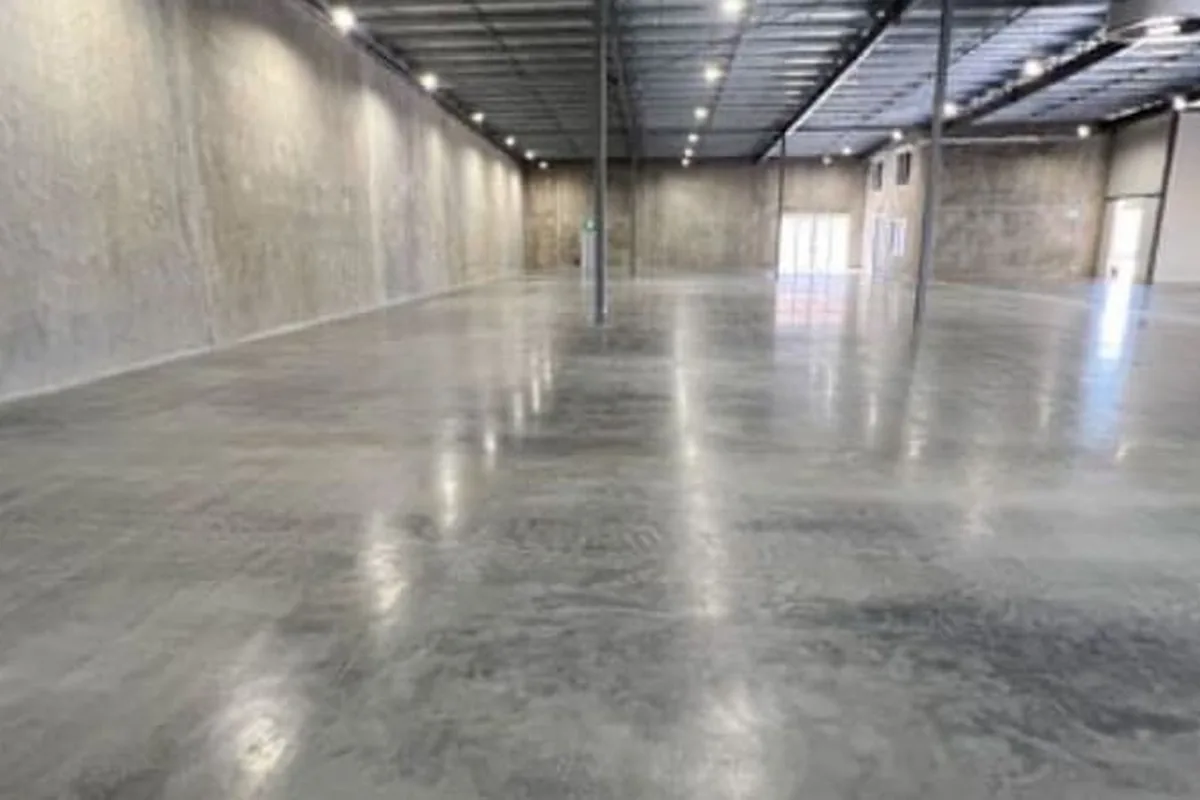
Identify why the existing coating or concrete failed before deciding between a local repair, maintenance coat or full removal.
Review the full service scope →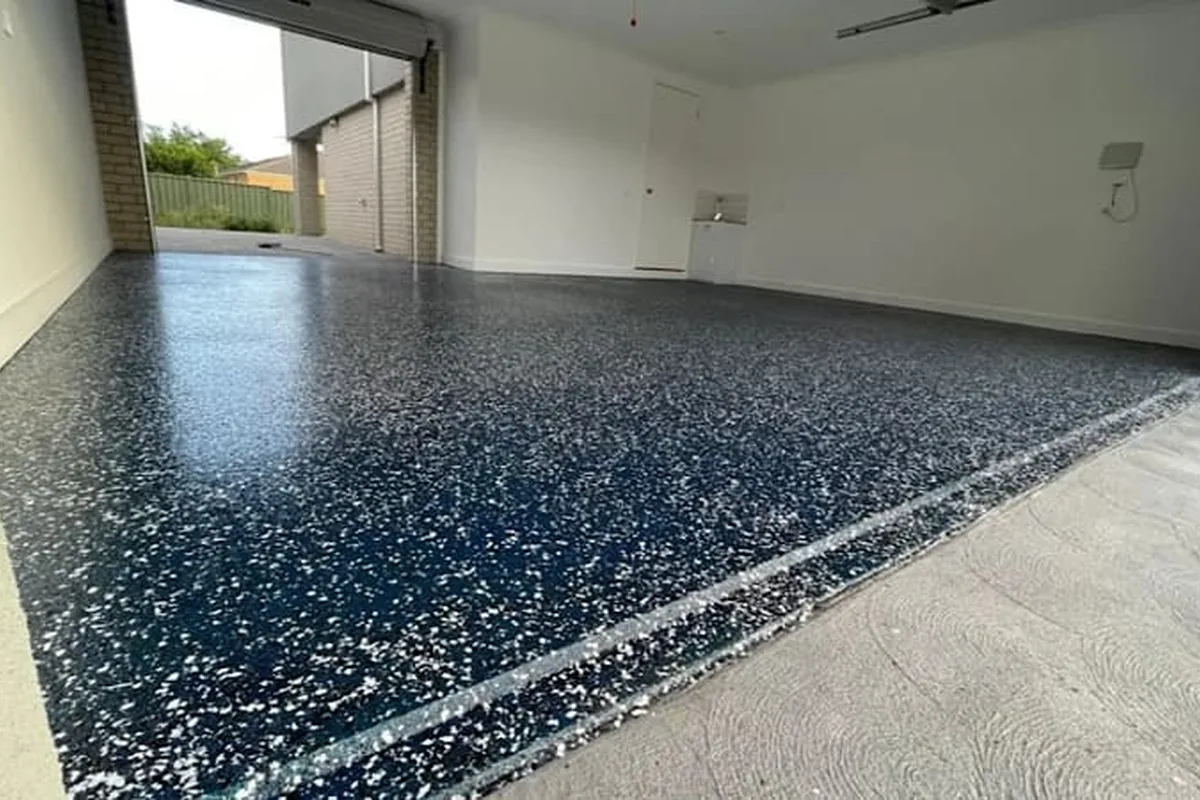
Compare flake and solid systems against tyre use, doorway light, storage and the desired cleaning routine.
Review the full service scope →These conditions are documented before the decorative finish is locked in because they can change both labour and material requirements.
Dark patches, efflorescence, damp edges or below-grade concrete can indicate moisture conditions that affect adhesion and coating choice.
Quote cue: Mention any history of dampness, flooding or water entry.
Preparation, coating stages and cure time need to fit the date when vehicles, staff, stock or equipment must return.
Quote cue: Provide the latest acceptable handover time, not only the preferred start date.
Paint, acrylic sealer, old epoxy or adhesive can change the grinding effort and may conceal weak adhesion beneath the visible surface.
Quote cue: Photograph peeling edges and identify any previous coating if known.
Static cracks, construction joints and moving defects require different treatment; a rigid coating cannot stop structural movement.
Quote cue: Send close-ups with a ruler or coin for scale.
The matrix converts surface preparation focus into four quote decisions: floor use, evidence required, preparation response and coating build.
| Application or inspection focus | Information required | Specification response |
|---|---|---|
| Painted garage | Unknown paint, peeling and tyre areas | Coating removal, concrete assessment and compatible rebuild |
| Oil-marked workshop | Embedded contamination and local damage | Decontamination assessment, deeper grinding and repair scope |
| Cracked slab | Crack pattern, joints and movement | Defect classification, repair limits and coating compatibility |
| Inspection priority: Moisture and vapour risk | Mention any history of dampness, flooding or water entry. | Confirm alongside shutdown and cure window before fixing the concrete grinding & preparation build |
The work programme must account for moisture and vapour risk, equipment access and the time needed to protect each coating stage.
Dark patches, efflorescence, damp edges or below-grade concrete can indicate moisture conditions that affect adhesion and coating choice. Paint, acrylic sealer, old epoxy or adhesive can change the grinding effort and may conceal weak adhesion beneath the visible surface.
The agreed sequence covers substrate verification, removal and repairs, mechanical profiling, cleaning, coating stages and protected cure. Pedestrian, storage, vehicle and operational handover times are stated separately where the system requires them.
The decision starts with the slab, existing coatings, moisture, traffic, cleaning, sunlight and shutdown window. The decorative finish is selected after those requirements are clear.
Send the suburb, approximate dimensions, wide photos, close-ups of cracks or contamination, the current surface, intended use and the date the area must return to service.
Texture can be introduced, but the level should suit wetness, contaminants, footwear and cleaning. More aggressive texture generally requires stronger cleaning.
A coating follows the substrate. Standard grinding is not the same as levelling, so hollows, high spots and damaged edges may need separate correction.
Sometimes, but colour, age, gloss and existing wear can make a patch visible. Widespread failure may be better handled by broader removal and recoating.
The distances below are calculated from the suburb coordinates in the location dataset and help organise nearby inspection runs; final travel depends on the project address.
View the full Melbourne’s Western Suburbs service region →
The map confirms the suburb reference only. Pricing is based on the actual address, access route, measurements, floor condition and inspection findings.